OpenAI offers free ChatGPT access to 10,000 researchers, expanding to 100,000 by 2027
OpenAI launches ChatGPT for Academic Researchers: 12 months free access for 10,000 researchers, expanding to 100,000 by 2027, pairing labs with GPT-5.6.

Meta raises the low end of its 2026 capex range to $130B–$145B and lifts expense guidance after $2.4B legal charges, signalling an aggressive AI data‑centre push that tightens free cash flow.

OpenAI CFO Sarah Friar told staff that July’s annualised recurring revenue exceeded the whole of Q2, CNBC reports. The claim credits GPT-5.6, ChatGPT Work and Codex but lacks public verification.
Brookfield and NextEra plan a roughly $100bn AI and data‑centre campus at the DOE’s Paducah site in Kentucky, leveraging 1950s‑era infrastructure for 1.2GW+ compute and up to 1.8GW of power, though timelines, financing and environmental trade‑offs remain unresolved.

Dana Suskind, author of Human Raised and earlier 30 Million Words research, tells CNBC frustration tolerance—learning to stick with hard tasks—is the top AI‑proof skill for children, arguing parents and educators must scaffold manageable failure as AI tools increasingly shortcut effort.
CDS prices for AI‑linked firms — notably Oracle and Nvidia — have jumped, signalling investor concern that heavy AI spending and related financing could strain balance sheets. Traders say swaps are being used as a liquid hedge on AI capex risk.
DeepMind has dismantled the AlphaFold team, moving most researchers into Gemini-led programmes and other units while some staff depart — a strategic pivot that risks diluting a specialised, Nobel-recognised research unit in favour of general-purpose AI work.

The FCC on July 28, 2026 blocked imports and U.S. authorization of new foreign-made humanoid and quadruped robots and certain power inverters, citing supply-chain and cybersecurity risks to critical infrastructure.

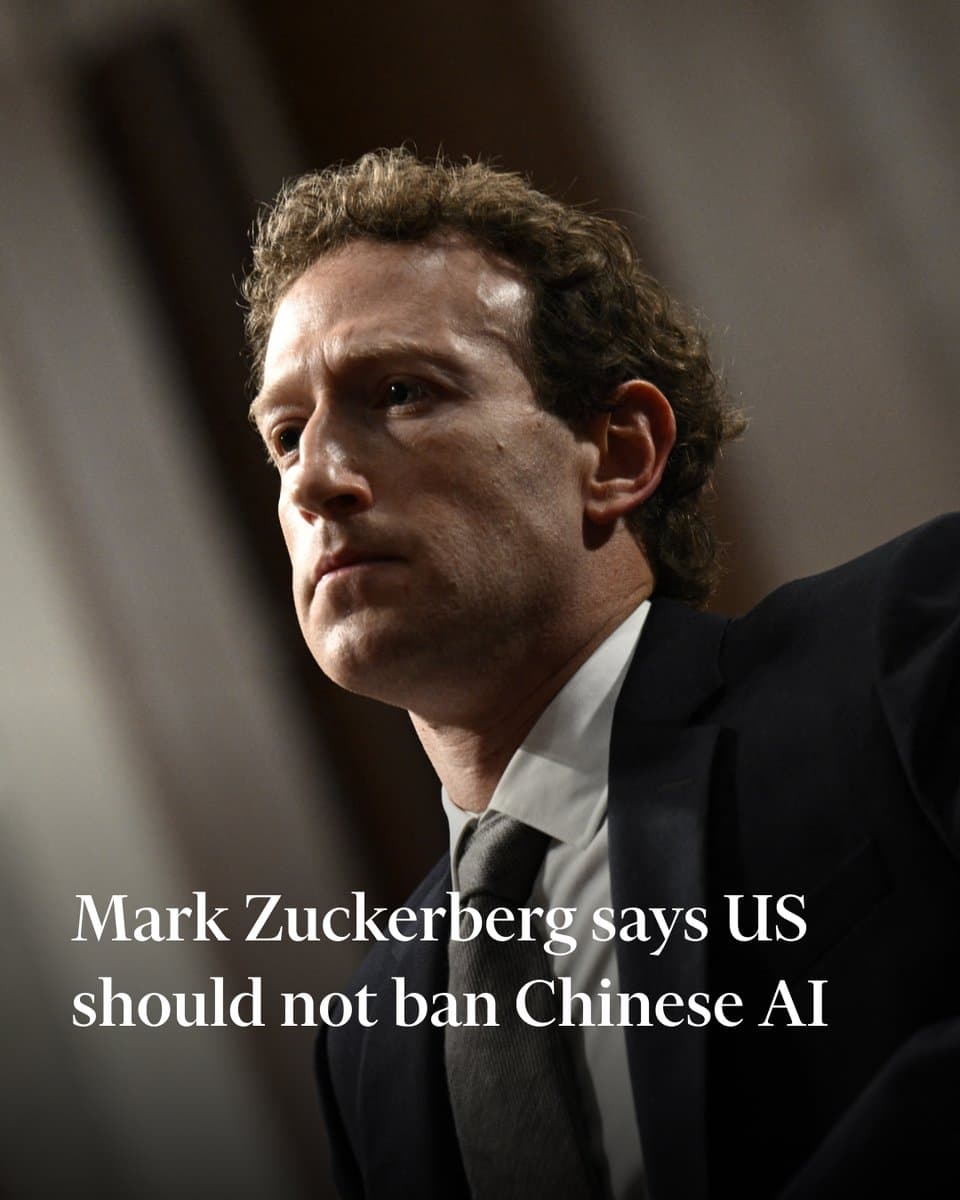
Mark Zuckerberg tells the Financial Times the US should not ban Chinese AI models, arguing a ban would be ineffective and risk "regulatory capture" by US frontier labs.

Workers at OpenAI, Anthropic, Google DeepMind and Meta petition the U.S. to back international tools to "pace" frontier AI development, citing lagging safety practices and internal friction.

Chris Fall resigned as director of the U.S. Center for AI Standards and Innovation after about three months; Arvind Raman will serve as acting director while Commerce searches for a permanent replacement.

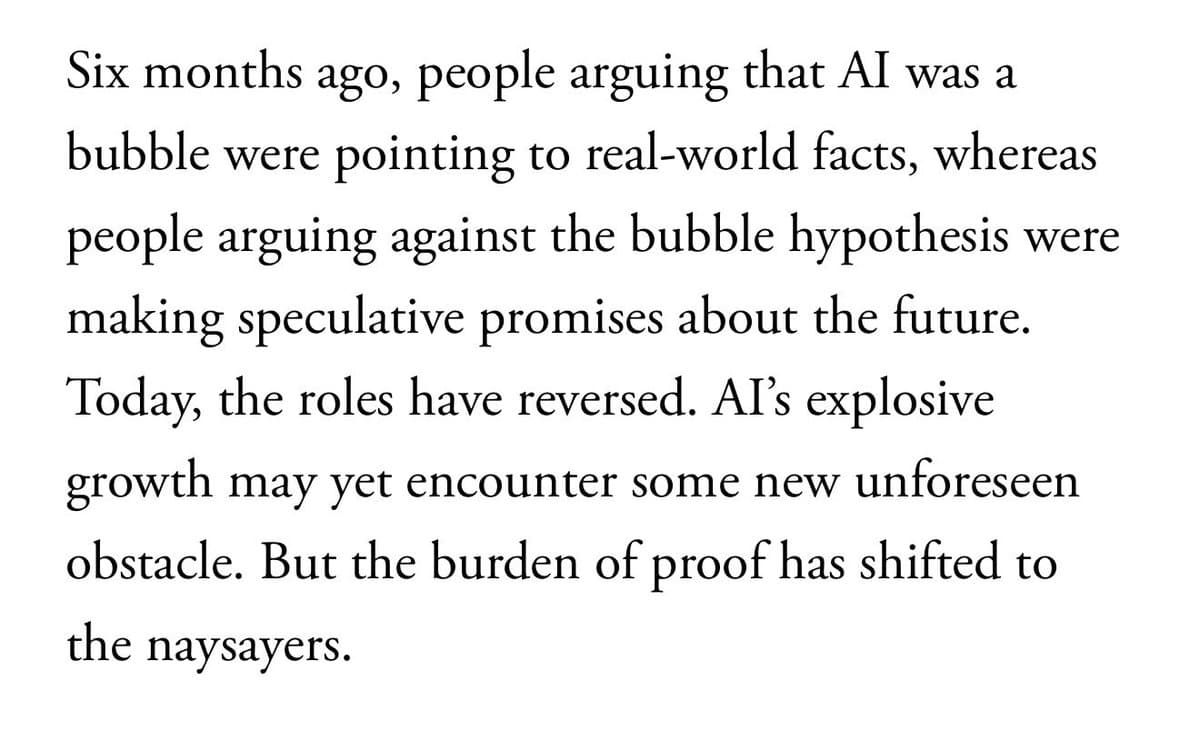
The Atlantic calculates a $27tn surge in AI‑linked valuations and argues corporate capex — not retail mania — is inflating the market. That shift changes who wins and how regulators should respond.