
900,000 AI Chat Users Compromised by Malicious Chrome Extensions
A widespread campaign exploiting Chrome extensions has compromised the AI conversations of nearly 900,000 users, exposing sensitive ChatGPT and DeepSeek interactions. Security researchers reveal how attackers infiltrated trusted browser tools to harvest private AI chat data.
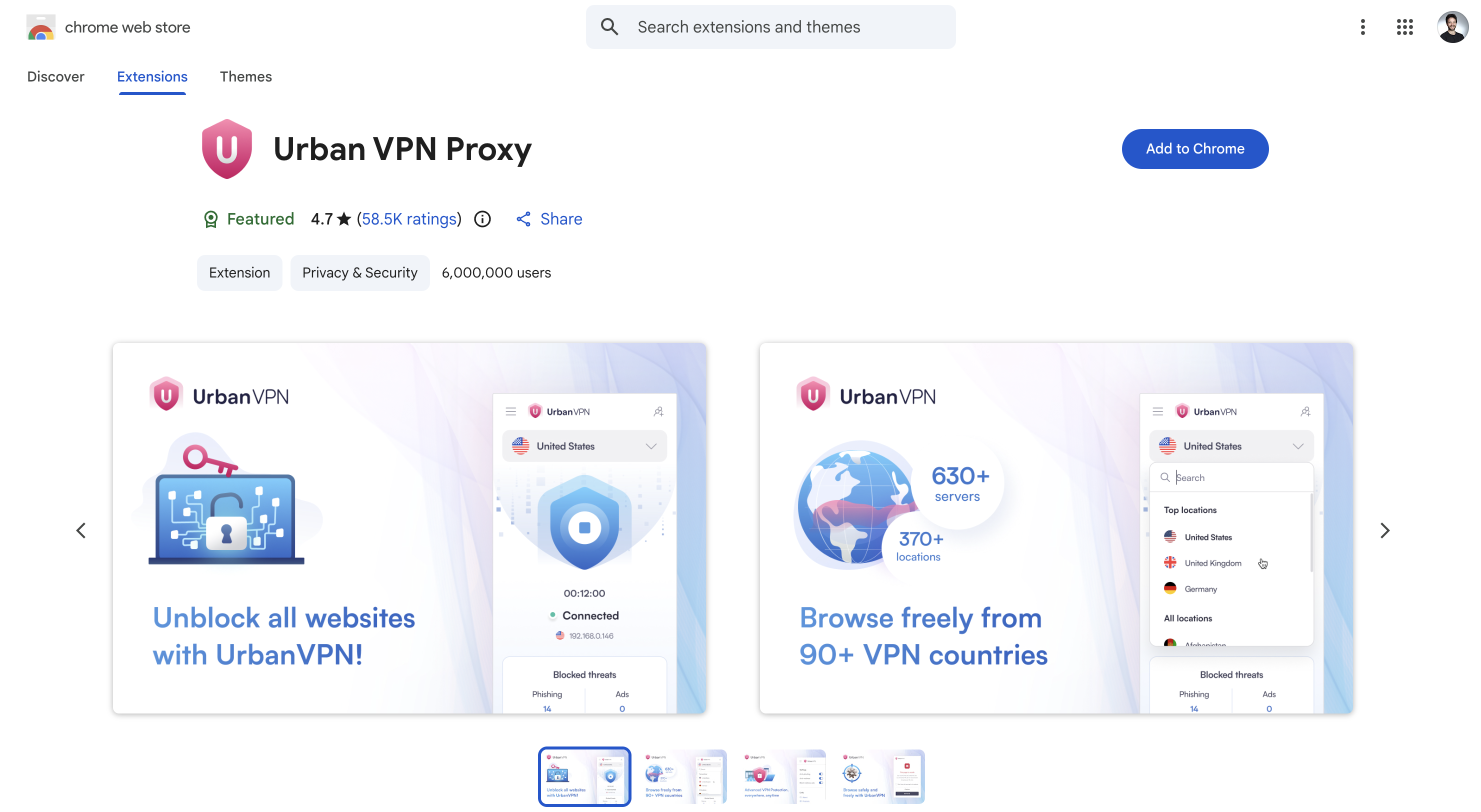
The Threat Landscape Shifts: Chrome Extensions Become Attack Vector
The security landscape just shifted. While enterprises focus on perimeter defenses and zero-trust architectures, a simpler attack surface has proven devastatingly effective: the humble Chrome extension. According to security researchers, malicious extensions have successfully compromised approximately 900,000 users' AI chat sessions, exposing conversations with ChatGPT, DeepSeek, and other AI platforms. This represents a critical blind spot in how users think about browser security.
The campaign highlights a fundamental tension in the modern web ecosystem: convenience versus security. Extensions promise productivity gains—proxy management, ad blocking, enhanced browsing—but they operate with broad permissions that few users scrutinize. Attackers have weaponized this trust gap at scale.
How the Attack Works
The compromised extensions operated under the guise of legitimate tools, gaining access to user browsing sessions and clipboard data. Once installed, they intercepted traffic between users and AI chat platforms, capturing entire conversation histories.
Key attack mechanics:
- Extensions requested broad permissions covering all websites
- Malicious code intercepted API calls to AI services
- Stolen conversations were exfiltrated to attacker-controlled servers
- Users had no visible indication of the compromise
The sophistication of this approach mirrors broader trends in browser-based threats. Researchers have documented how novel crypters are now circumventing traditional defenses like Windows Defender, suggesting attackers are investing in advanced evasion techniques that extend beyond simple malware signatures.
Why AI Chat Data Matters
The targeting of AI conversations is not incidental—it's strategic. Users often paste sensitive information into AI platforms: code snippets containing API keys, business strategies, personal health details, and proprietary research. Unlike traditional password theft, compromised AI conversations provide attackers with context-rich intelligence that can be weaponized for corporate espionage, credential harvesting, or social engineering.
The 900,000 figure represents a significant portion of the Chrome extension user base, suggesting the malicious tools achieved mainstream distribution before detection.
The Broader Security Implications
This incident exposes critical gaps in how browser security operates:
- Extension vetting remains weak: Chrome's Web Store review process has historically struggled to catch sophisticated malware
- User awareness is minimal: Most users cannot identify which extensions pose risks
- Permissions are too broad: The current permission model grants extensions excessive access
As privacy regulations continue to evolve—with new laws emerging in Kentucky, Indiana, and Rhode Island—the question of who bears responsibility for extension-based breaches becomes increasingly complex. Are platform operators liable? Extension developers? Users themselves?
What Users Should Do Now
- Audit installed extensions: Remove any tools you don't actively use
- Check permissions: Review what each extension can access in Chrome settings
- Monitor AI platforms: Check for suspicious activity in ChatGPT, DeepSeek, and similar accounts
- Use official tools only: Prefer built-in browser features over third-party extensions when possible
Looking Ahead
The extension ecosystem remains a critical vulnerability vector. As identity frameworks like OpenID continue to evolve, better authentication mechanisms may eventually reduce the appeal of browser-based interception attacks. Until then, users operating in the AI space should treat their browser extensions with the same scrutiny they apply to password managers and VPN services.
The 900,000 compromised users represent a watershed moment: proof that the convenience of browser extensions comes with a security tax that most users have yet to fully appreciate.
Tags
Sources
Enjoyed this article?
Get the top AI stories delivered to your inbox every week. No spam, just the news that matters.
Join our weekly newsletter. Unsubscribe anytime.