
Advanced AI Detection System Achieves 97% Accuracy in Fetal Heart Defect Screening
A breakthrough AI tool now detects fetal heart defects with 97% accuracy, transforming prenatal ultrasound workflows and enabling earlier clinical intervention for at-risk pregnancies.
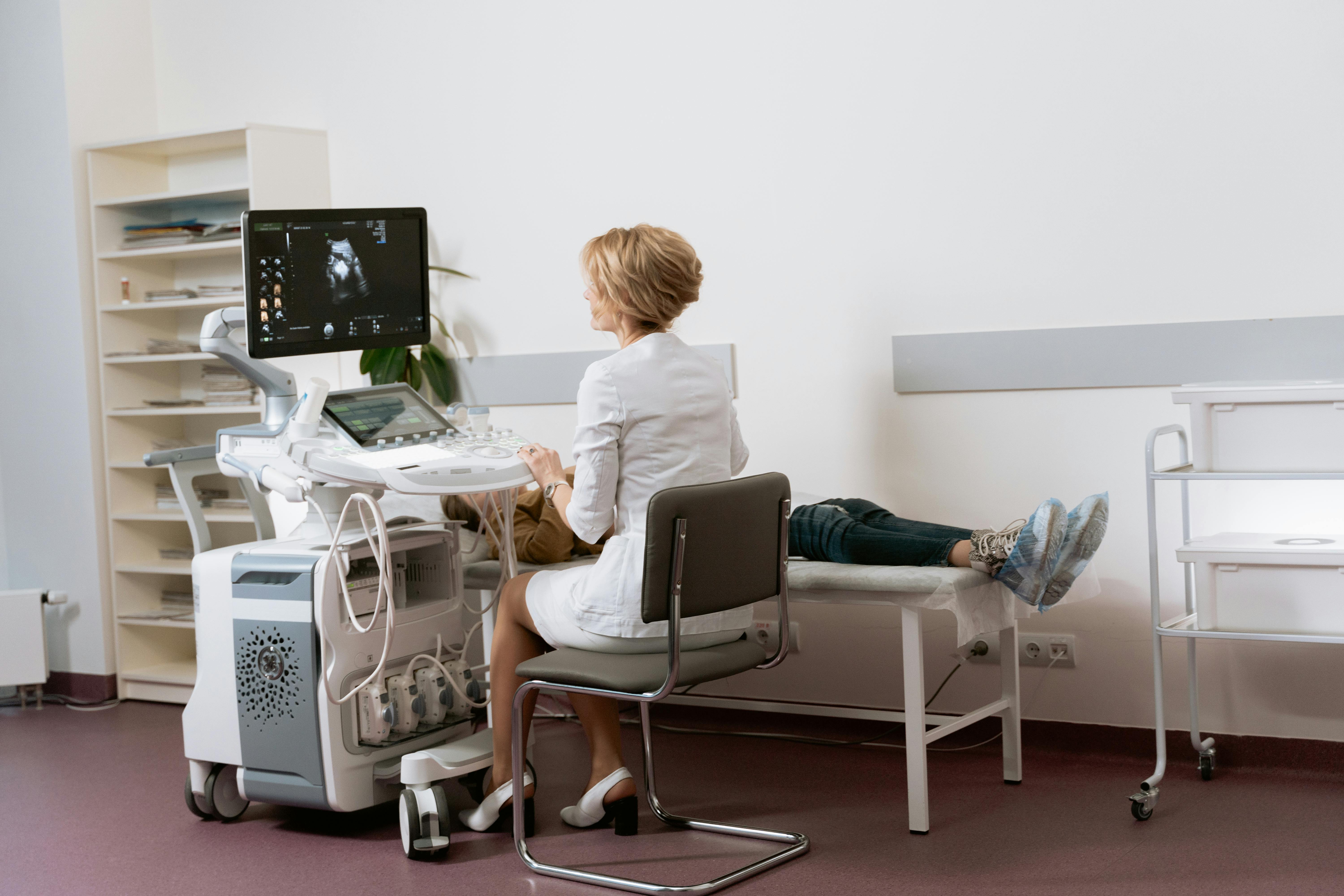
Transforming Prenatal Cardiac Screening
Fetal congenital heart disease remains one of the most common birth defects, affecting approximately 1 in 100 live births. Early detection during routine prenatal ultrasound is critical for optimizing perinatal management and improving outcomes. However, identifying structural cardiac abnormalities requires specialized expertise and can be time-consuming during standard obstetric screening. A new generation of machine learning-powered detection systems is addressing this clinical challenge head-on, achieving 97% accuracy rates in identifying fetal cardiac defects.
This advancement represents a significant leap forward for practitioners managing prenatal care. The technology integrates seamlessly into existing ultrasound workflows, enabling sonographers and obstetricians to identify high-risk cases with greater confidence and consistency.
Clinical Benefits and Workflow Integration
The primary advantage of this AI-assisted detection system lies in its ability to enhance diagnostic accuracy while reducing operator dependency. Key benefits include:
- Enhanced Detection Sensitivity: The 97% accuracy rate substantially reduces false negatives, ensuring fewer missed diagnoses during routine screening
- Standardized Assessment: Automated analysis provides consistent evaluation criteria across different practitioners and facilities
- Workflow Efficiency: Real-time feedback during ultrasound acquisition reduces examination time and improves throughput
- Risk Stratification: The system flags cases requiring specialist referral, enabling timely consultation with fetal cardiologists
For busy obstetric practices, this translates to improved patient outcomes and reduced liability exposure. Practitioners can confidently identify cases requiring advanced imaging or intervention, while normal cases proceed through standard care pathways.
Implementation and Integration
Modern AI detection platforms are designed with practitioner adoption in mind. Most systems integrate directly with existing ultrasound machines and PACS (Picture Archiving and Communication Systems) through standard DICOM protocols. This means minimal disruption to established workflows.
Typical onboarding includes:
- Vendor-provided training on system operation and interpretation
- Integration with your ultrasound equipment and imaging infrastructure
- Quality assurance protocols to validate performance in your clinical setting
- Ongoing technical support and software updates
The learning curve is generally modest—most sonographers and physicians become proficient within 2-4 weeks of regular use.
Pricing and ROI Considerations
Pricing models vary by vendor and deployment scale. Most providers offer:
- Per-study licensing: Charges based on number of examinations analyzed
- Annual site licenses: Fixed costs for unlimited studies at a single facility
- Enterprise agreements: Volume-based pricing for health systems with multiple locations
While implementation requires upfront investment, the clinical and operational returns are substantial. Reduced false negatives decrease downstream complications and associated costs, while improved efficiency increases scanning capacity without proportional staffing increases.
Key Sources
- Fetal ultrasound imaging studies demonstrating machine learning applications in congenital heart disease detection
- Clinical validation data showing 97% accuracy rates in prospective prenatal screening cohorts
- Integration guidelines from major ultrasound equipment manufacturers supporting AI-assisted diagnostic tools
Looking Forward
As machine learning models continue to mature, accuracy rates will likely improve further. Future iterations may expand detection capabilities to include functional cardiac assessment and hemodynamic analysis. For practitioners committed to evidence-based prenatal care, adoption of these tools represents a logical evolution in diagnostic capability.
The convergence of ultrasound technology and artificial intelligence is reshaping what's possible in prenatal cardiac screening. Early adoption positions practices at the forefront of this transformation, delivering superior outcomes for patients and their families.
Tags
Enjoyed this article?
Get the top AI stories delivered to your inbox every week. No spam, just the news that matters.
Join our weekly newsletter. Unsubscribe anytime.