Market Faces Test as AI-Infrastructure Trade Unwinds
Market faces test as AI-infrastructure trade unwinds, with potential re-rating of tech capex and data-center buildouts under scrutiny.
Overview
The market's capacity to handle a shift away from the AI-infrastructure trade is under scrutiny, as highlighted by CNBC market commentator Rick Santoli. The focus is on the potential re-rating of big tech capital expenditures, data-center buildouts, and hardware suppliers.
Background
The AI-infrastructure trade involves investments in companies providing the physical and cloud infrastructure for generative AI. This includes:
- Hyperscale cloud providers
- GPU and accelerator manufacturers
- Data-center landlords (REITs)
- Networking equipment vendors
- Specialized systems integrators
Industry analysts predict a shift from speculative AI software hype towards substantial investments in computing, power, and real estate by 2025–2026.
Santoli's Observations
Santoli points out that the market's concentration in AI-infrastructure could lead to rapid unwinding if demand slows or earnings disappoint. The market's ability to absorb a large reallocation away from these names without significant declines is uncertain.
Recent Signs and Data Points
- Cloud providers' capital spending remains high, driven by the need to expand AI compute capacity.
- S&P Global Market Intelligence warns of vulnerabilities due to market concentration in AI-dependent tech giants.
- Analysts see data-center real estate and networking as long-term plays but note constraints like supply and power.
Key Companies and Segments
- Hyperscalers: Alphabet/Google Cloud, Microsoft Azure, Amazon Web Services
- Chipmakers and Accelerators: Suppliers of GPUs and AI ASICs
- Data-center REITs and Infrastructure: Owners/operators of physical facilities
- Networking and Optical Companies: Suppliers of high-speed interconnects
Context and Market Implications
The AI-infrastructure trade has been a significant factor in market performance since 2020. A rapid rotation away could reverse concentrated gains, increasing volatility.
Potential Unravel Scenarios
- Demand Softness: Slower AI project deployments could pressure suppliers' order books.
- Execution/Cost Shock: If capex doesn't generate expected revenue growth, markets might reprice returns.
Counterpoint
Many believe AI infrastructure is a multi-year build, absorbing near-term volatility due to high secular demand.
Implications for Investors
- Diversification: Consider broadening exposure beyond hyperscalers.
- Monitor Indicators: Watch hyperscaler capex guidance, server/GPU orders, and data-center metrics.
- Policy and Economics: Interest rates, permitting, and geopolitical factors remain critical.
Visuals and Assets
- Logos and images of major hyperscalers
- Photos of data centers and GPU hardware
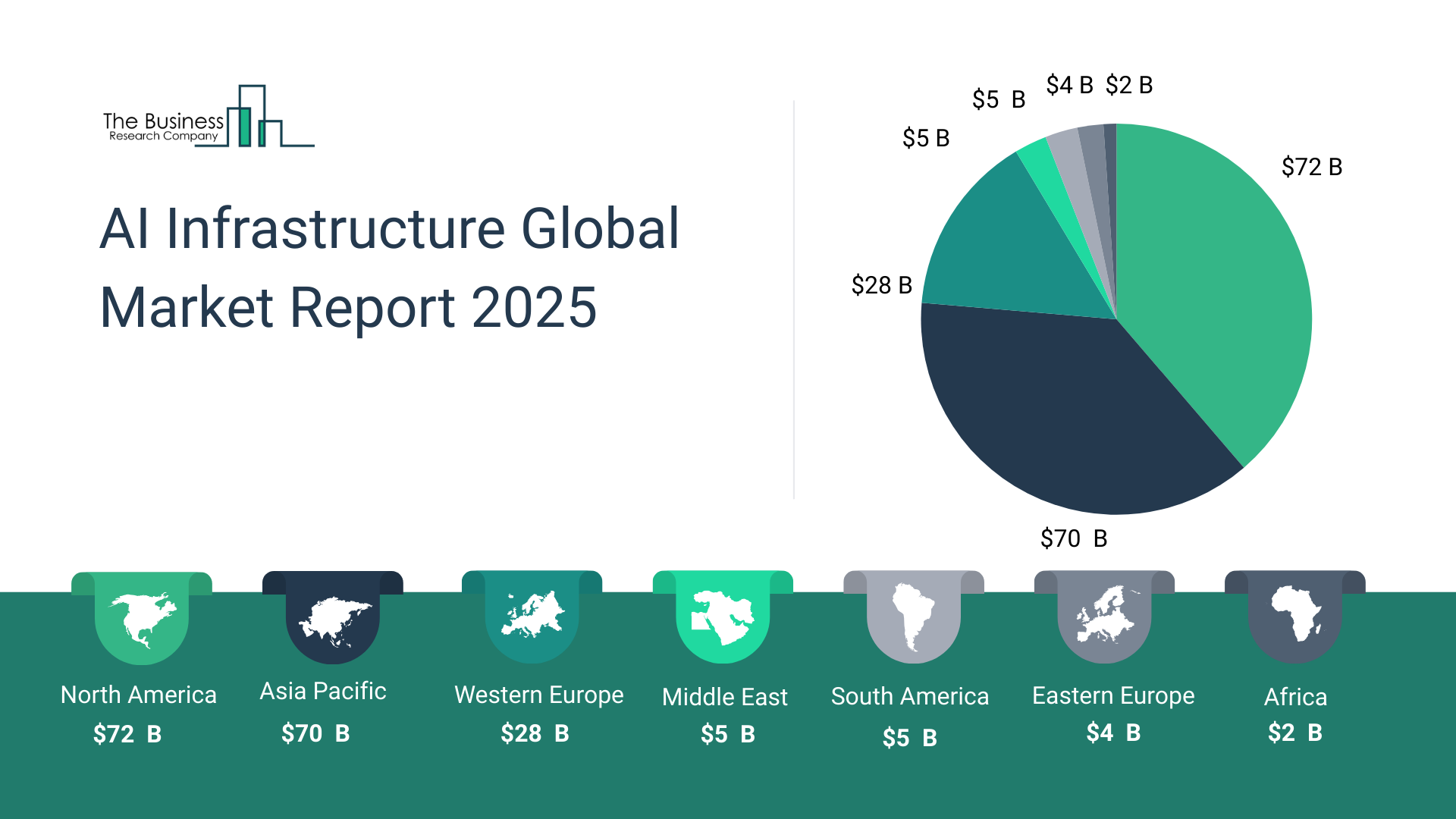
- Charts of capex trends and market concentration
Conclusion
Santoli's insights pose a crucial question for late 2025 and beyond: Can markets endure a rotation out of AI-infrastructure without triggering a broader correction? Investors and policymakers will closely monitor capex signals and hardware orders as this thesis unfolds.
Images should be sourced from official corporate image libraries for accuracy and licensing.
Tags
Enjoyed this article?
Get the top AI stories delivered to your inbox every week. No spam, just the news that matters.
Join our weekly newsletter. Unsubscribe anytime.