
SpaceX agrees to remove 69 temporary turbines at Colossus site by July 2027
SpaceX agrees to remove 69 temporary gas turbines at its Colossus data centre between August 2026 and July 2027, tying the phaseout to a permitted 1.2 GW plant — but disagreement over permit rules, turbine counts and health impacts persists.
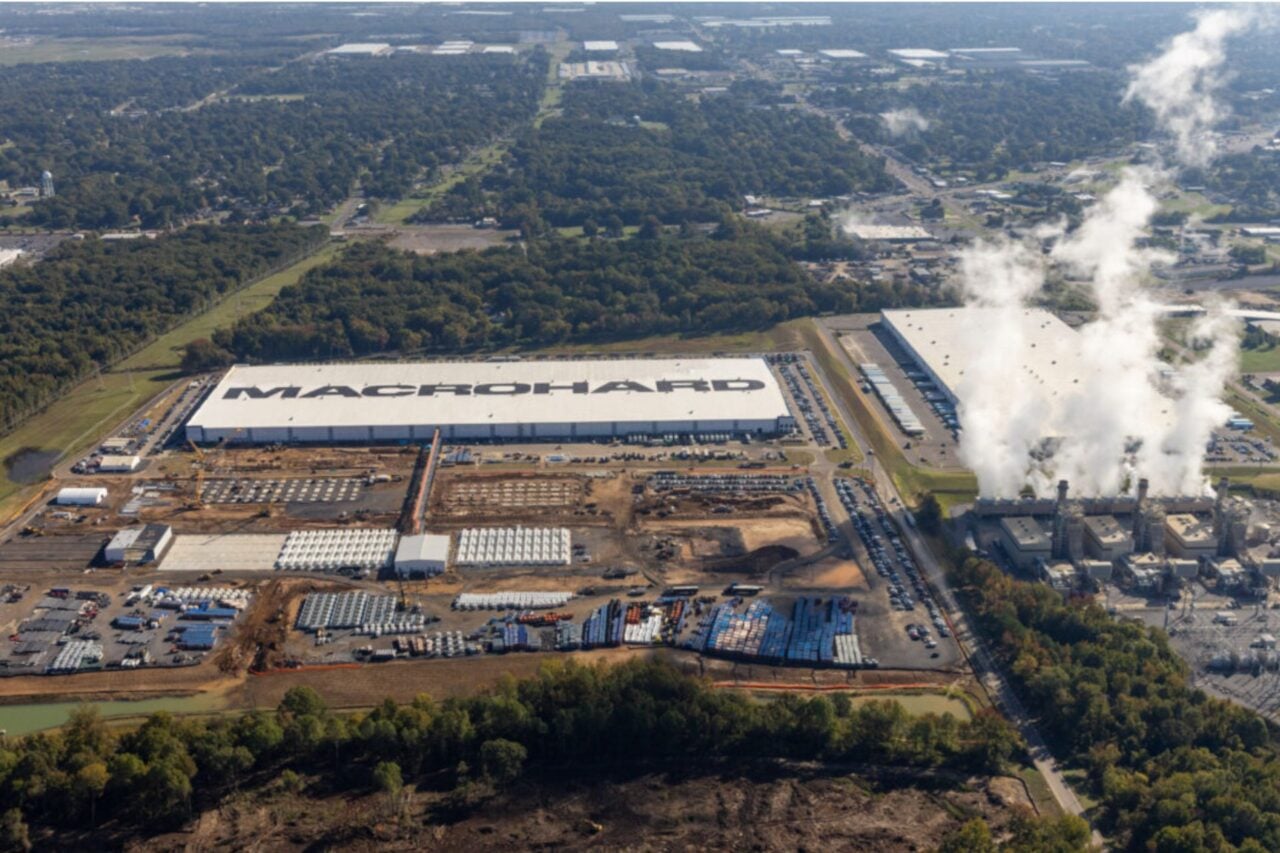
SpaceX has agreed with the Mississippi Department of Environmental Quality to phase out temporary gas turbines at its Colossus AI data centre in Southaven, Mississippi, beginning as early as August 2026 and finishing no later than July 2027, according to reporting and a company statement Gizmodo. The deal covers 69 mobile turbines that have been powering the facility while a permanent plant is built.
The timetable matters because it ties the removal of the portable units to the completion of a permitted, permanent 1.2 gigawatt natural-gas power plant SpaceX says is under construction. The company told reporters that the long-term facility will consist of 41 permanent turbines authorised under a Clean Air Act permit issued in March 2026 Gizmodo. That framing frames the mobile units as a stopgap — a point that critics dispute.
Dispute over numbers and permits: 59 vs. 69 turbines
Reporting last month by Reuters said 59 natural-gas turbines had been installed and were operating near predominantly Black communities with elevated lung-disease burdens. The Gizmodo account and the Mississippi agreement reference 69 mobile units. That discrepancy has not been reconciled publicly; permit filings and the removal agreement itself will be the authoritative sources on the exact fleet size.
The second regulatory tension is over permitting. Mississippi regulators maintained that portable or temporary turbines do not require state air permits, while the Environmental Protection Agency told Reuters in January 2026 that temporary turbines exceeding emissions thresholds must obtain federal permits Reuters. Environmental groups and civil-rights organisations have argued the units created unlawful pollution burdens long before the permanent plant arrives.
Health and legal pressure that likely forced the timetable
The removal schedule follows intense scrutiny from journalists, lawyers and lawmakers. Environmental groups and the NAACP filed suit to block what they call illegal, high-emitting turbine use, and members of Congress have publicly criticised the project. CNBC reports Rep. Frank Pallone accused SpaceX and Elon Musk of a “disregard for the health and well-being of local communities” and called the setup “a massive health risk.” Those public and legal pressures help explain why SpaceX agreed to concrete removal dates.
SpaceX’s statement, quoted in the Gizmodo report, says construction of the 1.2 GW plant and the Clean Air Act permit granted in March 2026 address the pollution concerns by replacing temporary capacity with a permitted facility Gizmodo. Skeptics note, however, that building a larger permanent gas-fired plant continues reliance on fossil-fuel combustion rather than a pivot to lower-emission alternatives.
The EPA’s position and pending litigation suggest removal of the mobiles may have been compelled as much by regulatory risk as by engineering timelines. An EPA statement in January undercut claims that temporariness exempts operators from permitting when emissions cross statutory thresholds Reuters. Environmental lawyers say that precedent could make other data-centre operators think twice about resorting to unpermitted mobile turbines.
SpaceX and xAI have defended their approach as necessary to bring the Colossus complex online quickly for AI training workloads; the company argues the permanent 41-turbine plant will be the long-term solution Gizmodo. Critics, including community health advocates, say that does not excuse months or years of elevated local emissions and that tighter oversight is the only reliable protection.
Looking ahead, the next concrete milestones to watch are whether removal actually begins in August 2026 and whether the 1.2 GW plant receives required operational approvals. The progress of the NAACP and environmental groups’ lawsuits, plus any follow-up action from the EPA, will determine if the removal timeline holds or if further enforcement and scientific monitoring reshape the project’s course.
Tags
Sources
Enjoyed this article?
Get the top AI stories delivered to your inbox every week. No spam, just the news that matters.
Join our weekly newsletter. Unsubscribe anytime.