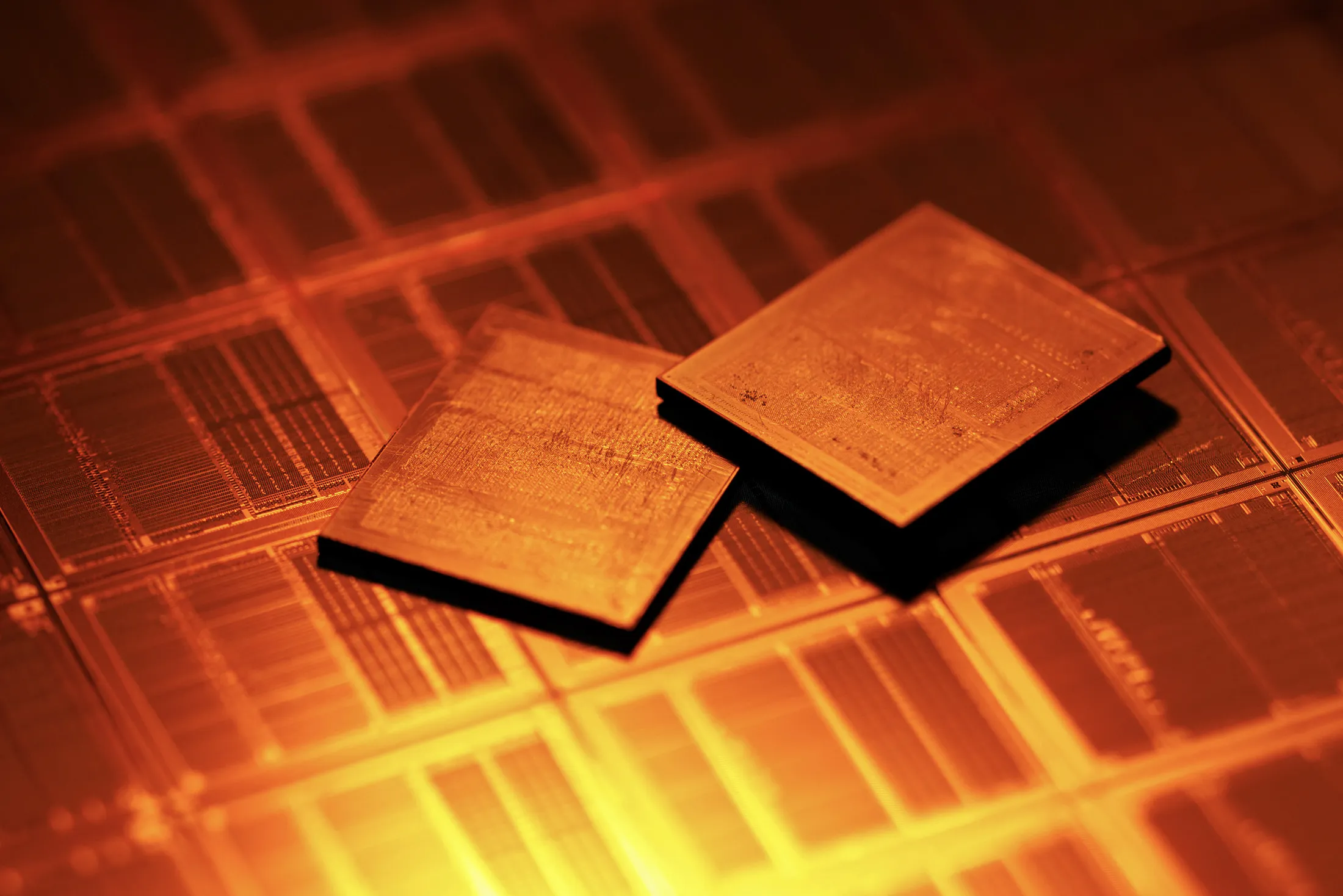
Trump Approves Nvidia H200 Chip Exports to China
Trump approves Nvidia H200 chip exports to China, reversing some Biden-era restrictions, sparking debate over AI dominance and national security.
Trump Approves Nvidia H200 Chip Exports to China
President Donald Trump has approved the export of advanced H200 AI chips by Nvidia to select Chinese customers, including ByteDance and Alibaba, under strict U.S. oversight. This decision, announced on Monday via Truth Social, partially reverses previous Biden-era restrictions and promises the U.S. a 25% revenue share. The move has sparked debate over national security and the global AI race.
Trump described the decision as beneficial for American jobs and manufacturing, stating he informed Chinese President Xi Jinping directly. "President Xi responded positively!" Trump posted, emphasizing that shipments will be monitored and approved by the Department of Commerce. Nvidia praised the decision as a "thoughtful balance" that supports high-paying U.S. jobs, while critics warn it could give China a technological edge in AI.
Policy Shift and Export Details
This approval marks a significant shift from the Biden administration's 2022 export controls, which blocked sales of Nvidia's top-tier chips like the A100 and H100 to curb China's military AI advancements. Trump's policy targets the H200, an upgraded GPU optimized for AI workloads such as large language models, data centers, and machine learning.
- ByteDance and Alibaba are reportedly eager to place large orders, viewing the H200 as a workaround to U.S. bans on newer chips.
- Exports will occur under "managed conditions," with Commerce Department vetting to exclude military end-users.
- Trump highlighted economic benefits, linking the policy to a 25% U.S. share from sales.
Nvidia's CEO Jensen Huang had previously lobbied for eased restrictions, calling China a "significant source of revenue." The company stated: "We applaud President Trump's decision to allow America's chip industry to compete." This comes as Nvidia dominates the AI chip market, with H200 chips featuring enhanced memory for handling massive AI models.

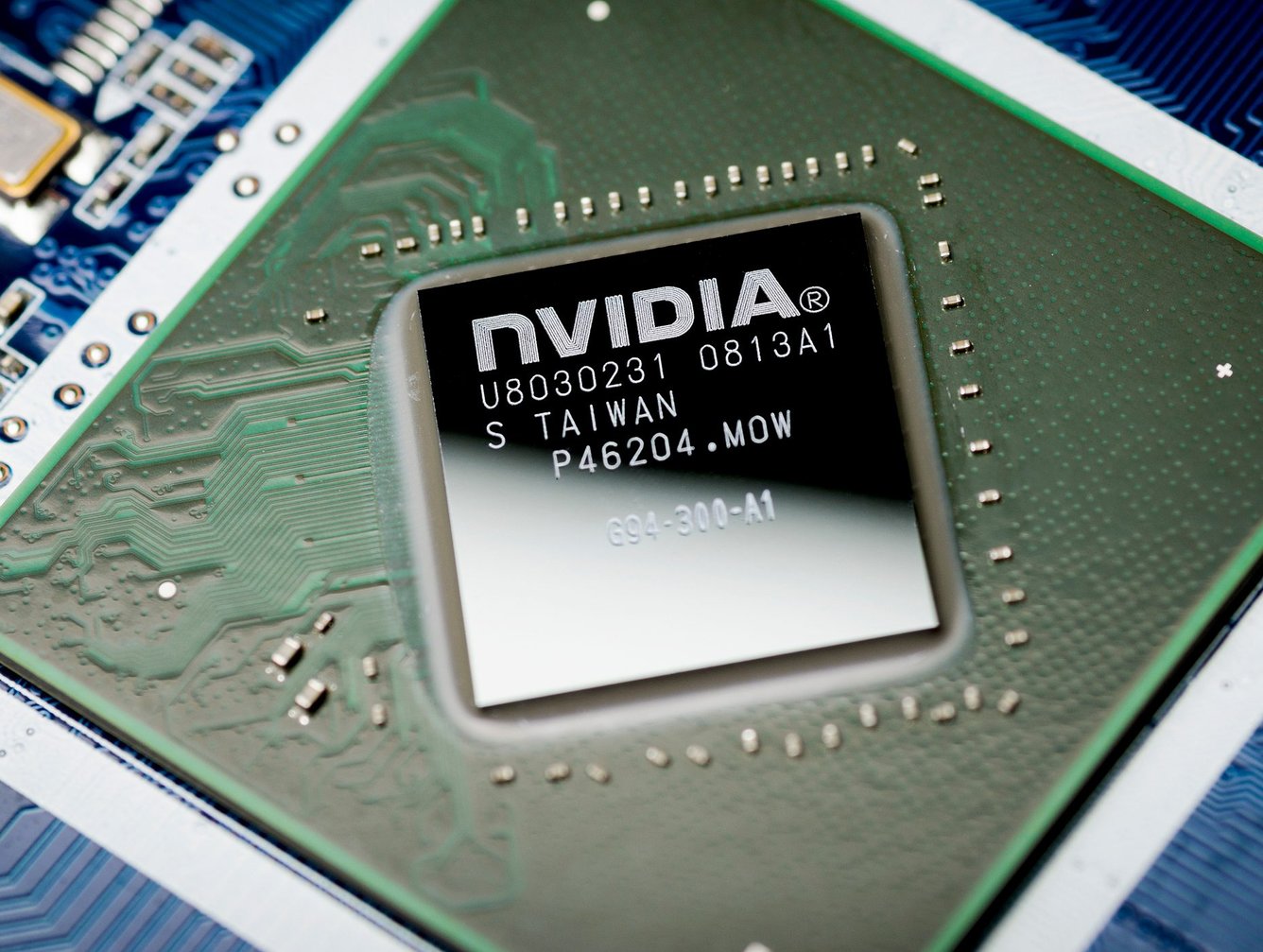
Official Nvidia H200 GPU module, showcasing high-bandwidth memory critical for AI training workloads.
Criticism and National Security Concerns
Opponents, including Senator Elizabeth Warren, criticize the move as a "sell-out" of U.S. security. Warren argued it undermines efforts to prevent China from leveraging American tech for military gains. A New York Times opinion piece claims Trump is "helping China realize its dream of AI dominance."
- Critics fear reverse-engineering, with China potentially adapting H200 tech for forbidden uses.
- Proponents argue that bans hurt U.S. firms: Nvidia lost billions in China revenue under Biden rules.

President Trump with Nvidia CEO Jensen Huang, highlighting U.S.-China tech tensions (file photo).
Economic Stakes and Global AI Landscape
The U.S. holds about 90% of the advanced AI chip market, but China commands 40% of global semiconductor manufacturing capacity. Exports could inject billions into Nvidia, which saw China sales plummet 20% post-2022 bans. Trump's 25% share claim suggests royalties or tariffs, boosting federal coffers.
China's response remains muted beyond Xi's reported positivity. State media has pushed "AI self-reliance," with Huawei's Ascend chips gaining traction despite U.S. sanctions. ByteDance and Alibaba see H200s as vital for cloud AI services competing with OpenAI and Google.

Chart illustrating U.S. dominance in AI chips versus China's manufacturing edge (Statista visualization).
Broader Implications for Tech Rivalry
This decision escalates the U.S.-China AI arms race, where chips fuel everything from generative AI to hypersonic missiles. Supporters argue controlled exports maintain U.S. leverage, forcing China to buy American while funding domestic fabs via the CHIPS Act.
Risks loom large: Critics fear reverse-engineering, with China potentially adapting H200 tech for forbidden uses. It also signals Trump's "America First" trade ethos—pragmatic deals over blanket bans—potentially previewing tariffs on other sectors.
Industry watchers predict short-term Nvidia stock gains but long-term uncertainty. As one analyst noted, "China doesn't need H200s forever; they're sprinting toward independence." The policy tests whether economic interdependence can coexist with security hawks, reshaping global AI power dynamics.
In context, this fits Trump's pattern of deal-making with Xi, from trade truces to fentanyl pledges. Yet, with U.S. midterms looming and AI ethics debates raging, the H200 greenlight could define tech policy for years, balancing innovation against rivalry.
Tags
Enjoyed this article?
Get the top AI stories delivered to your inbox every week. No spam, just the news that matters.
Join our weekly newsletter. Unsubscribe anytime.