
Trump Signs Executive Order to Establish Federal AI Regulatory Framework, Blocking State-Level Rules
Former President Trump has signed an executive order aimed at creating a unified federal approach to artificial intelligence regulation, preempting state-level regulatory efforts and establishing what administration officials describe as a single "rulebook" for the industry.
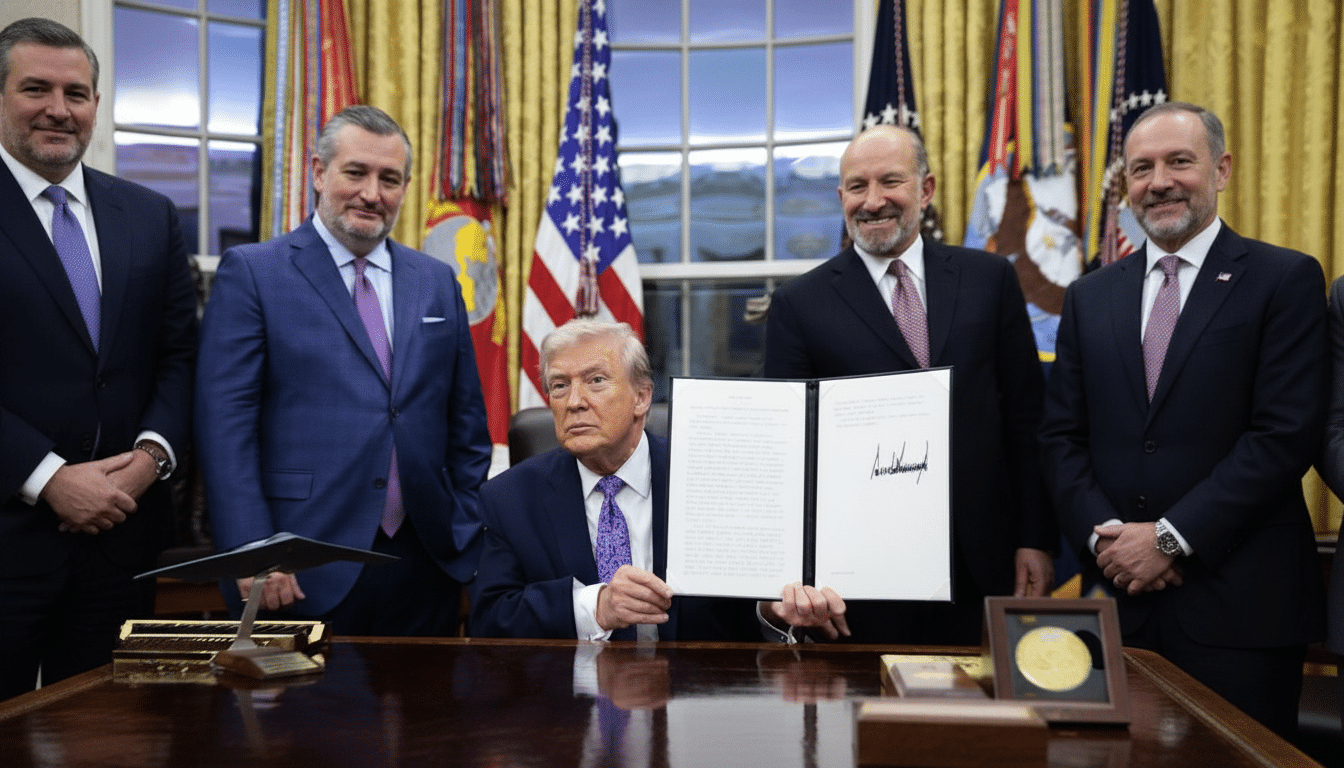
Trump's Federal AI Regulatory Order: A Shift Away from State-Level Control
Former President Trump has signed an executive order designed to establish a unified federal framework for artificial intelligence regulation, effectively blocking individual states from implementing their own AI oversight rules. The order represents a significant policy shift toward centralized governance of AI development and deployment, emphasizing the need for consistency across the nation's technology sector.
The executive order prioritizes what administration officials have termed a "one rulebook" approach to AI regulation. This strategy aims to prevent the fragmentation that would result from multiple states adopting divergent regulatory standards—a concern that has grown as states like California, Colorado, and others have moved to implement their own AI safeguards.
The Case for Federal Preemption
Proponents of the federal approach argue that a patchwork of state regulations would create significant compliance burdens for technology companies and stifle innovation. The order reflects concerns that companies operating across state lines would face conflicting requirements, potentially driving development and investment away from the United States.
Key arguments supporting federal preemption include:
- Operational efficiency: A single federal standard reduces compliance complexity for companies developing and deploying AI systems
- Innovation preservation: Uniform rules may encourage continued investment in AI research and development
- Interstate commerce: Federal authority over interstate commerce provides constitutional grounding for preemption
- Competitive positioning: A streamlined regulatory environment could maintain U.S. competitiveness against international AI development
State Regulatory Efforts and Legal Challenges
Several states have already enacted or proposed AI regulations targeting specific use cases. Colorado's AI transparency law and California's proposed regulations on algorithmic accountability represent the type of state-level initiatives the federal order seeks to supersede.
The executive order reportedly contemplates federal litigation against states that attempt to enforce AI regulations deemed inconsistent with the federal framework. This legal strategy would test the boundaries of federal preemption doctrine and could trigger constitutional challenges regarding state sovereignty and the limits of executive authority.
Technical and Policy Implications
The federal framework appears designed to balance innovation incentives with baseline safety and transparency requirements. Rather than imposing restrictive rules, the order likely emphasizes industry self-regulation, voluntary standards, and light-touch oversight mechanisms.
This approach contrasts with the more prescriptive regulatory models some states have pursued, which often include:
- Mandatory impact assessments for high-risk AI systems
- Transparency requirements for algorithmic decision-making
- Liability frameworks for AI-related harms
- Specific protections for vulnerable populations
Broader Regulatory Landscape
The order arrives amid ongoing debate within Congress about comprehensive AI legislation. Federal lawmakers have proposed various frameworks, though legislative progress has been incremental. The executive order may serve as an interim policy while Congress deliberates more formal statutory approaches.
The move also reflects broader tensions between different regulatory philosophies: innovation-first approaches that minimize restrictions versus precautionary frameworks that prioritize safety and accountability before widespread deployment.
Looking Ahead
The executive order's enforceability will likely depend on legal challenges and the willingness of states to comply voluntarily. Constitutional questions about the scope of federal preemption authority remain unsettled, particularly regarding areas where states have traditionally exercised regulatory control over business practices within their borders.
Technology companies will need to monitor both federal guidance and state responses as this regulatory landscape evolves. The order may accelerate litigation that ultimately shapes the constitutional boundaries of federal AI governance for years to come.
Key Sources
- Trump administration executive order on federal AI regulatory framework
- State AI regulatory initiatives (Colorado, California, and other jurisdictions)
- Legal analysis of federal preemption doctrine and interstate commerce authority
Tags
Enjoyed this article?
Get the top AI stories delivered to your inbox every week. No spam, just the news that matters.
Join our weekly newsletter. Unsubscribe anytime.