
Agibot Reaches 5,000-Unit Milestone: China's Humanoid Robot Production Accelerates
Chinese robotics firm Agibot has achieved a significant production milestone by manufacturing its 5,000th humanoid robot. The accomplishment underscores rapid advancement in China's robotics sector and the growing viability of humanoid robots for industrial applications.
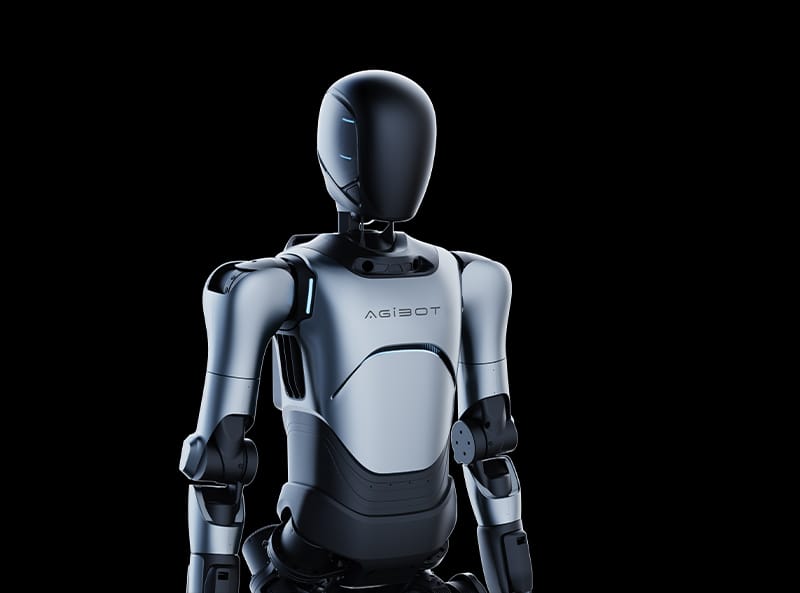
Agibot Reaches 5,000-Unit Milestone: China's Humanoid Robot Production Accelerates
Agibot, a Chinese robotics company, has successfully produced its 5,000th humanoid robot, marking a significant milestone in the commercialization of advanced robotic systems. The achievement reflects accelerating progress in China's robotics sector and demonstrates the growing feasibility of deploying humanoid robots across industrial and commercial applications.
Production Scale and Technical Significance
The 5,000-unit milestone represents a substantial scaling of manufacturing operations for the company. This production volume signals that humanoid robotics have transitioned from experimental prototypes to viable industrial products capable of being manufactured at meaningful scale. The achievement comes as global competition in robotics intensifies, with companies worldwide racing to develop and deploy humanoid systems for factory automation, logistics, and service applications.
Agibot's ability to reach this production threshold indicates maturity in both design and manufacturing processes. Producing thousands of complex robotic systems requires solving significant engineering challenges, including:
- Supply chain optimization for specialized components and actuators
- Quality control systems to maintain consistency across large production runs
- Assembly line efficiency to reduce per-unit manufacturing costs
- Standardization protocols for rapid deployment and maintenance
Market Context and Competitive Landscape
The milestone occurs amid a broader surge in humanoid robot development globally. Companies across Asia, Europe, and North America are investing heavily in humanoid robotics, viewing them as the next frontier in industrial automation. China's robotics sector has grown substantially over the past decade, with government support and private investment driving innovation in manufacturing and deployment technologies.
Agibot's production achievement positions the company as a significant player in the emerging humanoid robotics market. The ability to manufacture units at scale provides competitive advantages in pricing, customization, and market penetration—critical factors as industries evaluate whether to adopt humanoid systems for labor-intensive operations.
Applications and Future Deployment
Humanoid robots produced by companies like Agibot are designed for diverse applications, including:
- Manufacturing and assembly line operations
- Warehouse and logistics automation
- Hazardous environment operations
- Repetitive task automation in industrial settings
The 5,000-unit production milestone suggests growing customer adoption and market validation. As manufacturers gain experience deploying these systems, feedback loops improve design iterations and expand use cases. This cycle typically accelerates market growth and attracts additional investment.
Implications for the Robotics Industry
Agibot's achievement carries broader implications for the robotics sector. Reaching 5,000 units demonstrates that humanoid robots are moving beyond niche applications into mainstream industrial use. The production scale also suggests improving unit economics—a critical factor for sustained growth in robotics commercialization.
The milestone reflects China's strategic focus on robotics as a core technology sector. Government policies supporting robotics development, combined with private sector innovation, have enabled rapid advancement in manufacturing capabilities and product competitiveness.
Looking Ahead
As Agibot continues scaling production, the company will likely face increasing pressure to improve performance metrics, reduce costs, and expand application domains. The 5,000-unit achievement establishes a foundation for further growth, though sustained success will depend on continuous innovation, supply chain resilience, and market adoption rates.
The humanoid robotics sector remains in early commercialization stages, with significant growth potential as industries overcome adoption barriers and deployment costs decline. Agibot's production milestone represents a meaningful step in this trajectory, signaling that humanoid robotics are becoming tangible solutions rather than distant possibilities.
Key Sources
- National Review: AgiBot Robot Factory in China (Photo documentation)
- Kr-Asia: Agibot unveils five humanoid robots, commercialization on the horizon
Tags
Enjoyed this article?
Get the top AI stories delivered to your inbox every week. No spam, just the news that matters.
Join our weekly newsletter. Unsubscribe anytime.