
AI Identifies Two Subtypes of Multiple Sclerosis
AI identifies two distinct subtypes of multiple sclerosis, enabling personalized treatment approaches and transforming MS management.
AI Identifies Two Subtypes of Multiple Sclerosis
Researchers have made a significant advance in understanding multiple sclerosis (MS) through artificial intelligence, identifying two biologically distinct subtypes of the disease. This discovery could transform MS treatment by moving away from symptom-based approaches toward precision medicine tailored to each patient's underlying biology.
The study, led by Queen Square Analytics (QSA) in collaboration with University College London (UCL) and Merck, was published in the neurology journal Brain. It analyzed data from 634 MS patients using advanced AI technology combined with routine brain imaging and blood biomarkers.
The Two New MS Subtypes
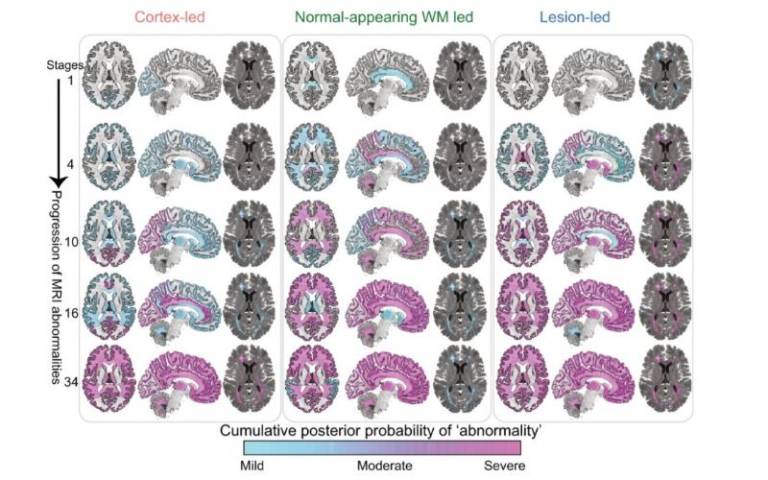
The AI analysis, using a model called SuStaIn, revealed two distinct disease patterns:
-
Early-sNfL Subtype: Characterized by high levels of serum neurofilament light chain (sNfL) early in disease progression, with significant damage to the corpus callosum. This indicates a more aggressive disease course with rapid nerve damage.
-
Late-sNfL Subtype: Exhibits structural brain changes before significant rises in sNfL protein levels, suggesting a slower, more gradual disease course.
The Role of Artificial Intelligence
AI technology was crucial in this discovery. Dr. Arman Eshaghi from UCL explained: "Using routine brain images and a blood marker of nerve-cell injury, we identified two distinct biological trajectories in multiple sclerosis." The AI model analyzed the temporal progression of disease markers, revealing patterns undetectable through conventional methods.
Implications for Patient Care and Treatment
This discovery has profound implications for MS treatment strategy. Currently, treatments rely on symptoms to guide therapy selection. The new subtypes allow clinicians to identify disease patterns early, selecting appropriate interventions:
- Early-sNfL Subtype: May require stronger immunosuppressive medications to halt rapid progression.
- Late-sNfL Subtype: May benefit from neuroprotective therapies to preserve brain structure.
Broader Context and Future Directions
The research highlights the inadequacy of traditional MS classification systems, aligning with the trend toward precision healthcare. The study's collaborative nature demonstrates how academic research can translate into practical clinical applications. As these subtypes are refined and validated, they could reshape MS management globally, improving outcomes for millions.
Tags
Enjoyed this article?
Get the top AI stories delivered to your inbox every week. No spam, just the news that matters.
Join our weekly newsletter. Unsubscribe anytime.