
AI images seep into daily life and erode trust, research finds
WSJ and academic reporting in July–Aug. 2026 show AI-generated images now routinely fool people and experts, eroding trust. Researchers suggest provenance and procedural checks—rather than visual sleuthing—are the practical response.
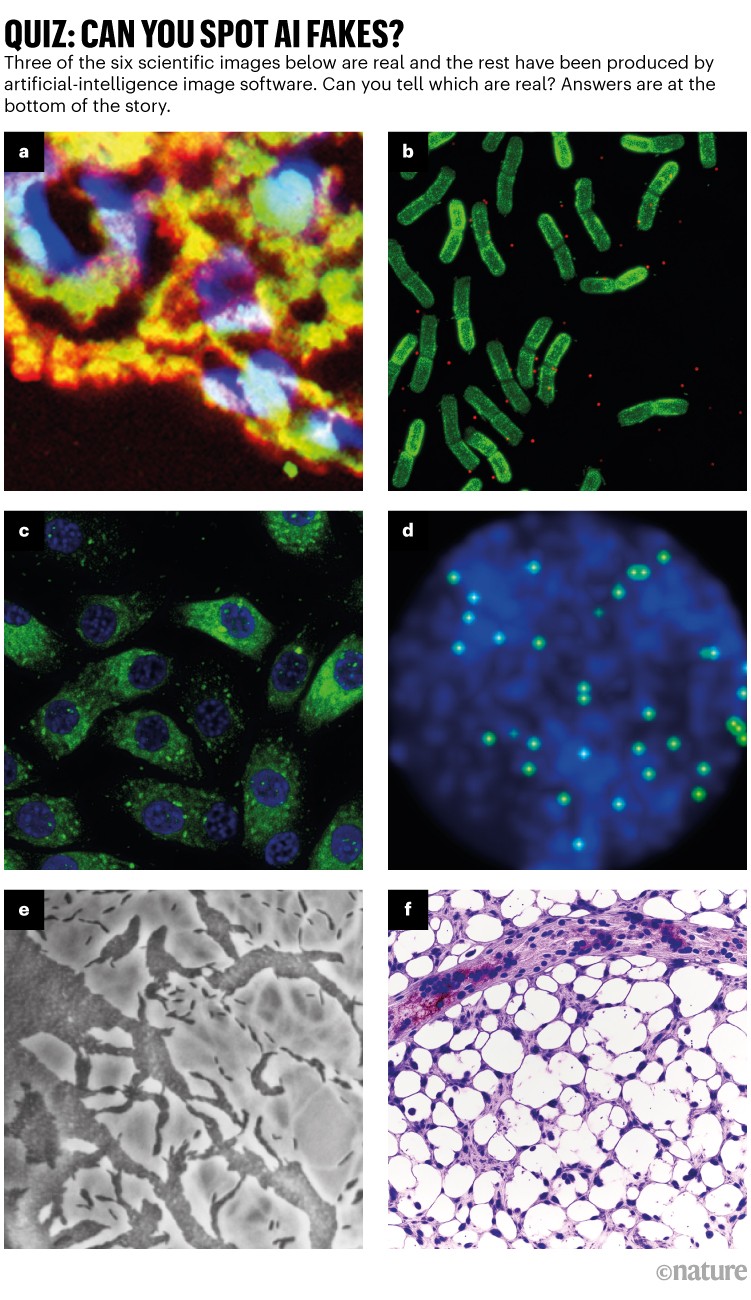
On Aug. 2, 2026, the Wall Street Journal published a feature arguing that synthetic images have proliferated so widely they are changing how people process visual information and what they trust online WSJ. Academic and field reporting since July points to rising confusion: people and experts increasingly struggle to tell real photos from AI fabrications, with consequences for news, science and everyday civic life.
The shift matters because visual evidence has long anchored public belief. Researchers and practitioners now say that cue-based detection—looking for extra fingers or odd lighting—no longer works reliably as models improve, and that the social incentives to believe or dismiss images amplify errors.https://www.ischool.berkeley.edu/news/presscoverage/2026/recent-ai-generated-photos-lead-increase-distrust-media-according-hany
Hany Farid on confirmation bias and “seeing”
Hany Farid, a digital forensics scholar quoted in UC Berkeley coverage, describes two failure modes that undercut the old maxim “seeing is believing.” Farid says people are “just as likely to say something real is fake as they are to say something fake is real” and that content aligning with a viewer’s worldview is more readily accepted: “When I send you something that conforms to your worldview, you want to believe it. You’re incentivized to believe it… And if it’s something that contradicts your worldview, you’re highly incentivized to say, ‘Oh, that’s fake.’”https://www.ischool.berkeley.edu/news/presscoverage/2026/recent-ai-generated-photos-lead-increase-distrust-media-according-hany
That psychological tilt complicates technical detection. Older visual telltales—extra digits, obvious compositing—helped when early deepfakes were crude. But newer models produce faces and scenes that fool people roughly a third of the time in laboratory tests, according to reporting summarizing recent experiments Phys.org. Kevin Frazier of the University of Texas’s AI Innovation and Law Program warns that the right response is not heightened visual scrutiny alone but procedural change: “Seeing shouldn’t be believing. Seeing should be leading to additional inquiry,” he told local reporters, and he estimated that about half of online content may now be AI-generated—an estimate he framed as conservative KVUE.
41% of radiologists missed AI X‑rays when unprimed
The vulnerability is not limited to casual viewers. A summary of a radiology study reports that when clinicians were not told AI-generated X‑rays had been mixed into their cases, only 41% recognized the fakes ScienceDaily. That finding underscores two points: experts rely on expectation as well as pattern recognition, and deception that mimics domain norms can bypass professional scepticism.
Real-world incidents echo the research. Local newsrooms in New Jersey flagged AI-generated tornado photos on social media that meteorologists later debunked—“A Toms River tornado DID NOT happen,” a forecaster wrote—illustrating how synthetic images can create short-lived but vivid misinformation in weather and emergency contexts NJ.com. Citizen-science platforms report manipulated wildlife photos on birding sites, threatening the integrity of research databases if left unchecked The Guardian.
Platforms and verifyers are scrambling but remain reactive. Visual provenance—cryptographic proofs or metadata chains tied to camera hardware or authenticated upload workflows—offers one alternative to heuristic inspection, yet adoption is spotty. Critics say the practical burden will fall on journalists, scientists and platforms to change workflows rather than rely on improved model detectability alone.
Skeptics caution against overstating the scope. Laboratory figures such as “one third fooled” and the 41% radiologist recognition rate measure different settings; Kevin Frazier’s “50% of internet content” is an expert estimate rather than a census. Still, the converging anecdotes and studies suggest the problem has moved beyond novelty into routine harm.
The immediate policy and practice question is operational: how to make provenance and verification frictionless enough for newsrooms, social platforms and scientific repositories. Watch whether major platforms commit to stronger provenance standards or whether outlets integrate routine provenance checks into publishing workflows; those moves will determine whether “seeing” regains any of its evidentiary power.
Tags
Sources
Enjoyed this article?
Get the top AI stories delivered to your inbox every week. No spam, just the news that matters.
Join our weekly newsletter. Unsubscribe anytime.