AI-Powered Robotics Achieves 19 Successful Births Through Automated Embryo Creation
Artificial intelligence and robotic systems have successfully created embryos leading to 19 live births, marking a pivotal shift in reproductive medicine. This breakthrough demonstrates how automation and AI are transforming fertility treatment outcomes.

The Automation Revolution in Fertility Medicine
The race to perfect assisted reproductive technology just entered a new phase. While traditional IVF labs have relied on skilled embryologists performing manual procedures, a convergence of robotics and artificial intelligence is now delivering measurable results: 19 successful births from AI-created embryos. This achievement signals a fundamental shift in how fertility clinics approach embryo development and selection.
The implications extend beyond mere novelty. Robotics and automation in IVF labs are addressing longstanding challenges in reproductive medicine—consistency, precision, and scalability. Where human embryologists face fatigue and variability across procedures, automated systems operate with unwavering precision, potentially improving success rates while reducing costs.
How AI Transforms Embryo Development
The technical breakthrough centers on two critical innovations:
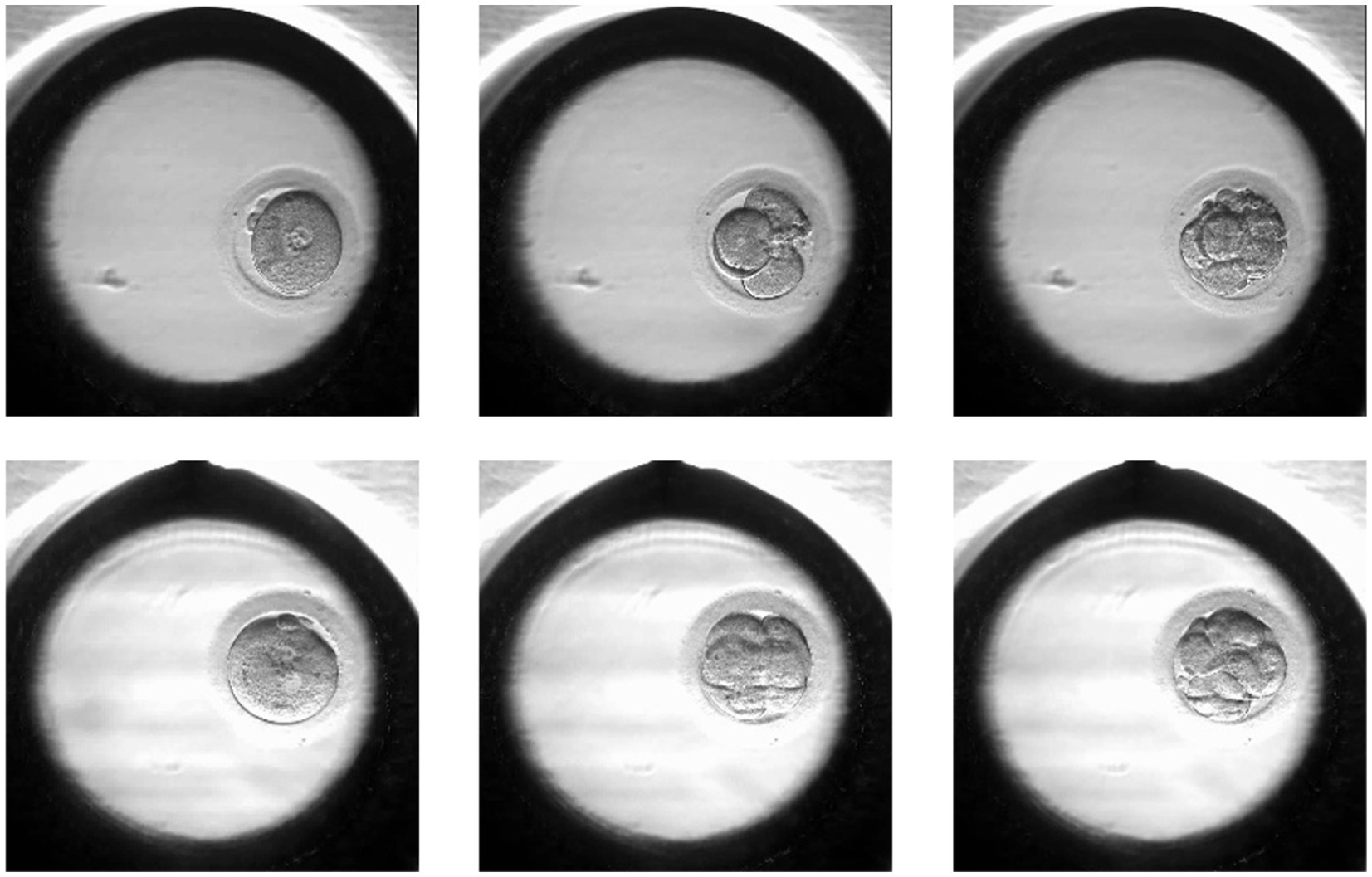
Embryo Creation and Selection AI algorithms now evaluate embryo quality with greater accuracy than traditional morphological assessment. Rather than relying solely on visual inspection under a microscope, machine learning models analyze multiple parameters—cell division patterns, genetic markers, developmental timing—to identify the most viable embryos for implantation.
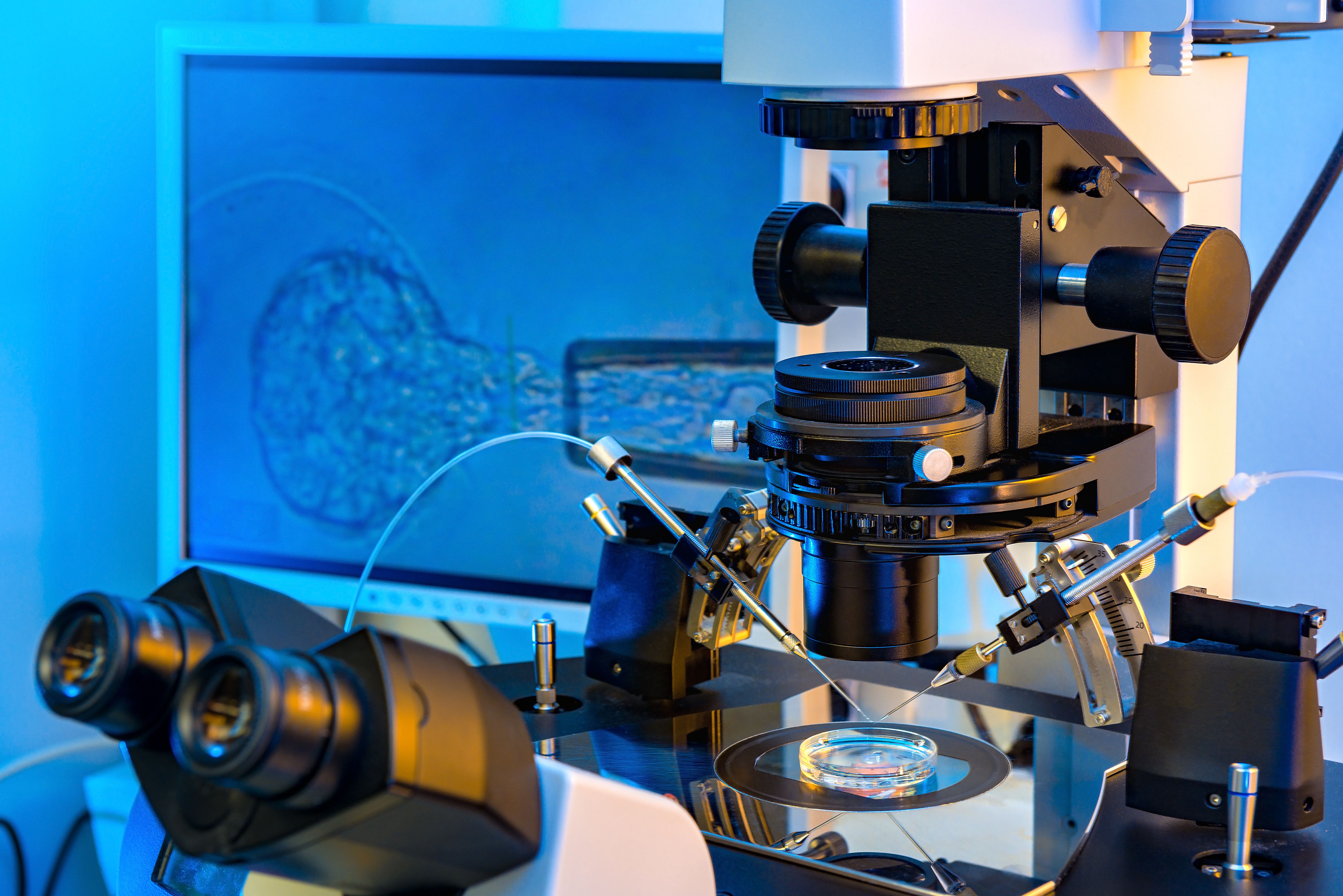
Automated Laboratory Procedures Robotic systems handle delicate embryo manipulation with sub-micron precision. These systems reduce human error and contamination risks while enabling standardized protocols across fertility centers. The consistency of automated procedures translates directly into more predictable outcomes.
The Broader Context: Expanding Reproductive Options
This development arrives amid a parallel breakthrough in reproductive science. Scientists have recently created human eggs from skin cells, potentially eliminating the need for egg donors in future treatments. Combined with AI-driven embryo selection, this convergence could democratize access to fertility treatments and expand options for individuals facing biological barriers to parenthood.
The implications ripple across the healthcare landscape. AI is already transforming parenthood and premature care, from predicting pregnancy complications to optimizing neonatal interventions. The 19 successful births represent not an endpoint but a validation point—proof that automated embryo creation can deliver viable pregnancies.
Key Advantages of Automated Embryo Systems
- Precision: Robotic systems eliminate human tremor and fatigue-related errors
- Scalability: Automation enables fertility clinics to process more cases without proportional increases in staffing
- Data Integration: AI systems learn from thousands of embryos, continuously improving selection accuracy
- Standardization: Protocols remain consistent across procedures and facilities
- Cost Reduction: Labor efficiency and higher success rates lower per-cycle expenses
What's Next for Reproductive Medicine
The 19 births validate the technical feasibility, but questions remain about long-term outcomes, genetic safety, and equitable access. As automation reshapes IVF laboratory workflows, regulatory bodies will need to establish clear standards for AI-assisted embryo selection and robotic procedures.
The competitive pressure is mounting. Fertility clinics that adopt these technologies early gain efficiency advantages, while those relying on traditional methods face pressure to modernize. This isn't merely about technological adoption—it's about reshaping the fundamental economics and outcomes of reproductive medicine.
The 19 successful births represent a watershed moment: proof that artificial intelligence can reliably participate in one of medicine's most consequential decisions. As these systems mature and proliferate, they will likely become standard rather than exceptional in fertility treatment.
Tags
Enjoyed this article?
Get the top AI stories delivered to your inbox every week. No spam, just the news that matters.
Join our weekly newsletter. Unsubscribe anytime.