AR Glasses Race Heats Up at CES 2026 with Major Optical Breakthroughs
CES 2026 marks a turning point for smart glasses as companies unveil next-generation AR waveguides and AI-powered features that finally make the technology mainstream.
The AR Glasses Inflection Point
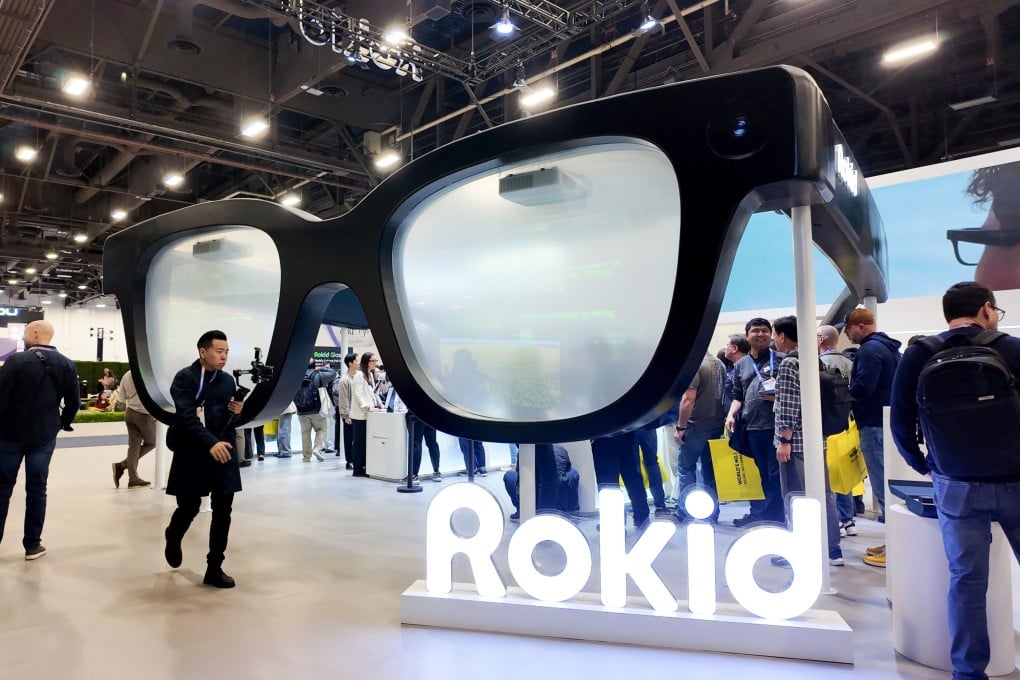
The competition for augmented reality dominance just shifted into high gear. CES 2026 has become the proving ground where smart glasses technology moves from niche gadgetry to genuine consumer viability, with multiple manufacturers showcasing optical innovations that address long-standing technical barriers.
What's driving this momentum? A convergence of breakthroughs in waveguide technology, AI integration, and form-factor refinement. The glasses on display aren't incremental updates—they represent fundamental advances in how light is manipulated and displayed directly in the user's field of vision.
Waveguide Technology: The Optical Breakthrough
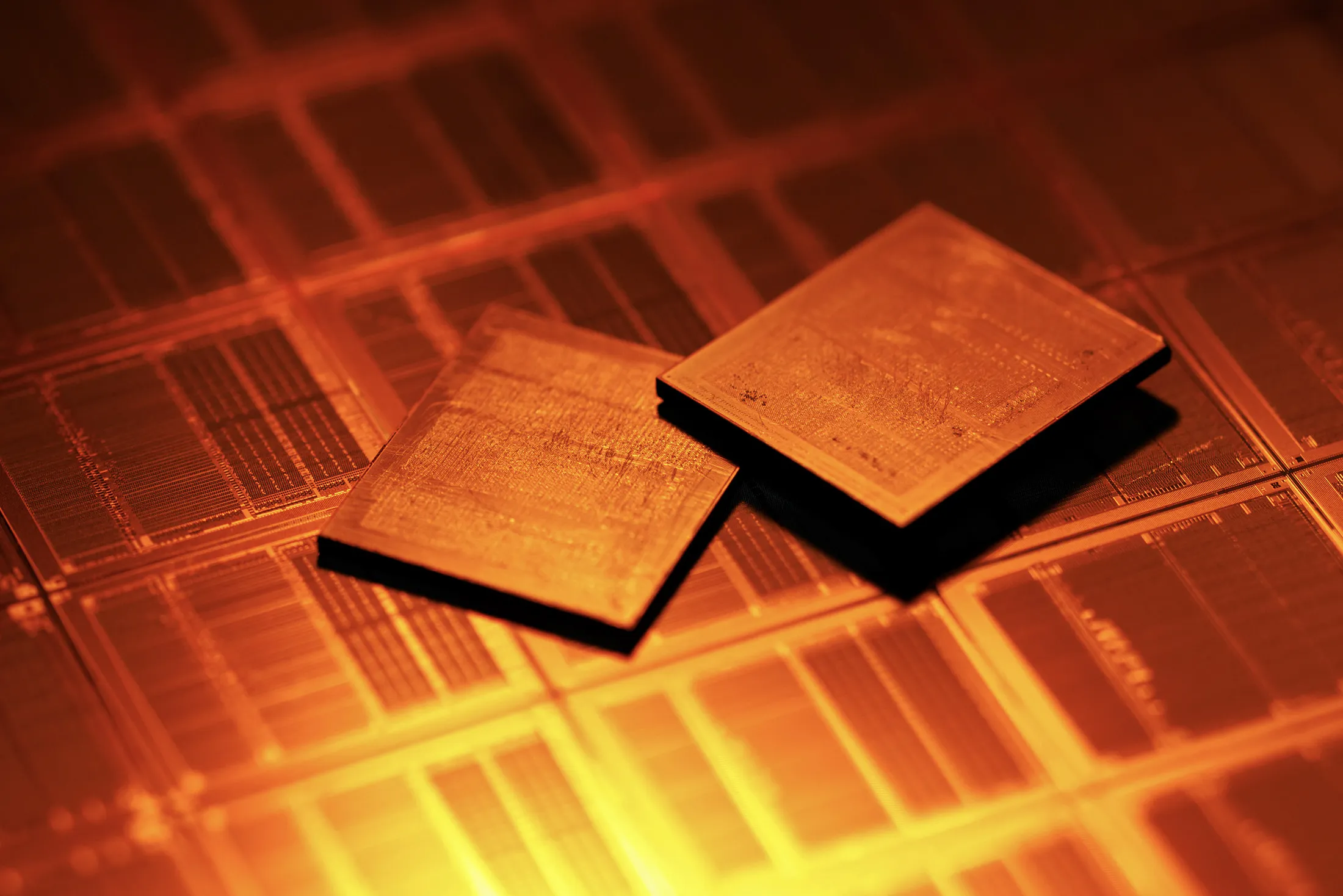
Lumus's new AR waveguides exemplify the technical leap forward. Waveguides—the optical components that project digital imagery onto the lens—have historically suffered from limited brightness, narrow viewing angles, and manufacturing complexity. The latest generation addresses these constraints with improved light efficiency and wider field-of-view capabilities.
This matters because previous-generation smart glasses struggled with:
- Brightness limitations in outdoor environments
- Narrow viewing angles that constrained the AR experience
- Bulk and weight that made all-day wear uncomfortable
- Manufacturing costs that kept prices prohibitively high
The new designs promise better performance across all these dimensions, making AR glasses genuinely practical for extended use.
AI Integration and Practical Applications
Beyond optics, CES 2026 showcases AI-enhanced smart glasses that transform the devices from display platforms into intelligent assistants. Companies are embedding on-device AI capabilities that enable:
- Real-time language translation overlaid on conversations
- Contextual information retrieval based on what you're looking at
- Gesture and voice control for hands-free interaction
- Privacy-preserving processing without constant cloud connectivity
The integration of AI processors directly into the glasses addresses a critical pain point: latency. Previous systems required constant smartphone tethering; the new generation operates more independently.
Market Momentum and Mainstream Adoption
According to industry observers, smart glasses are finally going mainstream at CES 2026. This isn't hype—it reflects genuine progress in three areas:
- Form Factor: Glasses now resemble conventional eyewear rather than bulky prototypes
- Battery Life: Multi-hour operation without constant charging
- Price Positioning: Moving toward consumer-friendly price points rather than enterprise-only costs
The shift from "interesting prototype" to "viable consumer product" hinges on these practical improvements. Manufacturers recognize that AR glasses won't succeed on novelty alone—they must deliver genuine utility and comfort.
Technical Challenges Remain
Despite the progress, significant hurdles persist. Thermal management in compact form factors, battery density limitations, and the challenge of creating compelling software ecosystems remain active areas of development. The hardware breakthroughs are necessary but insufficient without corresponding advances in AR software and content.
Additionally, privacy concerns around always-on cameras and data collection continue to shape regulatory discussions and consumer skepticism.
The Competitive Landscape
The diversity of approaches on display at CES 2026 reflects healthy competition. Different manufacturers are pursuing distinct technical strategies—some prioritizing optical performance, others emphasizing AI capabilities, still others focusing on fashion-forward design. This fragmentation suggests the market hasn't yet converged on a dominant standard, which could accelerate innovation or fragment the ecosystem depending on how the next 12-18 months unfold.
The smart glasses showcased at CES 2026 represent genuine technological progress, not marketing theater. Whether this translates into sustained consumer adoption depends on execution, pricing, and the emergence of killer applications that justify the technology's presence on users' faces throughout the day.
Tags
Enjoyed this article?
Get the top AI stories delivered to your inbox every week. No spam, just the news that matters.
Join our weekly newsletter. Unsubscribe anytime.