
Google Unveils Android XR Roadmap and AI Glasses Launch Timeline for 2026
Google has announced significant updates to its Android XR platform and revealed plans for AI-powered glasses launching in 2026, marking a major push into spatial computing and wearable AI technology.
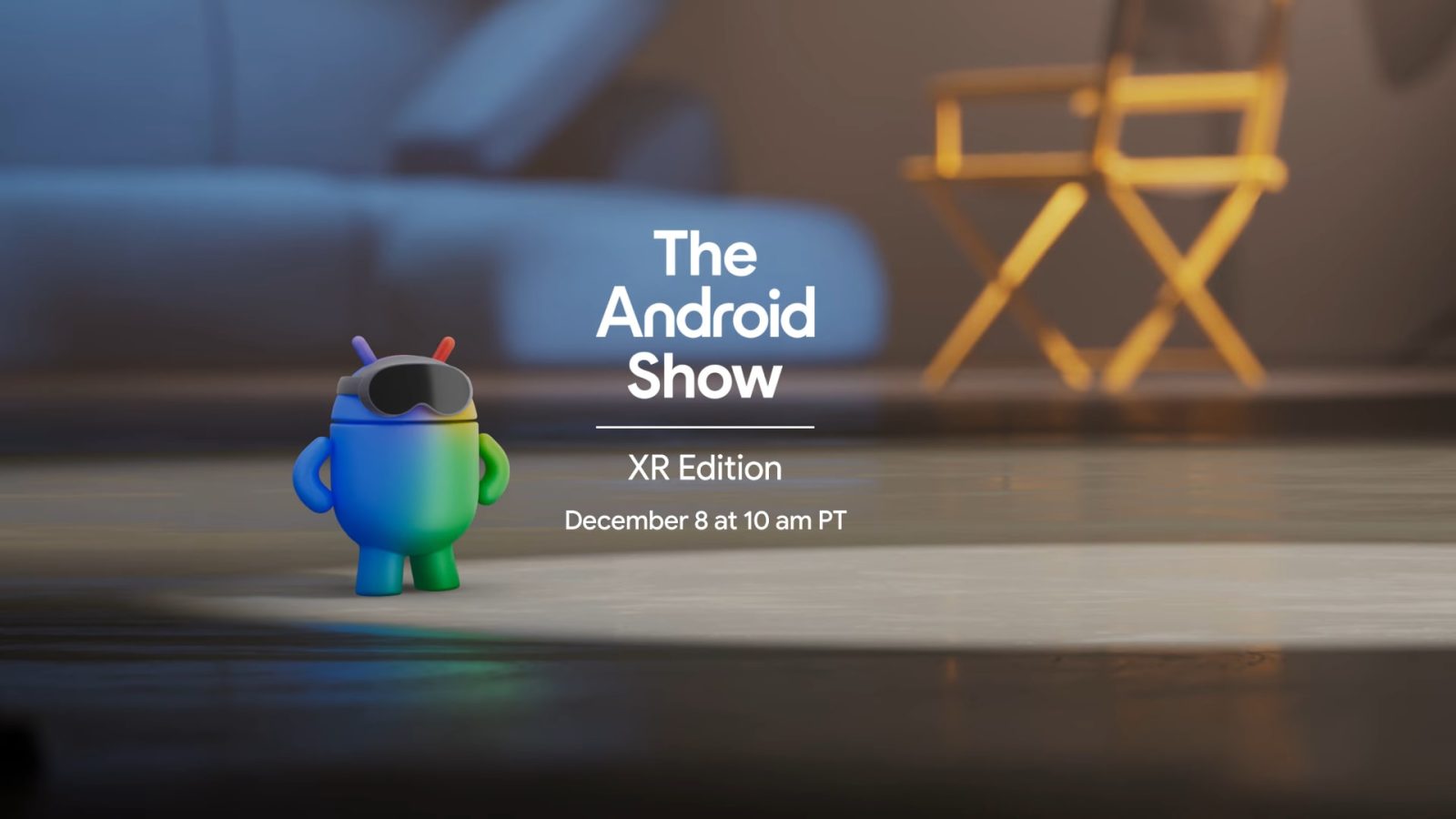
Google Advances Android XR Platform with 2026 AI Glasses Launch
Google has announced substantial updates to its Android XR ecosystem and confirmed the launch timeline for its highly anticipated AI glasses in 2026. The announcements represent a strategic acceleration in the company's spatial computing ambitions and underscore its commitment to integrating artificial intelligence into next-generation wearable devices.
Android XR Platform Enhancements
The Android XR updates focus on expanding the operating system's capabilities for extended reality applications. Google's platform is designed to power a new category of glasses that blend digital information seamlessly with the physical world, enabling users to interact with AI assistants and digital content through natural gestures and voice commands.
Key platform improvements include:
- Enhanced integration with Gemini AI for contextual assistance
- Improved spatial mapping and object recognition
- Refined gesture recognition and voice interaction systems
- Expanded developer tools for creating immersive applications
- Better battery optimization for extended wear
These enhancements position Android XR as a comprehensive operating system specifically engineered for the demands of spatial computing, differentiating it from mobile-first platforms.
2026 AI Glasses: What to Expect
Google's AI glasses represent a convergence of wearable technology and artificial intelligence. The devices are expected to feature:
- Real-time visual processing powered by on-device AI
- Seamless integration with Google's Gemini AI assistant
- Lightweight design optimized for all-day wear
- Advanced display technology for clear, immersive visuals
- Privacy-focused architecture with on-device processing
The 2026 launch timeline places Google in direct competition with other major technology companies pursuing similar spatial computing initiatives. The glasses are positioned as consumer-ready devices rather than developer kits, indicating Google's confidence in the maturity of the underlying technology.
Strategic Implications
Google's dual announcement of platform updates and hardware timelines reflects a coordinated approach to establishing dominance in spatial computing. By controlling both the operating system and initial hardware implementations, Google can ensure optimized performance and a cohesive user experience from day one.
The integration of Gemini AI into the Android XR ecosystem is particularly significant. This approach allows Google to leverage its advances in large language models and multimodal AI to create glasses that understand context, anticipate user needs, and provide intelligent assistance in real-world scenarios.
Developer Ecosystem and Third-Party Support
The Android XR platform updates also signal Google's commitment to building a robust developer ecosystem. Enhanced tools and APIs will enable third-party developers to create applications that take full advantage of spatial computing capabilities. This approach mirrors Google's successful strategy with Android mobile, where third-party innovation drove widespread adoption.
Market Context
The spatial computing market remains nascent but rapidly evolving. Google's announcements come as the industry witnesses increasing investment in AR/VR technologies and growing consumer interest in wearable AI devices. The 2026 launch timeline suggests Google believes the market will be ready for mainstream adoption within the next 18 months.
Looking Ahead
Google's Android XR updates and confirmed 2026 launch date represent a significant milestone in the company's spatial computing strategy. The combination of a purpose-built operating system, integrated AI capabilities, and consumer-focused hardware design positions the company to make a substantial impact on how users interact with digital information in physical spaces.
The success of these initiatives will depend on factors including device pricing, battery life, application ecosystem maturity, and user adoption rates. However, Google's comprehensive approach—addressing platform, hardware, and AI integration simultaneously—demonstrates the company's serious commitment to leading the spatial computing revolution.
Key Sources
- 9to5Google coverage of Android XR announcements (December 2025)
- Android Authority hands-on reviews of Project Aura prototypes
- XR Today reporting on Google's Android XR Showcase and Gemini integration
Tags
Enjoyed this article?
Get the top AI stories delivered to your inbox every week. No spam, just the news that matters.
Join our weekly newsletter. Unsubscribe anytime.