
How Constant Anxiety Shapes Nvidia CEO Jensen Huang's Leadership Philosophy
Nvidia's CEO Jensen Huang reveals how perpetual anxiety drives his decision-making process and leadership approach, offering insights into the mindset behind one of tech's most successful executives.
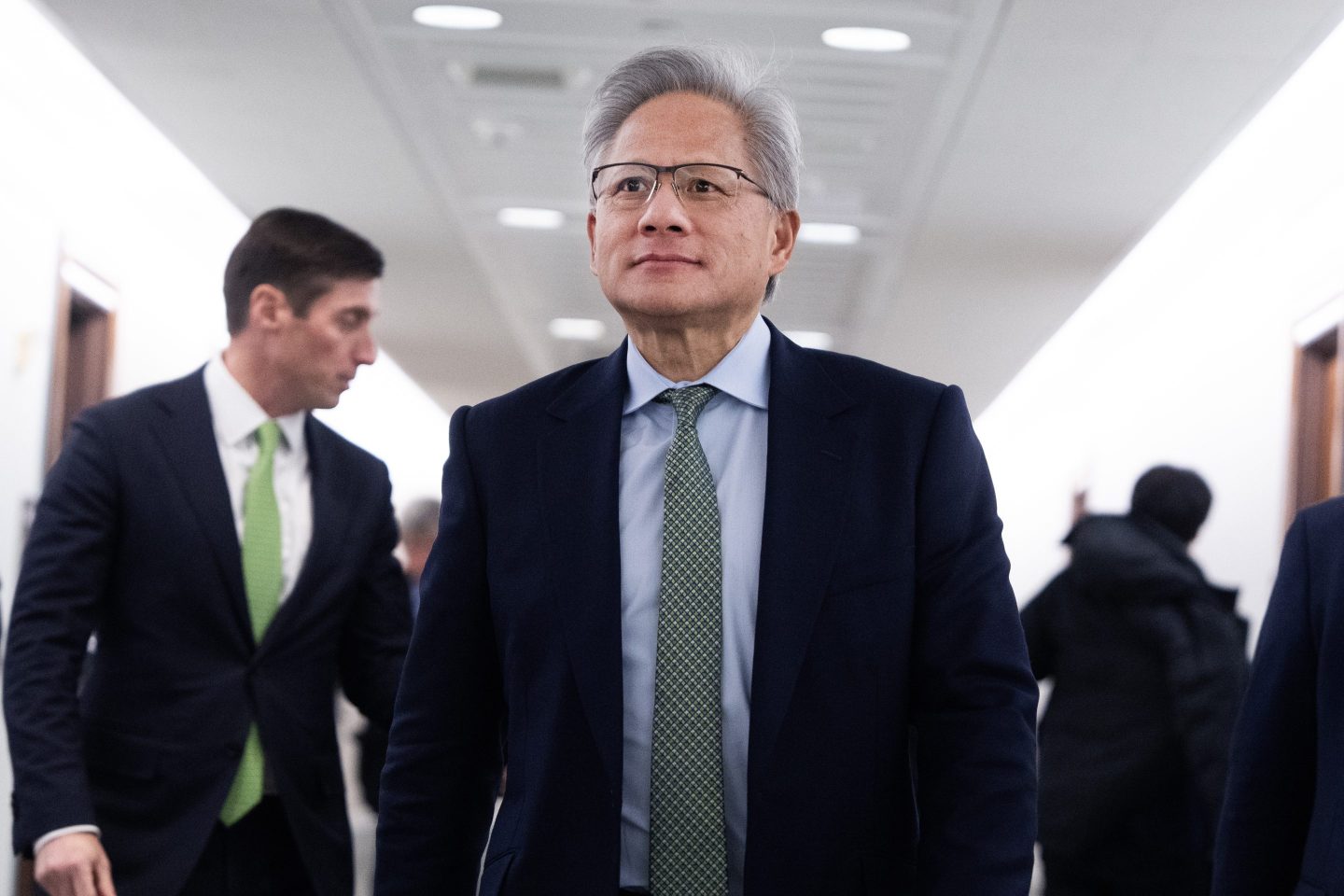
The Anxiety-Driven Executive
Jensen Huang, CEO of Nvidia, has openly discussed how constant anxiety serves as a fundamental driver of his leadership style and strategic decision-making. Rather than viewing anxiety as a weakness to overcome, Huang frames it as a critical component of his success—a force that keeps him vigilant, questioning, and perpetually focused on potential threats and opportunities in the rapidly evolving semiconductor industry.
This perspective challenges conventional wisdom about executive psychology. While many leadership frameworks emphasize confidence and decisiveness, Huang's approach suggests that a degree of productive anxiety can sharpen judgment and prevent complacency in high-stakes environments.
Anxiety as a Competitive Advantage
Huang's willingness to discuss his anxiety publicly reflects a broader shift in how tech leaders conceptualize emotional drivers of performance. His constant state of alertness translates into several observable leadership behaviors:
- Relentless questioning: Huang maintains a culture of inquiry within Nvidia, where assumptions are regularly challenged
- Continuous learning: His anxiety about obsolescence fuels investment in emerging technologies and market trends
- Risk awareness: Rather than dismissive optimism, Huang's mindset incorporates scenario planning and contingency thinking
- Operational intensity: His personal work ethic—famously working seven days a week—reflects the urgency anxiety creates
Decision-Making Under Pressure
The semiconductor industry operates under conditions of extreme uncertainty. Nvidia must navigate geopolitical tensions, rapidly shifting technology landscapes, and intense competition. Huang's anxiety-driven approach appears well-suited to these conditions. His decision-making process incorporates:
Strategic Caution: Despite Nvidia's dominance in AI chips, Huang consistently warns about competitive threats and the company's vulnerability to disruption. This mindset prevents the strategic blindness that has toppled other tech giants.
Organizational Structure: Huang's well-documented preference for direct communication and limited hierarchical layers reflects anxiety about information delays or distortion. His insistence on maintaining numerous direct reports, while unconventional, ensures rapid decision-making and reduced organizational friction.
Long-term Positioning: Anxiety about future irrelevance drives Nvidia's substantial R&D investments and willingness to cannibalize existing products with superior alternatives.
The Broader Leadership Lesson
Huang's model suggests that effective leadership in volatile industries may require embracing rather than suppressing anxiety. This contrasts sharply with earlier management philosophies that emphasized unflappable confidence. His approach acknowledges that:
- Anxiety can enhance pattern recognition and threat detection
- Constant questioning prevents groupthink and strategic complacency
- Urgency, when channeled productively, accelerates organizational responsiveness
- Transparency about emotional drivers builds authentic leadership credibility
Implications for Tech Leadership
As the semiconductor and AI industries face unprecedented complexity and competition, Huang's anxiety-driven model offers a template for other executives. Rather than projecting false certainty, leaders in high-uncertainty environments may benefit from acknowledging the legitimate concerns that drive their decision-making.
This doesn't mean anxiety should be pathological or paralyzing. Instead, Huang demonstrates how controlled anxiety—channeled into preparation, questioning, and relentless execution—can become a strategic asset. His willingness to work continuously, maintain intense focus, and question assumptions reflects an executive who has transformed personal anxiety into organizational advantage.
Key Sources
- Jensen Huang's public statements on leadership philosophy and work ethic
- Nvidia's organizational structure and strategic positioning in semiconductor markets
- Industry analysis of competitive dynamics in AI chip development
The Bottom Line: Jensen Huang's candid discussion of anxiety as a leadership driver challenges conventional executive psychology. In an industry defined by rapid change and existential competition, his approach suggests that productive anxiety—properly channeled—may be more valuable than the false confidence that often characterizes boardroom culture.
Tags
Enjoyed this article?
Get the top AI stories delivered to your inbox every week. No spam, just the news that matters.
Join our weekly newsletter. Unsubscribe anytime.