
Li Auto Enters Wearables Market with Livis AI Glasses Amid EV Sales Slowdown
Li Auto has launched Livis, its first smart glasses product, marking a strategic pivot into consumer wearables as the Chinese automaker faces mounting pressure from declining electric vehicle sales. The move signals the company's ambition to diversify beyond automotive manufacturing.
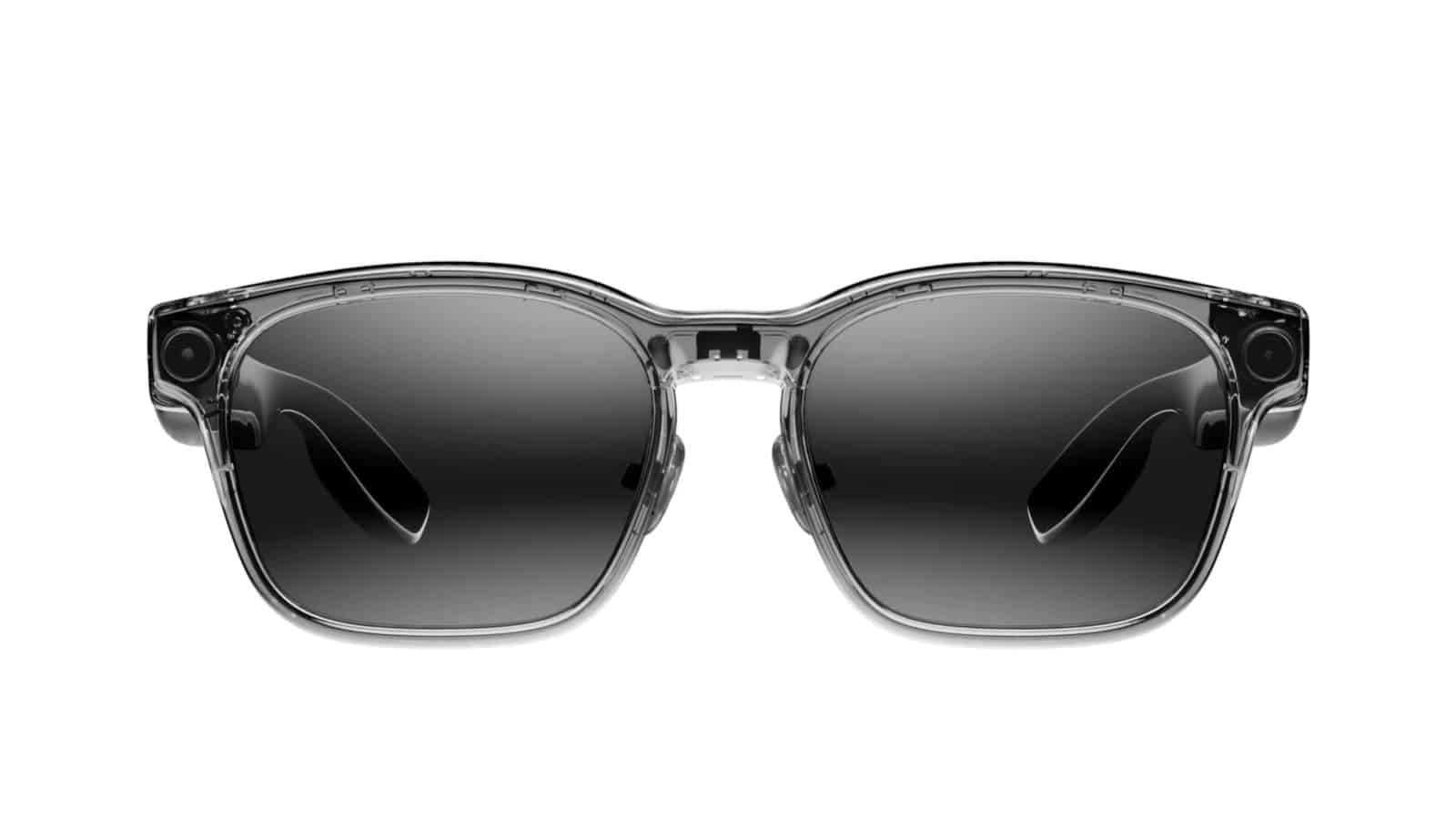
Li Auto Pivots to Consumer Tech with Livis Smart Glasses Launch
Li Auto has officially entered the wearables market with the introduction of Livis, its first-generation AI-powered smart glasses. The launch represents a significant strategic shift for the Chinese automaker, which has faced intensifying competition and declining sales in the electric vehicle segment. By extending its artificial intelligence capabilities into consumer hardware, Li Auto is attempting to establish new revenue streams and leverage its existing technology infrastructure.
The Livis glasses mark Li Auto's first major foray beyond automotive manufacturing, positioning the company alongside other tech-forward automakers experimenting with adjacent product categories. The timing of the launch—amid a broader contraction in China's EV market—underscores management's recognition that automotive sales alone may not sustain growth targets.
Product Positioning and Technical Specifications
Livis represents Li Auto's attempt to commercialize the AI systems originally developed for its vehicle platforms. The smart glasses integrate the company's proprietary artificial intelligence algorithms, designed to deliver contextual information and assistance to users throughout their daily activities.
Key features of the Livis platform include:
- AI-powered visual processing leveraging computer vision technology
- Real-time information overlay capabilities for augmented reality applications
- Integration with Li Auto's existing AI ecosystem developed for autonomous driving systems
- Consumer-focused interface adapted from automotive applications
The product targets early adopters and technology enthusiasts willing to experiment with emerging wearable platforms. Li Auto has positioned Livis as a premium offering, emphasizing the technological sophistication derived from its automotive R&D investments.
Strategic Context: EV Market Headwinds
Li Auto's diversification into wearables arrives during a challenging period for Chinese electric vehicle manufacturers. The domestic EV market has experienced significant contraction, with intensifying price competition from Tesla, BYD, and emerging competitors eroding margins across the sector. Traditional automakers entering the EV space have further fragmented market share.
For Li Auto specifically, sales momentum has decelerated as consumers postpone purchases amid economic uncertainty and oversupply conditions. The company's extended-range electric vehicle (EREV) segment, once a differentiator, faces increasing competition from pure-electric alternatives and hybrid offerings from established manufacturers.
Leveraging Existing AI Infrastructure
The Livis launch capitalizes on substantial investments Li Auto has made in autonomous driving and AI development. Rather than allowing this technological capability to remain confined to automotive applications, the company is attempting to monetize these assets across consumer segments.
This approach mirrors strategies employed by other technology-forward automakers seeking to maximize return on R&D spending. By adapting automotive-grade AI systems for consumer wearables, Li Auto can distribute development costs across multiple product categories while building brand presence in adjacent markets.
Market Implications and Competitive Landscape
The smart glasses market remains nascent and highly competitive. Established technology companies including Meta, Apple, and Google have invested heavily in AR/VR wearable platforms, though consumer adoption rates have remained modest. Li Auto enters this space as a relative newcomer, lacking the brand recognition and ecosystem integration advantages of incumbent players.
However, the company's automotive heritage and existing customer base provide potential advantages. Li Auto owners represent a captive audience for cross-selling wearable products, and the company's technical credibility in autonomous systems may transfer favorably to consumer perception of AI-powered glasses.
Key Sources
- CNEVPost reporting on Li Auto's Livis smart glasses launch and market positioning
- Industry analysis on Chinese EV market contraction and competitive dynamics
- Li Auto corporate communications regarding product specifications and strategic direction
The Livis launch signals Li Auto's recognition that sustainable growth requires diversification beyond traditional automotive manufacturing. Whether the smart glasses product achieves meaningful market traction remains uncertain, but the initiative demonstrates management's willingness to experiment with emerging technology categories during a period of sector-wide disruption.
Tags
Enjoyed this article?
Get the top AI stories delivered to your inbox every week. No spam, just the news that matters.
Join our weekly newsletter. Unsubscribe anytime.