James Cameron Opposes AI Replacing Actors, Calls It 'Horrifying'
James Cameron opposes AI replacing actors, calling it 'horrifying' and emphasizing the irreplaceable value of human creativity in filmmaking.
James Cameron Opposes AI Replacing Actors, Calls It 'Horrifying'
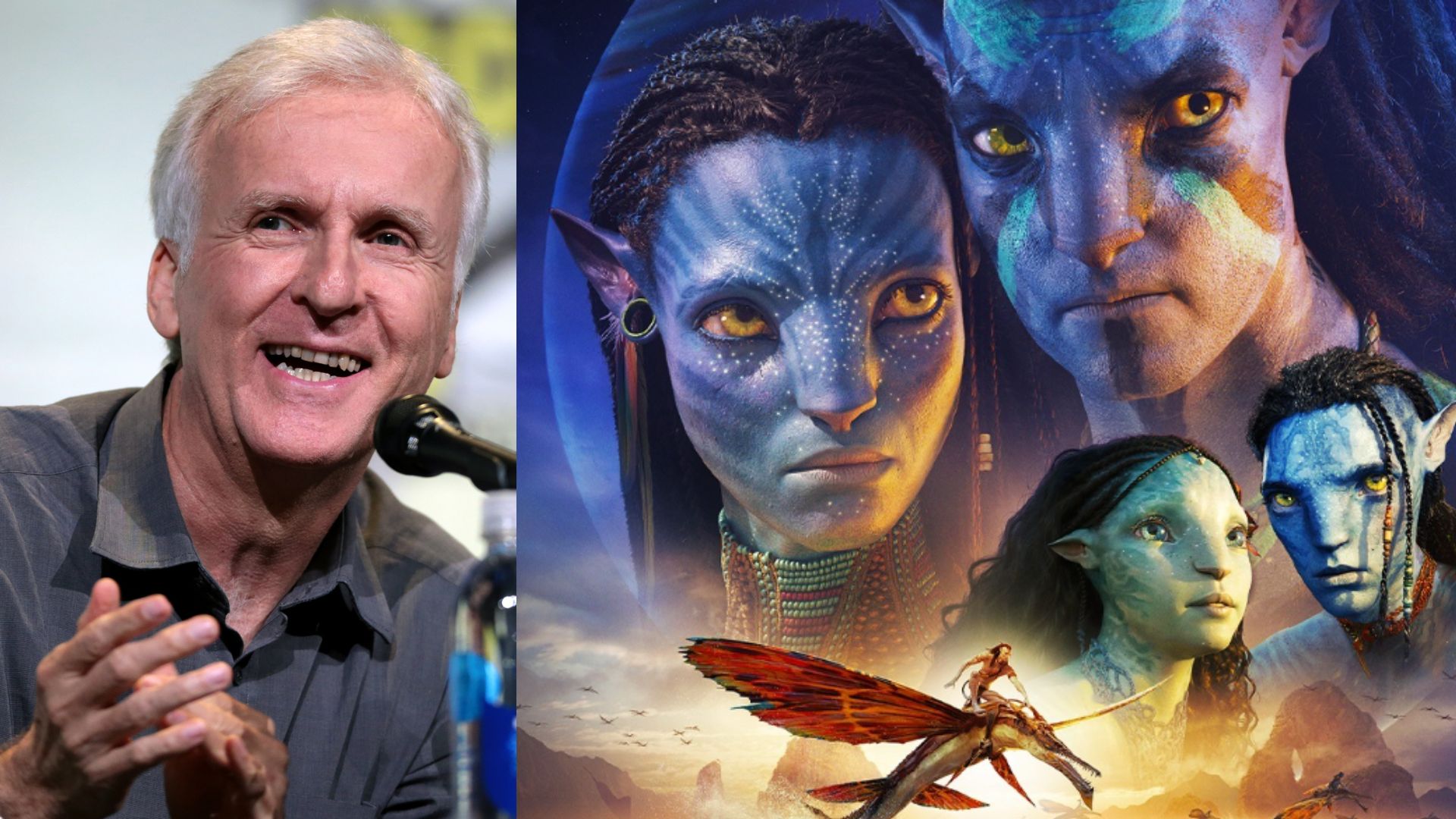
In a recent interview promoting the upcoming release of Avatar: Fire and Ash, director James Cameron expressed strong opposition to the use of generative artificial intelligence (Gen AI) to replace human actors, describing the idea as "horrifying." While Cameron has been a pioneer in integrating technology into filmmaking—particularly through motion capture and digital effects—he firmly opposes AI-generated performers supplanting real people on screen.

James Cameron at a press event, discussing Avatar and AI. (Image: CBS News)
Cameron’s Stance on AI in Filmmaking
Cameron, who serves on the board of Stability AI, has shown openness to AI in certain film production aspects, such as visual effects and script analysis. However, he insists that AI should never replace the human element in acting. “That’s horrifying to me,” Cameron stated in an interview with CBS Sunday Morning. “The idea that you could just make up an actor, that you could just generate a performance, that you could just erase the human being from the process—that’s not art.”
He emphasized that while AI can enhance the creative process, it cannot replicate the emotional depth, nuance, and authenticity that human actors bring to their roles. “Human creation is sacred,” Cameron stated. “The more we see what AI can do, the more we’ll appreciate what only humans can do.”
The Motion Capture Debate
Cameron’s comments come amid ongoing debates about the role of technology in film, particularly around motion capture and digital avatars. When Avatar was released in 2009, Cameron was hesitant to reveal the extent of motion capture used, fearing it would “pull the curtain back” and diminish the magic for audiences. In hindsight, he admits this was a mistake, as it led to misconceptions that CGI was replacing actors rather than augmenting their performances.

Avatar motion capture scene, showcasing the blend of human performance and digital effects. (Image: 20th Century Studios)
“Motion capture is the purest form of performance,” Cameron explained. “It’s not about replacing actors; it’s about giving them new tools to express themselves. The technology is there to serve the art, not to replace the artist.”
Industry Impact and Ethical Concerns
Cameron’s remarks reflect broader concerns within the entertainment industry about the ethical implications of AI-generated content. As studios and tech companies explore the use of AI to create digital doubles, deepfakes, and synthetic performances, many actors and creatives fear for their livelihoods and the integrity of their craft.
The Screen Actors Guild-American Federation of Television and Radio Artists (SAG-AFTRA) has already raised alarms about the potential misuse of AI in film and television, calling for stricter regulations and protections for performers. Cameron’s stance adds weight to these calls, highlighting the need for clear boundaries and ethical guidelines as AI continues to evolve.
The Future of Human-Centric Art
Despite his reservations about AI replacing actors, Cameron remains optimistic about the future of filmmaking. He believes that as AI becomes more prevalent, it will actually elevate the value of human creativity. “The more we see what machines can do, the more we’ll cherish what only humans can do,” he said. “Art will become more sacred, more precious.”
Cameron’s comments are likely to spark further debate as the industry grapples with the rapid advancement of AI technology. As studios and creators navigate this new landscape, his message is clear: technology should enhance, not replace, the human spirit in art.

James Cameron with the Avatar cast, emphasizing the importance of human collaboration in filmmaking. (Image: 20th Century Studios)
Context and Implications
Cameron’s position is significant not only because of his influence in Hollywood but also because of his unique perspective as both a technological innovator and a staunch advocate for human artistry. As AI continues to reshape the entertainment industry, his call for ethical boundaries and the preservation of human creativity serves as a timely reminder of the irreplaceable value of human expression in art.
Tags
Enjoyed this article?
Get the top AI stories delivered to your inbox every week. No spam, just the news that matters.
Join our weekly newsletter. Unsubscribe anytime.