
Mapping 6.5 Million Immune Cells: How Spanish Scientists Are Decoding 19 Diseases
Spanish researchers have completed an unprecedented immune cell atlas, mapping 6.5 million cells to unlock mechanisms behind 19 diseases. This breakthrough could reshape how we understand inflammation and disease progression.
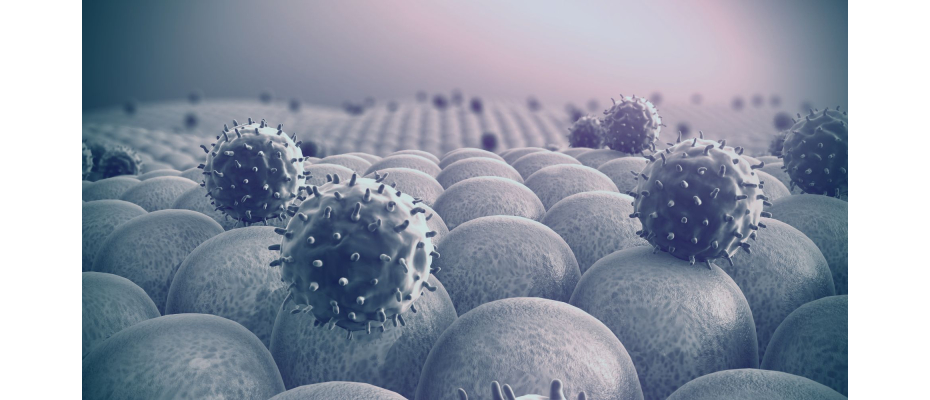
The Immune System's Hidden Architecture
The race to decode the human immune system just reached a critical milestone. Researchers at Spain's National Center for Genomic Analysis (CNAG) have completed what may be the most comprehensive cellular atlas of inflammation to date, mapping 6.5 million immune cells across multiple disease states. The work, published in Science Advances, represents a fundamental shift in how scientists can visualize and understand the cellular mechanisms driving 19 different diseases.
This isn't merely an incremental advance in genomics. The sheer scale of the mapping effort—capturing millions of individual cells rather than tissue samples or bulk sequencing data—provides researchers with granular insights into how immune responses vary from patient to patient and disease to disease. The implications ripple across immunology, oncology, and inflammatory disease research.
What Makes This Atlas Different
Traditional approaches to studying immune cells relied on averaging data across thousands or millions of cells, obscuring the heterogeneity that defines real disease biology. CNAG's approach uses single-cell genomics to preserve cellular identity and function, revealing:
- Cell-to-cell variation within immune populations previously thought homogeneous
- Disease-specific signatures that distinguish inflammatory profiles across 19 conditions
- Functional relationships between immune subsets that drive disease progression
- Therapeutic targets previously hidden in population-level data
The research leverages advanced computational methods to process and interpret this massive dataset, turning raw sequencing data into actionable biological insights. According to the published research, the team identified previously unknown cellular states and interactions that reshape our understanding of inflammation.
From Bench to Bedside
The 19 diseases covered in this atlas span multiple therapeutic areas—from autoimmune conditions to cancer to infectious disease. By establishing a reference map of healthy immune function and comparing it against disease states, researchers can now:
- Identify disease biomarkers with cellular precision
- Predict treatment response based on individual immune profiles
- Design targeted therapies that account for cellular heterogeneity
- Accelerate drug discovery by validating mechanisms in human cells
This approach addresses a critical gap in translational medicine: most drug development relies on animal models or simplified in vitro systems that fail to capture the complexity of human immune responses. A cellular atlas grounded in human biology offers a more reliable foundation for therapeutic development.
Competitive Landscape and Future Directions
The immune cell mapping space has become increasingly crowded, with institutions worldwide racing to build comprehensive atlases. However, CNAG's focus on disease-specific mapping—rather than simply cataloging healthy immune cells—positions this work as particularly valuable for drug developers and clinicians seeking to understand pathology at the cellular level.
The research also demonstrates the growing importance of artificial intelligence in genomics. Processing and interpreting data from millions of cells requires sophisticated machine learning pipelines to identify patterns, classify cell types, and predict functional relationships. CNAG's integration of AI into their analytical workflow reflects a broader industry trend toward AI-driven discovery in life sciences.
What's Next
The publication of this atlas opens new avenues for validation and application. Academic researchers can now use the dataset as a reference to contextualize their own findings. Pharmaceutical companies can mine the data for novel therapeutic targets. Clinicians may eventually use immune profiling based on this atlas to personalize treatment decisions.
The real test will come in the next phase: translating these cellular insights into clinical benefits. The gap between a comprehensive atlas and an approved therapeutic remains substantial, but CNAG's work provides the foundational knowledge that makes that translation possible.
For the broader genomics and immunology communities, this atlas represents a watershed moment—proof that we can now map human biology at unprecedented scale and resolution, and that doing so reveals disease mechanisms invisible to earlier technologies.
Tags
Sources
Enjoyed this article?
Get the top AI stories delivered to your inbox every week. No spam, just the news that matters.
Join our weekly newsletter. Unsubscribe anytime.