
Meta's VR Headset Sales Plummet as Company Doubles Down on AI Glasses Strategy
Meta's Quest VR headset shipments have declined 16% as the company redirects resources toward developing AI glasses, marking a significant pivot in its hardware strategy and raising questions about the future of its metaverse ambitions.
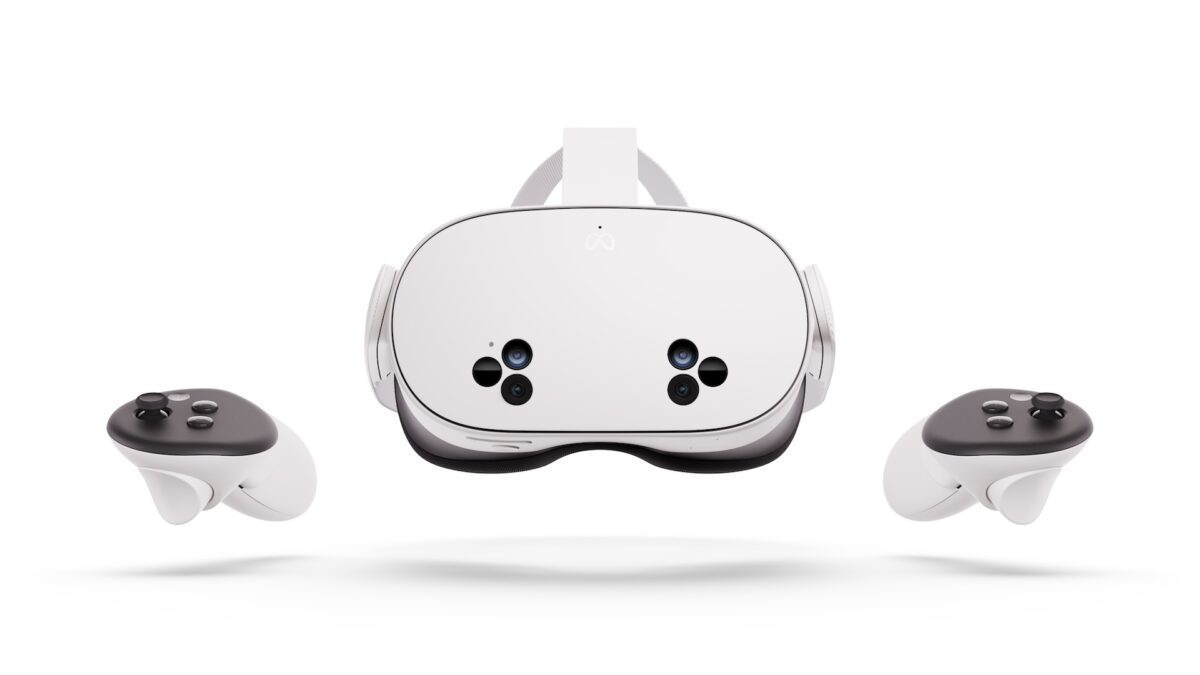
The Metaverse's Moment of Reckoning
The race for wearable computing supremacy just shifted dramatically. Meta's reported 16% drop in Quest VR headset shipments signals more than a quarterly stumble—it reflects a fundamental recalibration of the company's hardware roadmap. While competitors like Apple and Microsoft continue investing in mixed reality, Meta is making a calculated bet that AI-powered glasses, not immersive VR, represent the future of human-computer interaction.
This pivot raises a critical question: Is the metaverse experiment being quietly shelved?
The Numbers Behind the Decline
Meta's Quest lineup, once positioned as the gateway to the metaverse, is experiencing measurable market pressure. The 16% shipment decline comes as the company accelerates development of its AI glasses initiative—a project that represents a fundamental departure from the immersive virtual reality vision that defined Meta's hardware strategy for nearly a decade.
The timing is significant. While Meta continues selling Quest 3S units at competitive price points, the company's internal focus has visibly shifted. Engineering resources, marketing budgets, and executive attention are increasingly directed toward augmented reality and AI integration rather than pure VR experiences.
Strategic Context: Why the Pivot?
Several factors explain Meta's recalibration:
- Market Reality: VR adoption has plateaued at roughly 15-20% of the addressable consumer market globally. The metaverse narrative, once Meta's defining vision, failed to achieve mainstream penetration.
- AI Momentum: Large language models and generative AI have captured both consumer interest and investor capital. AI glasses—devices that blend AR capabilities with conversational AI—represent a more immediately practical use case.
- Competitive Pressure: Apple's Vision Pro and Microsoft's HoloLens 2 have demonstrated that mixed reality, not pure VR, commands premium pricing and enterprise interest.
- Hardware Economics: VR headsets operate in a crowded, low-margin market. AI glasses, positioned as the next computing platform, offer higher perceived value and differentiation potential.
What This Means for Meta's Hardware Ecosystem
The Quest decline doesn't signal an immediate discontinuation of VR products. Meta will likely maintain the Quest line as a budget-friendly entry point while channeling premium development efforts toward AI glasses. This two-tier strategy mirrors how the company approached smartphones versus tablets.
However, the resource reallocation has real consequences:
- Fewer software developers will prioritize VR game and application development
- Third-party hardware manufacturers may reduce Quest accessory investment
- The metaverse narrative—central to Meta's brand positioning since 2021—will fade from corporate messaging
The Broader Industry Implication
Meta's pivot validates a growing industry consensus: the metaverse as originally envisioned (persistent, immersive virtual worlds) was a solution in search of a problem. Consumers and enterprises alike have shown stronger interest in practical AR applications—navigation, real-time translation, contextual information overlays—than in spending hours in virtual environments.
This doesn't mean VR is dead. Specialized applications in gaming, training, and simulation will persist. But the era of VR as a mainstream computing platform appears to have ended before it truly began.
Looking Ahead
Meta's AI glasses initiative remains in development, with no confirmed launch date or pricing. The company claims the devices will integrate advanced AI capabilities with lightweight AR optics—a technical challenge that has eluded competitors for years.
The real test will come when these devices reach market. If Meta can deliver practical, affordable AI glasses that genuinely enhance daily life, the Quest shipment decline will be remembered as a strategic inflection point. If the AI glasses stumble, Meta may find itself without a clear hardware identity—a precarious position for a company that bet its future on wearable computing.
Sources
- Meta official announcements and quarterly reports
- Industry analysis on VR market adoption rates
- Competitive landscape assessments of AR/VR hardware
Tags
Enjoyed this article?
Get the top AI stories delivered to your inbox every week. No spam, just the news that matters.
Join our weekly newsletter. Unsubscribe anytime.