
Pickle's 'Soul Computer' Glasses Spark Debate Over AI Marketing and Wearable Hype
Pickle's latest AI glasses, branded as a "soul computer," have ignited scrutiny over marketing language and what AR devices can actually deliver. The startup's bold positioning raises questions about the gap between hype and reality in the wearables space.
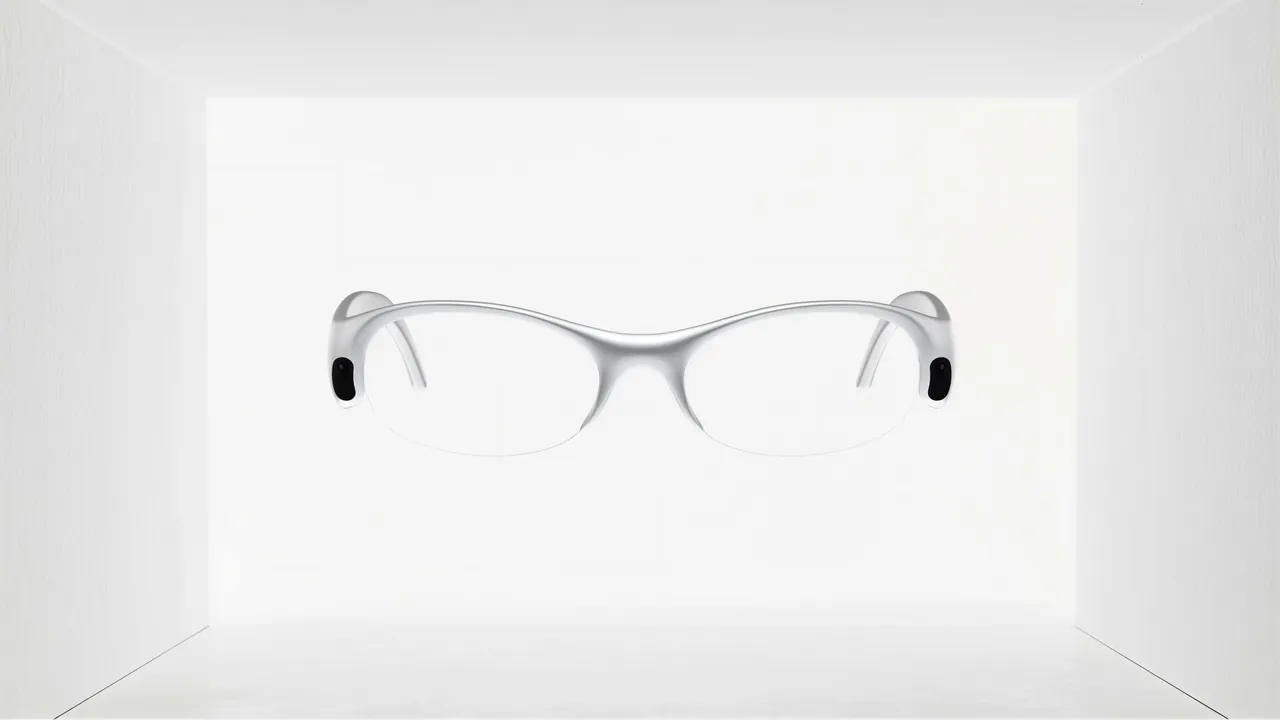
The Soul Computer Arrives—But What Does It Actually Do?
The wearables market has long been crowded with grand promises. Now, Pickle is adding fuel to the fire with its latest product: AI glasses marketed as a "soul computer." The branding choice—positioning the device as something that captures or augments the essence of human experience—has drawn immediate scrutiny from industry observers and consumers alike. The question isn't whether the hardware is functional, but whether the marketing language sets realistic expectations or oversells what augmented reality can deliver.
Marketing Language Under the Microscope
Pickle's decision to call its glasses a "soul computer" represents a significant departure from the technical nomenclature typical in the AR/VR space. Rather than focusing on processing power, battery life, or field-of-view specifications, the company has opted for aspirational, almost philosophical branding.
The core tension:
- Marketing claim: The device captures and augments human experience in deeply personal ways
- Technical reality: AR glasses perform computational tasks—image recognition, information overlay, contextual awareness
- Consumer expectation gap: Philosophical framing may promise more than silicon can deliver
This approach mirrors broader patterns in AI marketing, where companies use emotionally resonant language to describe algorithmic systems. The "soul" framing suggests something transcendent, while the actual product is a wearable computer with sensors and processors.
Industry Context: When Hype Meets Hardware
Pickle enters a landscape already saturated with AR glasses promises. Meta's Ray-Bans, Apple's Vision Pro, and others have all struggled to articulate clear use cases beyond early adopter enthusiasm. Each has faced the same fundamental challenge: convincing consumers that AR glasses solve problems they actually have.
Pickle's "soul computer" positioning attempts to reframe this conversation. Instead of asking "What can these glasses do?" the marketing asks "What can these glasses make you become?" It's a psychological pivot rather than a technical one.
Key considerations:
- Does philosophical branding obscure technical limitations?
- Are consumers equipped to evaluate such claims critically?
- What regulatory or ethical frameworks should apply to AI devices marketed with aspirational language?
The Scrutiny Factor
The attention Pickle's marketing has attracted suggests consumers and observers are increasingly skeptical of grandiose claims in the AI/AR space. Social media reactions have been mixed—some view the branding as innovative positioning, others as overreach.
This scrutiny matters because it reflects a broader maturation in how audiences evaluate emerging tech. The days of "move fast and break things" rhetoric may be giving way to demands for clarity, honesty, and demonstrated value.
What's Actually at Stake
The real issue isn't whether Pickle's glasses work—presumably they do what AR glasses do. The issue is whether marketing language that invokes concepts like "soul" and "computer" in tandem sets the stage for disappointment or misunderstanding.
For the broader AI and wearables industry, Pickle's experience serves as a case study in the limits of aspirational marketing. As these devices become more integrated into daily life, the gap between what they're marketed to do and what they actually do becomes harder to ignore.
The market will ultimately decide whether "soul computer" is inspired branding or cautionary tale.
Sources
- Pickle official product information and marketing materials
- Industry analysis of AR/VR wearables market positioning
Tags
Enjoyed this article?
Get the top AI stories delivered to your inbox every week. No spam, just the news that matters.
Join our weekly newsletter. Unsubscribe anytime.