
Nvidia Deploys Location Tracking to Combat High-Tech Chip Smuggling
Nvidia implements advanced location tracking systems on its most powerful AI chips to prevent unauthorized exports and black-market diversion. The measure targets high-demand processors like the H200 and Blackwell architecture amid geopolitical trade restrictions.
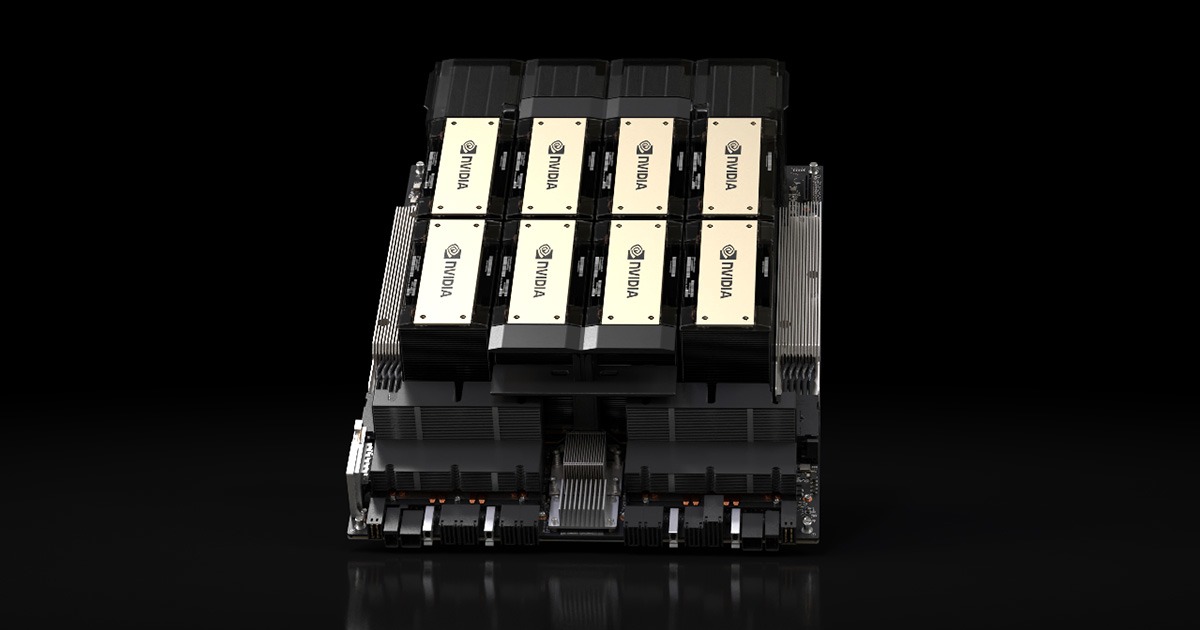
Nvidia Takes Aggressive Stance on Chip Diversion
Nvidia has implemented location tracking capabilities on its most advanced processors to combat the growing problem of chip smuggling and unauthorized exports. The move represents a significant escalation in supply chain security, embedding monitoring systems directly into high-end AI chips including the H200 and next-generation Blackwell architecture. This technical intervention aims to prevent diversion to restricted markets and unauthorized resellers in the secondary market.
The implementation reflects mounting pressure from U.S. export controls and the company's own concerns about black-market distribution of its most powerful processors. As demand for AI chips continues to surge globally, so too has the incentive for smugglers to circumvent official channels and export restrictions.
How Location Tracking Works
The location tracking systems operate through multiple technical layers:
- Geofencing protocols embedded in firmware that monitor processor activation and usage patterns
- Real-time telemetry that reports device location data back to Nvidia's systems
- Activation restrictions that prevent chips from operating in certain geographic regions
- Supply chain verification that ties each processor to authorized distributors and end-users
These mechanisms allow Nvidia to maintain visibility over high-value chips throughout their lifecycle, from manufacturing through deployment. The system can flag anomalies when processors activate in unexpected locations or are transferred between unauthorized parties.
Geopolitical Context and Export Controls
The initiative sits at the intersection of U.S. national security policy and commercial competition. The Biden administration has implemented strict export controls on advanced semiconductors destined for China and other strategic competitors, citing concerns about military applications and AI development capabilities. Nvidia's H200 and Blackwell chips—among the world's most powerful processors for artificial intelligence workloads—fall squarely within these restrictions.
Black-market demand remains substantial. Smugglers have developed sophisticated networks to acquire restricted chips through intermediaries, shell companies, and transshipment hubs. Nvidia's location tracking represents an attempt to make such diversions technically infeasible rather than merely illegal.
Industry Implications
The approach signals a broader shift in how semiconductor manufacturers approach supply chain security. Rather than relying solely on legal frameworks and export enforcement, Nvidia is embedding security directly into the silicon itself.
Potential consequences include:
- Enhanced transparency for enterprise customers regarding chip deployment
- Reduced availability of Nvidia processors in unauthorized channels
- Possible privacy concerns around location data collection
- Increased operational complexity for legitimate users in restricted regions
Competitors like AMD and Intel may face pressure to implement similar measures, potentially becoming an industry standard for high-value semiconductor products.
Challenges and Limitations
Despite its technical sophistication, location tracking faces inherent limitations. Determined adversaries may attempt to:
- Disable or spoof location reporting systems
- Operate chips in air-gapped environments beyond network reach
- Extract and repurpose silicon components
- Exploit firmware vulnerabilities
The effectiveness of Nvidia's system will ultimately depend on continuous updates, robust encryption, and integration with broader supply chain monitoring efforts by U.S. government agencies.
Looking Forward
Nvidia's location tracking initiative represents a pragmatic response to a complex problem at the intersection of technology, commerce, and national security. While it cannot eliminate smuggling entirely, the system raises the technical and operational barriers significantly.
As AI chip demand continues accelerating and geopolitical tensions persist, similar security measures are likely to become standard practice across the semiconductor industry. The approach also underscores how hardware manufacturers are increasingly taking direct responsibility for controlling their products' distribution and use—a trend with implications far beyond the chip market.
Key Sources
- Nvidia official announcements regarding supply chain security initiatives
- U.S. Department of Commerce export control regulations on advanced semiconductors
- Industry analysis on semiconductor supply chain vulnerabilities and black-market dynamics
Tags
Enjoyed this article?
Get the top AI stories delivered to your inbox every week. No spam, just the news that matters.
Join our weekly newsletter. Unsubscribe anytime.