Organizations Double Down on Cybersecurity Spending as AI-Powered Attacks Accelerate
As artificial intelligence becomes a primary vector for sophisticated cyberattacks, enterprises are dramatically expanding their security budgets to defend against an evolving threat landscape that traditional defenses can no longer contain.
Organizations Double Down on Cybersecurity Spending as AI-Powered Attacks Accelerate
The convergence of artificial intelligence and cybercrime is forcing organizations worldwide to fundamentally rethink their security investments. With AI-driven threats becoming increasingly sophisticated and difficult to detect, enterprises are allocating substantially larger budgets to cybersecurity infrastructure, threat detection systems, and specialized personnel to combat attacks that leverage machine learning and automation.
The AI Threat Landscape Shifts
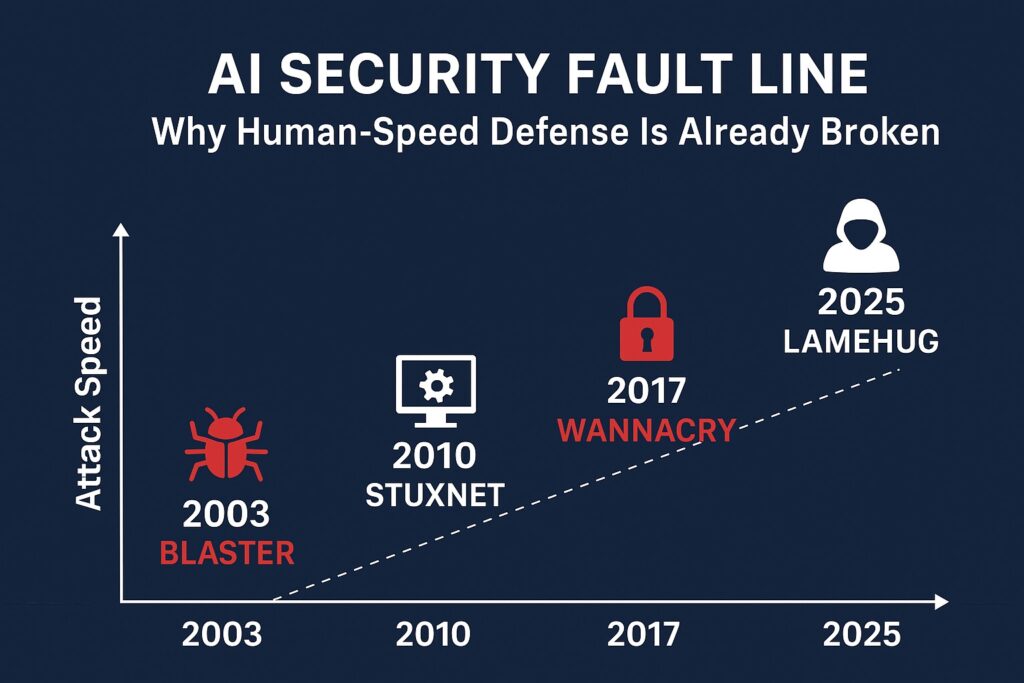
Traditional cybersecurity approaches—rule-based detection systems, signature matching, and static defenses—are proving inadequate against adversaries wielding AI-powered tools. These advanced threats operate at machine speed, adapting in real-time to evade detection and exploit vulnerabilities faster than human analysts can respond. Attackers now use AI to:
- Generate polymorphic malware that constantly changes its code signature
- Automate reconnaissance and vulnerability scanning across enterprise networks
- Craft highly personalized phishing campaigns with near-perfect social engineering
- Accelerate the exploitation timeline from discovery to deployment
The sophistication gap between defenders and attackers has widened considerably, creating an urgent need for organizations to upgrade their defensive capabilities.
Budget Expansion Across Sectors
Organizations across financial services, healthcare, critical infrastructure, and technology sectors are responding with significant budget increases. Security teams are prioritizing:
- AI-powered detection systems that use machine learning to identify anomalous behavior and zero-day exploits
- Extended detection and response (XDR) platforms that correlate data across multiple security tools
- Threat intelligence platforms that leverage AI to predict and contextualize emerging attack patterns
- Security operations center (SOC) expansion with specialized personnel trained in AI-driven threat analysis
The investment reflects a hard reality: the cost of a major breach now far exceeds the expense of proactive defense modernization. Enterprise leaders recognize that legacy security architectures cannot withstand coordinated AI-powered attacks.
The Talent and Technology Challenge
Beyond budget allocation, organizations face a critical talent shortage. The demand for cybersecurity professionals skilled in AI, machine learning, and advanced threat analysis significantly outpaces supply. This talent gap is driving:
- Higher compensation packages for specialized security roles
- Investment in training and certification programs
- Increased reliance on managed security service providers (MSSPs) with AI capabilities
- Automation of routine security tasks to maximize existing team efficiency
Technology investments are equally critical. Organizations are deploying behavioral analytics platforms, automated incident response systems, and AI-driven vulnerability management tools that can process and prioritize threats at scale.
Strategic Implications
The shift toward AI-augmented cybersecurity represents a fundamental transformation in how organizations approach defense. Rather than attempting to prevent all attacks, modern security strategies focus on rapid detection, containment, and response—capabilities that require both advanced technology and human expertise working in concert.
This evolution also highlights a broader strategic challenge: organizations must invest in cybersecurity not as a cost center, but as a competitive advantage. Companies that successfully integrate AI-powered defenses will be better positioned to protect customer data, maintain operational continuity, and comply with increasingly stringent regulatory requirements.
Key Sources
- Cybersecurity and Infrastructure Security Agency (CISA) threat advisories on AI-enabled attack vectors
- Industry analyst reports on enterprise security spending trends and ROI metrics
- Enterprise security vendor research on detection and response capabilities
The trajectory is clear: cybersecurity budgets will continue to rise as long as AI-powered threats remain ascendant. Organizations that move decisively to modernize their security posture now will be better equipped to defend against the threats of tomorrow.
Tags
Enjoyed this article?
Get the top AI stories delivered to your inbox every week. No spam, just the news that matters.
Join our weekly newsletter. Unsubscribe anytime.