Replit's Text-to-iPhone App Feature Disrupts the Mobile Development Landscape
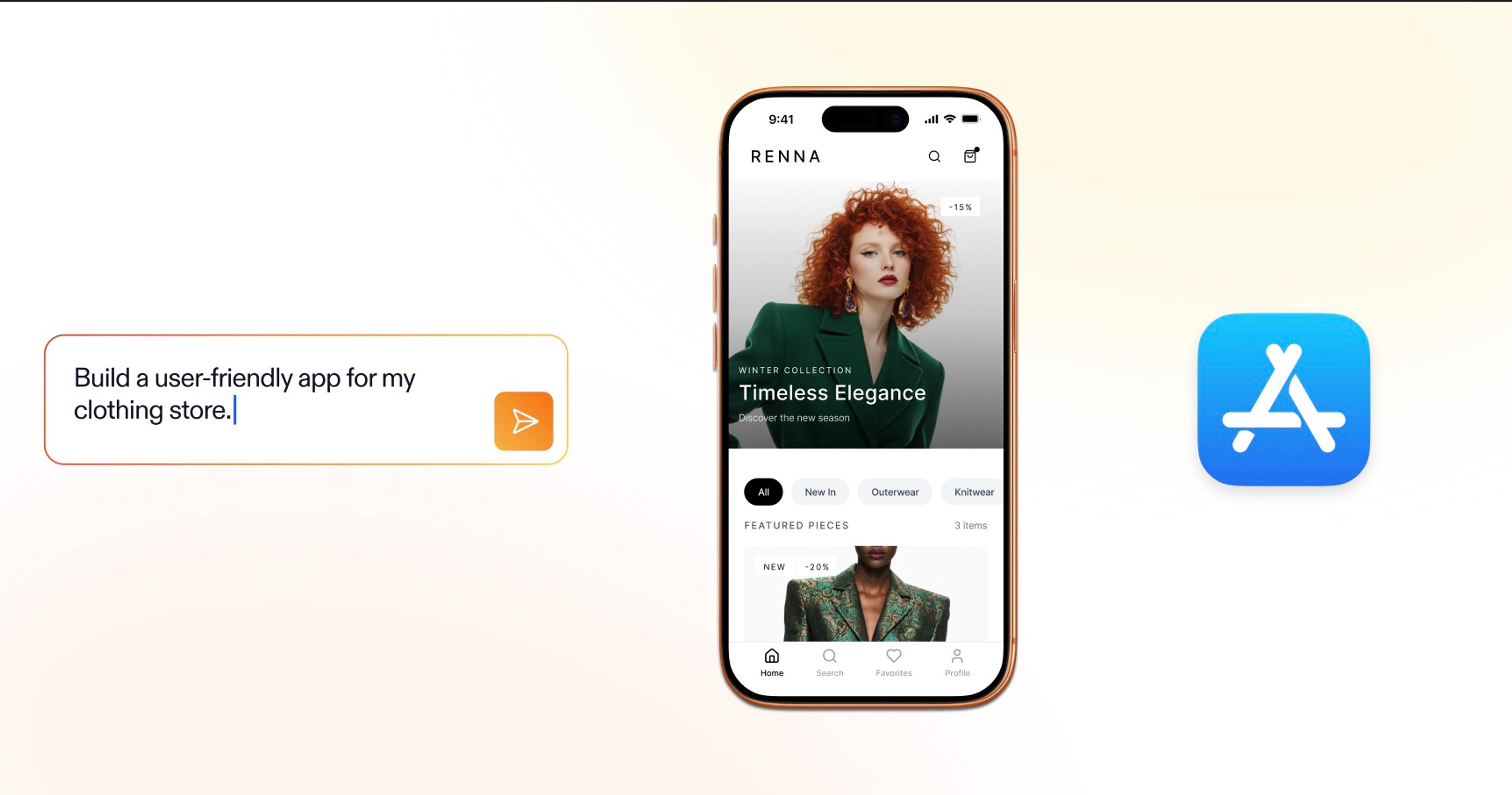
Replit now enables developers to build iPhone applications using natural language commands, dramatically lowering barriers to iOS app creation. The platform's new "vibe coding" feature lets users create production-ready apps in minutes without traditional coding knowledge.
The Democratization of iOS Development Has Arrived
The mobile app development market just shifted. Replit has introduced a capability that fundamentally changes how iPhone applications get built—users can now create fully functional iOS apps using nothing but text commands. This isn't incremental improvement; it's a direct challenge to the gatekeeping that has traditionally surrounded native mobile development.
For years, iOS app creation required mastery of Swift, Xcode, and Apple's development ecosystem. That barrier meant only trained developers could participate in the iPhone economy. Replit's new mobile apps feature collapses that requirement, enabling anyone with an idea and natural language fluency to ship production-grade applications.
How the Feature Works
The mechanics are straightforward but powerful:
- Natural Language Input: Users describe their app concept in plain English or other languages
- AI-Powered Generation: Replit's AI interprets the request and generates the underlying code
- Native iOS Output: The system produces Swift code optimized for the App Store
- Integrated Deployment: Apps can be published directly to Apple's ecosystem
According to Replit's documentation, the platform handles the entire pipeline—from initial concept through App Store submission. This eliminates the need for developers to wrestle with Xcode's complexity or memorize Swift syntax.
The feature also includes built-in Stripe integration, meaning developers can monetize their apps immediately without additional payment infrastructure setup.
The Competitive Implications
This move positions Replit directly against traditional iOS development tools and emerging no-code platforms. The company claims users can move from idea to App Store in minutes, a timeline that would have been impossible just months ago.
The broader context matters: AI-assisted development is fragmenting the developer tools market. Companies like GitHub (with Copilot), Amazon (with CodeWhisperer), and now Replit are racing to embed AI into the creation process. Each is betting that natural language will become the primary interface for software development.
9to5Mac's analysis notes the feature works but cautions against overconfidence, pointing out that while simple apps generate reliably, complex applications still require human oversight and refinement.
What This Means for the Developer Ecosystem
The implications extend beyond convenience:
- Market Entry: Non-technical entrepreneurs can now validate app ideas without hiring developers
- Skill Displacement: Traditional iOS developer roles may shift toward code review and architecture rather than implementation
- Quality Questions: App Store quality standards may face pressure as volume increases
- Opportunity Expansion: The addressable market for app creation expands dramatically
Replit's mobile apps platform is available now, with the Replit app itself available on the App Store.
The Reality Check
This capability doesn't eliminate the need for skilled developers—it changes what they do. Building a viable business around an app still requires understanding user needs, market fit, and operational excellence. AI can generate code; it cannot generate strategy.
But for the first time, technical implementation is no longer the bottleneck. That's a meaningful shift in how software gets created, and it's happening now.
Tags
Sources
Enjoyed this article?
Get the top AI stories delivered to your inbox every week. No spam, just the news that matters.
Join our weekly newsletter. Unsubscribe anytime.