Robinhood CEO Predicts AI Will Spark a 'Work Singularity,' Not Mass Layoffs
Robinhood's CEO argues AI will transform the workforce through entrepreneurial opportunity rather than displacement, challenging the prevailing narrative of job destruction in the age of artificial intelligence.
The AI Job Debate Heats Up
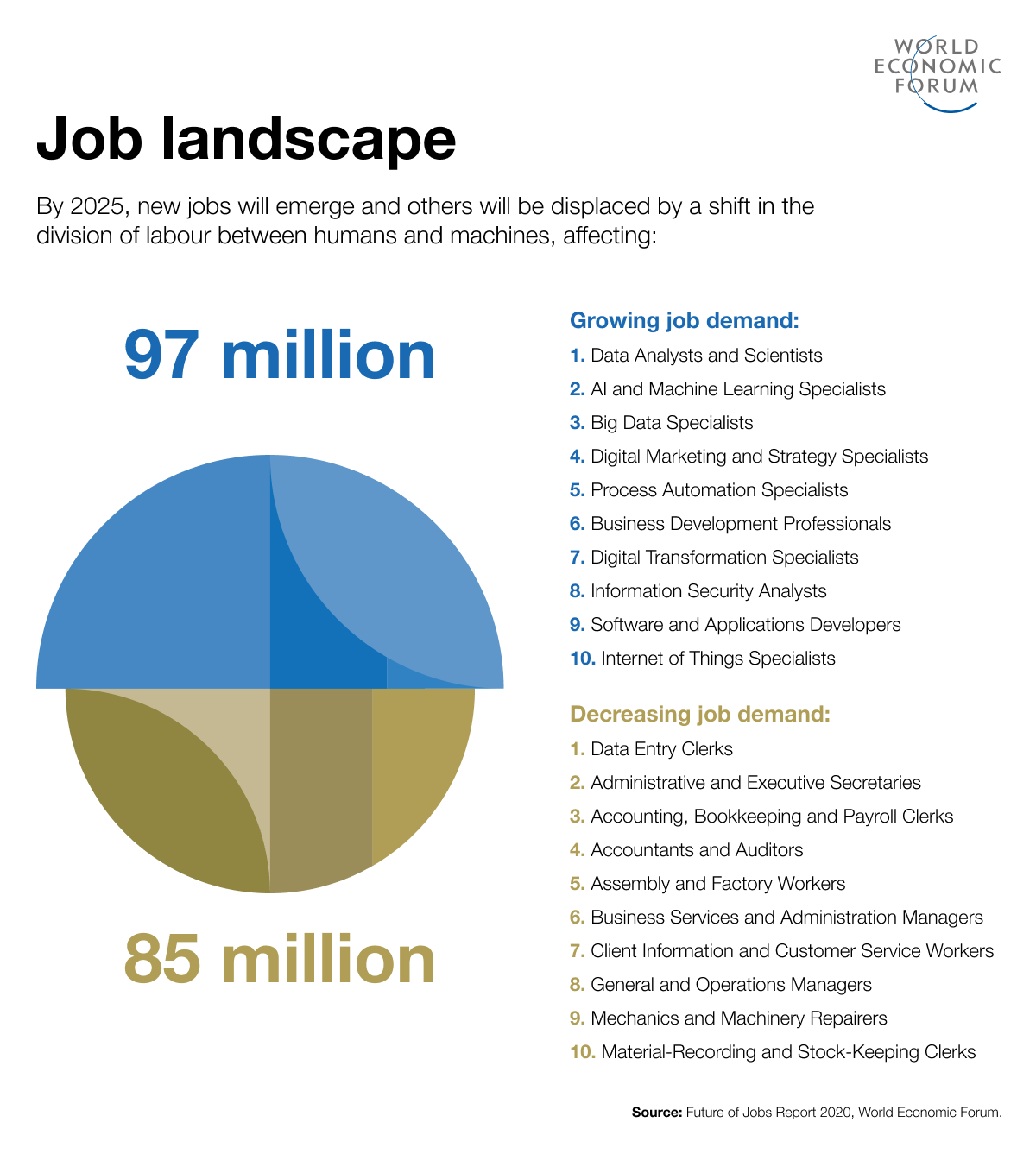
The narrative around artificial intelligence and employment has become increasingly polarized. While tech pessimists warn of mass layoffs and economic disruption, Robinhood's CEO is pushing back against the doomsday scenario, arguing instead that we're entering a transformative period of workforce evolution rather than wholesale job destruction.
This contrarian view matters because it challenges the dominant discourse shaping policy decisions, investor sentiment, and worker anxiety across industries. The question isn't whether AI will change work—it will. The real debate is whether that change leads to opportunity or catastrophe.
The 'Work Singularity' Thesis
According to Robinhood's leadership, AI will spark what they call a "job singularity", characterized by rapid job creation and an entrepreneurial boom rather than mass displacement. The argument rests on historical precedent: previous technological revolutions—from the printing press to the internet—initially sparked fears of obsolescence but ultimately created more jobs than they destroyed.
The CEO's position suggests several key dynamics:
- New job categories will emerge faster than existing roles disappear
- Entrepreneurial barriers will lower as AI tools democratize business creation
- Productivity gains will expand economic capacity, generating new demand
- Skill transformation will matter more than wholesale job loss
Historical Parallels and Skepticism
Tenev has compared current AI anxieties to early doubts about the digital era, noting that similar warnings preceded the internet boom. However, this comparison warrants scrutiny. While the internet did create net job growth, it also displaced specific sectors and created significant transitional hardship for workers in affected industries.
The fintech sector itself—Robinhood's domain—exemplifies this complexity. Digital trading platforms destroyed traditional brokerage jobs while creating new roles in tech, compliance, and customer support. The net effect was positive for the economy but devastating for individuals in displaced roles.
The Entrepreneurial Opportunity Angle
Where Robinhood's thesis becomes more compelling is in the entrepreneurial dimension. AI tools are genuinely lowering barriers to entry for small business creation. Founders can now automate customer service, content creation, and basic accounting without hiring specialized staff. This democratization could indeed spark a wave of new ventures.
The company's perspective emphasizes this opportunity, suggesting that rather than fearing AI, workers should view it as a tool for launching independent ventures. For a platform like Robinhood—which profits from increased market participation and trading activity—this narrative aligns with commercial interests.
What's Missing from the Narrative
The CEO's optimistic framing glosses over critical transition challenges:
- Timing mismatches: Job creation may lag job destruction by years or decades
- Skill gaps: Workers displaced from one sector may lack qualifications for emerging roles
- Geographic concentration: New opportunities may concentrate in tech hubs, leaving other regions behind
- Income inequality: AI-driven productivity gains may accrue primarily to capital owners rather than workers
The Bottom Line
Robinhood's CEO isn't wrong that AI will create opportunities. History suggests technological transformation generates net job growth over long timeframes. But the path from here to there involves real disruption, and the burden of transition shouldn't fall solely on individual workers.
The "work singularity" may indeed arrive—but whether it feels like opportunity or catastrophe depends largely on whether policymakers, companies, and educational institutions actively manage the transition rather than simply hoping market forces sort it out.
Tags
Enjoyed this article?
Get the top AI stories delivered to your inbox every week. No spam, just the news that matters.
Join our weekly newsletter. Unsubscribe anytime.