TikTok's AI Age Detection Faces Privacy Scrutiny in European Rollout
TikTok is deploying AI-driven age verification across Europe to comply with stricter child safety regulations, but the technology raises significant privacy concerns about facial recognition and data retention.
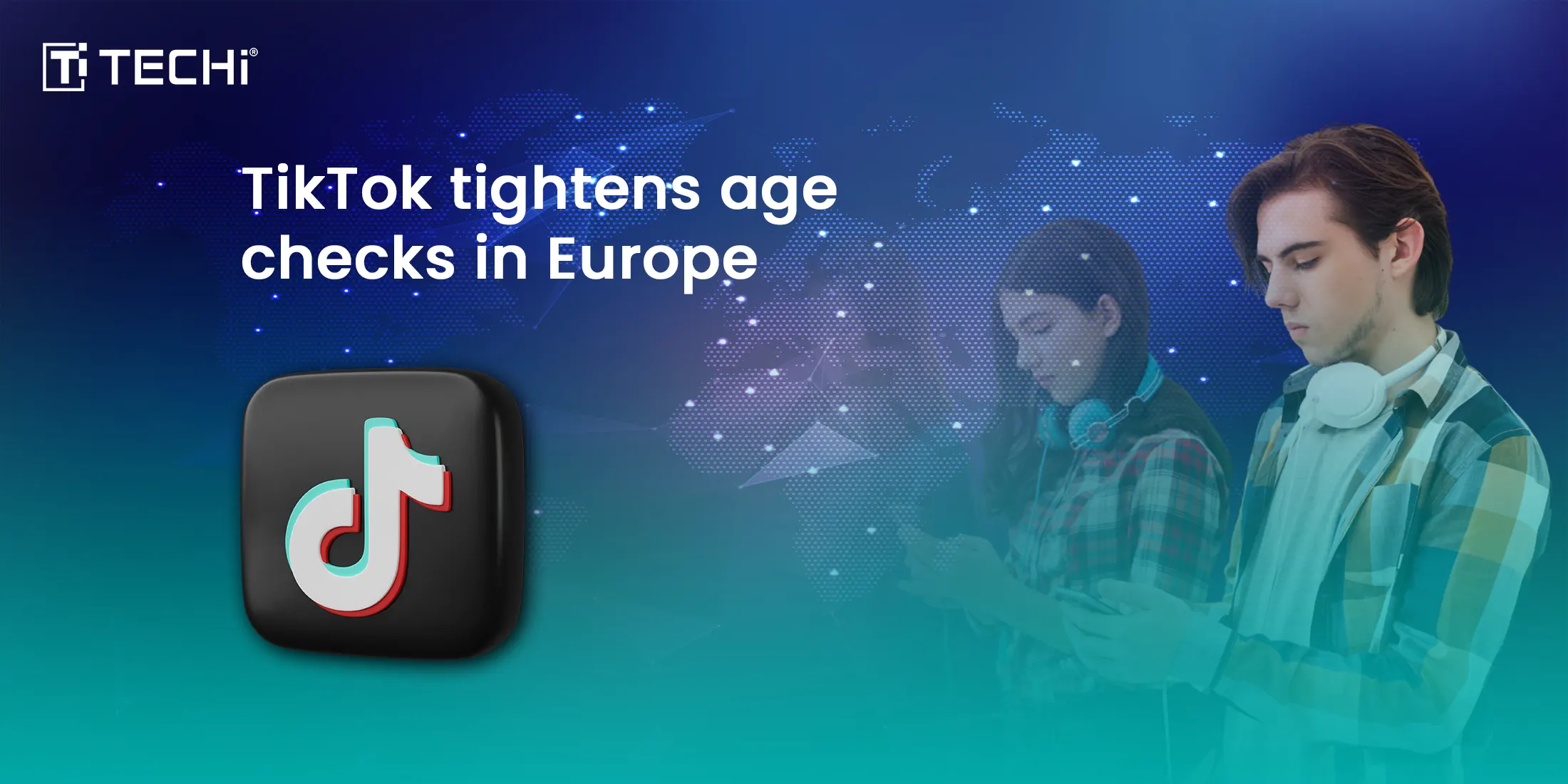
The Regulatory Pressure Behind TikTok's Age Detection Push
The battle for regulatory compliance in Europe just intensified. TikTok is rolling out AI-powered age detection technology across the continent as governments tighten restrictions on child safety and data protection. This move reflects a broader industry shift toward automated age verification, driven by the EU's Digital Services Act and similar regional mandates that demand platforms demonstrate concrete efforts to shield minors from inappropriate content.
The timing is critical. European regulators have made clear that platforms failing to implement robust age-gating mechanisms face substantial fines and operational restrictions. TikTok's decision to deploy AI-based solutions rather than relying solely on user-submitted documentation signals a recognition that traditional verification methods are insufficient—and increasingly untenable under scrutiny.
How TikTok's AI Age Detection Works
According to TikTok's official statements, the technology leverages computer vision and machine learning to estimate user age from video submissions or facial analysis. The system aims to:
- Identify underage users attempting to access age-restricted content
- Flag accounts that may violate platform policies protecting children
- Automate enforcement at scale across millions of European users
- Reduce reliance on manual moderation and user self-reporting
However, TikTok has been notably transparent about a critical trade-off: the technology requires processing biometric data, raising questions about how long facial information is retained and who has access to it.
The Privacy Paradox
This is where the story becomes complicated. TikTok has warned that implementing age detection involves privacy trade-offs that users and regulators must understand. The company faces a genuine dilemma: European child safety regulations demand age verification, yet the same regulatory framework (GDPR) imposes strict limits on biometric data processing.
Key concerns include:
- Data minimization: How much facial data must TikTok retain to verify age effectively?
- Consent frameworks: Can minors legally consent to biometric processing, even for their own protection?
- Third-party involvement: Will TikTok partner with external age verification vendors, creating additional data exposure?
- Accuracy and bias: Do AI age detection systems perform equally across different ethnicities and demographics?
Competitive Context and Industry Implications
TikTok is not alone in this space. Other platforms including Meta and YouTube have experimented with age verification technologies, though most have encountered similar privacy obstacles. TikTok's European rollout positions the platform as a first-mover in deploying AI-driven solutions at scale, potentially setting a precedent for how the industry approaches age gating.
The stakes extend beyond compliance. Success could strengthen TikTok's regulatory standing in Europe, while failures—whether technical glitches or privacy breaches—could invite renewed calls for stricter oversight or even platform restrictions.
What's Next
The rollout will likely unfold in phases, with TikTok monitoring accuracy rates and user friction before full deployment. Regulators will watch closely to assess whether AI-based age detection meaningfully reduces child exposure to harmful content or merely creates an illusion of protection while expanding surveillance capabilities.
For users, the message is clear: European TikTok accounts will soon face more intrusive verification processes. Whether that trade-off is worth the promised safety benefits remains an open question.
Tags
Enjoyed this article?
Get the top AI stories delivered to your inbox every week. No spam, just the news that matters.
Join our weekly newsletter. Unsubscribe anytime.