
ASUS Exits Smartphone Market to Double Down on AI and Robotics
ASUS is pausing smartphone production in 2026 to redirect resources toward AI and robotics development. The strategic pivot marks a significant shift in the company's hardware portfolio as it abandons the competitive mobile market.
The Smartphone Exodus Continues
The smartphone market just lost another heavyweight contender. ASUS has confirmed it will halt smartphone production in 2026, marking a dramatic departure from a sector where the company once competed with gaming-focused ROG phones and mainstream devices. This isn't a temporary pause—it's a strategic reallocation of resources toward artificial intelligence and robotics, two sectors where ASUS believes the real growth opportunity lies.
The decision underscores a broader industry trend: traditional smartphone manufacturers are increasingly questioning whether the mobile market's maturity justifies continued investment. According to reports, ASUS is going "all-in on AI", signaling that the company sees greater potential in emerging technologies than in incremental phone upgrades.
Why ASUS Is Walking Away
The smartphone market has become a brutal battleground dominated by Apple, Samsung, and Chinese manufacturers. ASUS's decision to skip phones in 2026 reflects the reality that competing in this space requires massive R&D investment for diminishing returns. The company's ROG gaming phones carved out a niche, but even specialized segments struggle against better-capitalized competitors.
The Strategic Pivot
ASUS's move makes financial sense when examined through a capital allocation lens:
- AI Infrastructure: The artificial intelligence market is experiencing explosive growth, with enterprise and consumer demand far outpacing supply
- Robotics Development: Humanoid robots and autonomous systems represent a multi-billion-dollar opportunity
- Reduced Competition: Unlike smartphones, these sectors are less saturated with established players
- Higher Margins: AI accelerators and robotics solutions typically command better profit margins than commodity phones
Some analysts argue this decision isn't necessarily negative for ASUS's brand, pointing out that the company can maintain its reputation through other product categories while pursuing more promising ventures.
What This Means for Consumers
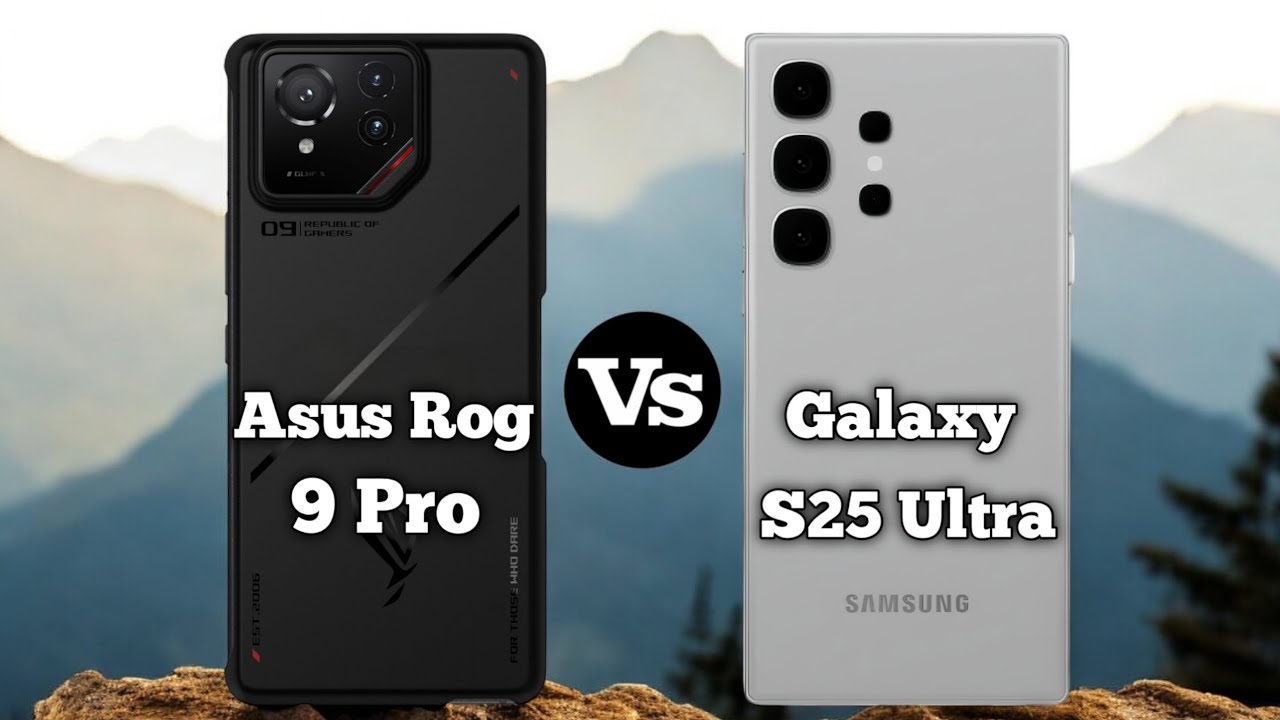
For ASUS phone enthusiasts, the news stings. The ROG Phone 9 Pro represented the company's latest flagship gaming device, and there won't be a successor in 2026. The pause in smartphone launches eliminates a credible alternative for users seeking gaming-optimized handsets.
However, ASUS's exit could paradoxically benefit the broader market by allowing the company to focus on technologies where it can genuinely innovate rather than chase Samsung and Apple's shadow.
The Bigger Picture
ASUS's departure from smartphones reflects a fundamental shift in how technology companies allocate capital. As AI becomes increasingly central to computing, manufacturers are repositioning themselves to capture value in software and intelligent systems rather than hardware commoditization.
The company joins a growing list of firms reassessing their smartphone strategies, though few have made such a decisive break. Whether this gamble on AI and robotics pays off will determine whether ASUS's exit was visionary or premature.
Tags
Enjoyed this article?
Get the top AI stories delivered to your inbox every week. No spam, just the news that matters.
Join our weekly newsletter. Unsubscribe anytime.