China Halts Nvidia H200 Imports, Disrupting Global AI Chip Supply Chain
China has blocked imports of Nvidia's H200 AI chips, creating supply chain disruptions for manufacturers worldwide. The move escalates tech tensions despite US export approvals.
The Geopolitical Chip War Intensifies
The competition for AI dominance just took a sharp turn. China has blocked imports of Nvidia's H200 chips, halting production at multiple suppliers and signaling a dramatic shift in how nations are weaponizing semiconductor access. Despite receiving US export clearance, the advanced processors face an unexpected barrier in one of the world's largest markets—a move that underscores the fragile nature of global AI infrastructure.
What's Happening
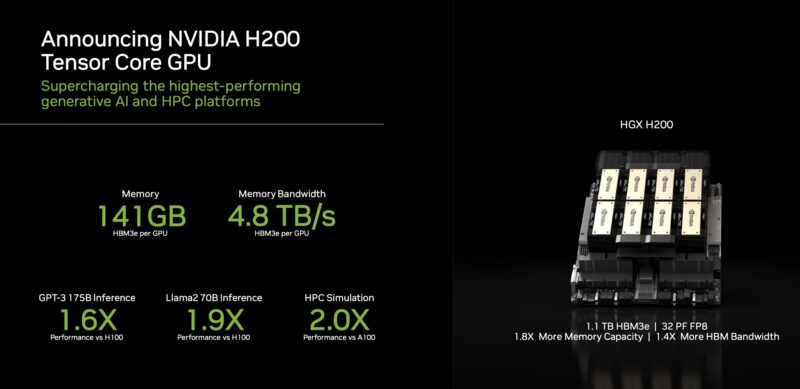
According to reports, Chinese authorities have effectively stopped the flow of Nvidia's H200 accelerators into the country. The H200, Nvidia's flagship AI inference chip featuring 141GB of HBM3E memory, represents a critical component for data centers and AI applications. The import freeze has cascading effects:
- Production halts at suppliers dependent on Chinese manufacturing or distribution networks
- Supply chain bottlenecks for companies planning H200-based deployments
- Market uncertainty around future availability in Asia-Pacific regions
The move comes despite US approval, highlighting a critical disconnect: Washington cleared the exports, but Beijing has other plans.
The Strategic Context
This isn't merely a trade dispute—it's a calculated response in the ongoing semiconductor cold war. China has been systematically building domestic AI chip capabilities while simultaneously restricting access to cutting-edge foreign technology. The H200 blockade serves multiple purposes:
- Leverage: Pressuring the US on trade and technology restrictions
- Domestic development: Buying time for Chinese chipmakers to close the performance gap
- Retaliation: Responding to ongoing US export controls on advanced semiconductors
The timing is significant. Nvidia has been navigating complex export restrictions for years, with the US government limiting sales of its most powerful chips to China. This latest move suggests Beijing is now willing to use its own import controls as a countermeasure.
Impact on the Supply Chain
The real damage extends beyond China's borders. Suppliers who manufacture components for H200 systems or integrate them into larger solutions face production delays. Companies that had planned to scale AI infrastructure in China must now recalibrate their strategies.
Market observers note that the blockade could accelerate China's investment in homegrown alternatives, potentially fragmenting the global AI chip market into competing ecosystems—one Western-led, one Chinese-led.
What's Next
The H200 import freeze raises uncomfortable questions about the future of global technology supply chains. If major economies can unilaterally block semiconductor imports, companies face unprecedented uncertainty in long-term planning. Nvidia may seek diplomatic solutions, but the fundamental issue—geopolitical competition for AI supremacy—won't be resolved through corporate channels.
For now, the semiconductor industry watches closely. This move signals that the era of integrated global tech supply chains may be ending, replaced by competing blocs with their own standards, suppliers, and strategic priorities.
Tags
Enjoyed this article?
Get the top AI stories delivered to your inbox every week. No spam, just the news that matters.
Join our weekly newsletter. Unsubscribe anytime.