
The AI Productivity Paradox: Billions Invested, Gains Nowhere to Be Found
Despite massive corporate spending on artificial intelligence, productivity metrics remain stubbornly flat. Analysts now question whether AI investments are delivering real economic returns or masking deeper workforce challenges.
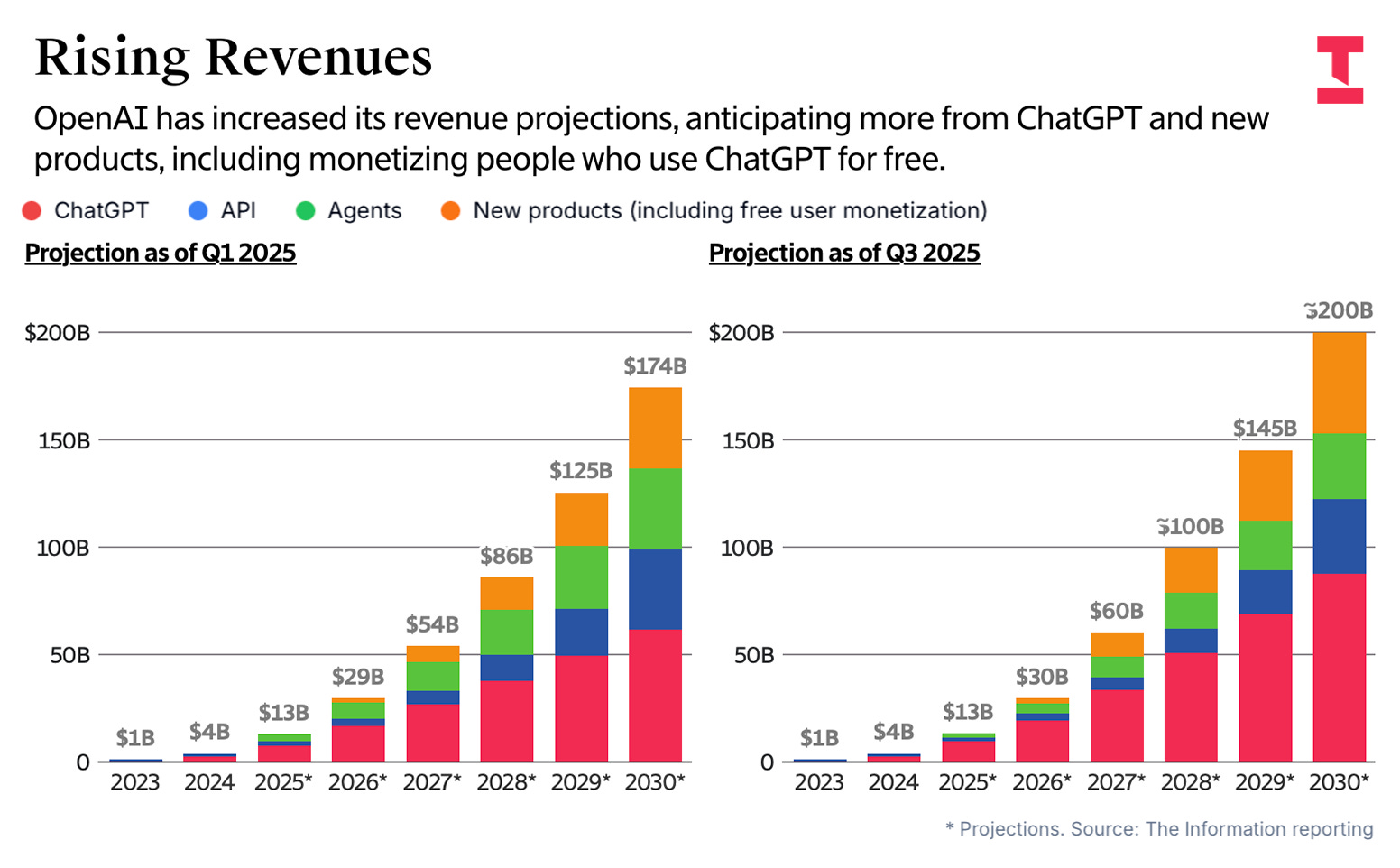
The AI Productivity Paradox
The narrative around artificial intelligence has been relentless: transformative technology, exponential returns, competitive advantage for early adopters. Yet beneath the hype lies a troubling reality. Companies have poured billions into AI infrastructure and tools, yet productivity gains remain elusive. According to World Economic Forum analysis, the timing and location of AI-driven productivity improvements remain uncertain, even as corporate spending accelerates. This disconnect raises a critical question: Are organizations investing in genuine productivity enhancement, or are they chasing a mirage?
The Investment-to-Output Gap
The scale of AI spending is undeniable. Recent data from AI statistics tracking shows enterprises continue to allocate substantial capital toward AI adoption. Yet macroeconomic data tells a different story. Labor productivity growth has remained modest despite these investments, suggesting that either AI implementation is inefficient or the technology is being deployed for purposes other than productivity gains.
Some analysts argue the problem runs deeper. According to Fortune's analysis of Oxford Economics research, companies may be using AI adoption as a convenient justification for workforce reductions rather than genuine productivity enhancement. This distinction matters: layoffs create short-term cost savings that can be mistaken for efficiency gains, masking the absence of real output improvements.
The Optimistic Counter-Narrative
Not all voices are skeptical. IBM's research suggests AI is "poised to drive smarter business growth through 2030," pointing to future potential rather than current results. Similarly, Cognizant's analysis claims AI could unlock $4.5 trillion in U.S. labor productivity, though this represents theoretical potential rather than realized gains.
The gap between promised and delivered productivity raises questions about implementation timelines and organizational readiness. MIT Sloan's 2026 trends analysis identifies emerging patterns in AI adoption, suggesting the technology may still be in early deployment phases where productivity benefits haven't yet materialized.
Labor Market Implications
The productivity question intersects with workforce dynamics. Federal Reserve analysis from St. Louis indicates AI advancements may push some workers out of the labor force entirely, raising concerns about whether AI is creating net economic value or simply redistributing employment. Canadian labor market data mirrors American trends, suggesting this is a structural issue rather than a localized phenomenon.
The Path Forward
The productivity paradox demands scrutiny. Organizations must distinguish between:
- Cost reduction (layoffs, outsourcing) versus output growth (genuine efficiency)
- Pilot projects showing promise versus enterprise-wide implementation delivering results
- Vendor claims versus independent measurement
The International Monetary Fund emphasizes that new skills and AI are reshaping work futures, suggesting the real challenge isn't technology adoption but workforce adaptation. Without proper reskilling and strategic deployment, AI investments may continue generating headlines without generating returns.
The trillion-dollar question remains unanswered: Will AI eventually deliver on its productivity promises, or have organizations mistaken technological adoption for economic progress?
Tags
Sources
Enjoyed this article?
Get the top AI stories delivered to your inbox every week. No spam, just the news that matters.
Join our weekly newsletter. Unsubscribe anytime.