
Tech Sector Faces Massive Job Cuts as AI-Driven Restructuring Accelerates
Major technology companies are eliminating over 120,000 positions as artificial intelligence reshapes workforce requirements. The wave of restructuring reflects a fundamental shift in how tech firms operate and compete in an AI-first landscape.
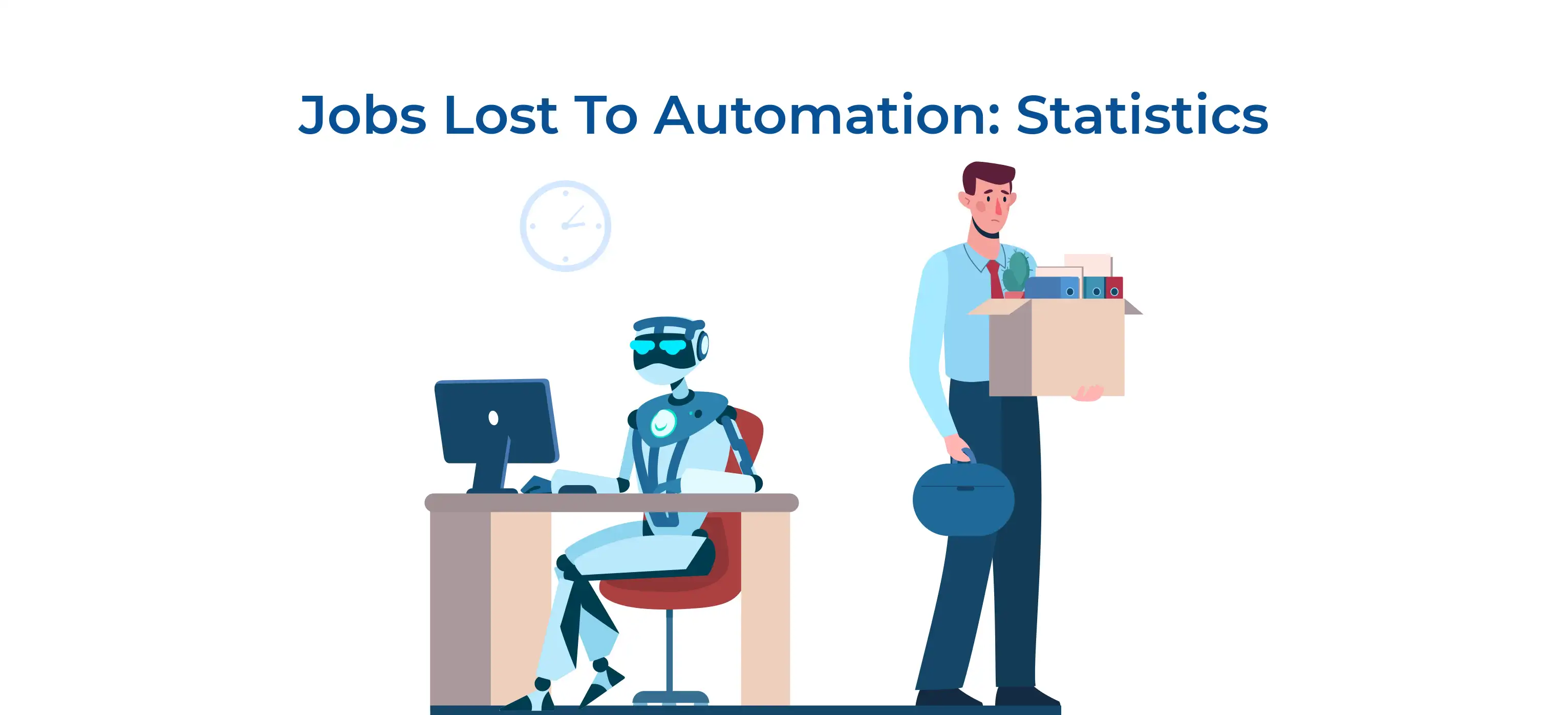
Tech Sector Faces Massive Job Cuts as AI-Driven Restructuring Accelerates
The technology sector is undergoing a seismic shift. Over the past 18 months, major tech companies have announced the elimination of more than 120,000 positions—a dramatic reduction that signals a fundamental restructuring of the industry. Unlike previous downturns driven by market cycles or economic conditions, this wave of job cuts is explicitly tied to the integration of artificial intelligence into core business operations.
The Scale of Displacement
The numbers are staggering. Companies including Meta, Amazon, Google, and Microsoft have collectively shed tens of thousands of roles. These cuts span engineering, support, and administrative functions—areas once considered stable within the tech ecosystem. The pattern is consistent: as companies deploy AI systems to automate workflows, they simultaneously reduce headcount in roles that AI can now perform or augment.
This restructuring differs fundamentally from previous tech sector downturns. Rather than responding to market saturation or failed business models, companies are proactively eliminating positions to improve operational efficiency and reduce costs as AI capabilities mature.
AI as a Catalyst for Change
The acceleration of AI adoption has created a paradox for technology workers. While AI tools promise to enhance productivity and create new opportunities, they simultaneously threaten existing roles. Machine learning engineers and data scientists remain in demand, but roles in customer service, content moderation, and routine software maintenance face obsolescence.
Key workforce impacts include:
- Automation of repetitive tasks: AI systems now handle customer support, basic coding tasks, and data processing that previously required human workers
- Shift in skill requirements: Demand for AI expertise grows while traditional software development roles face saturation
- Geographic concentration: Job losses are not evenly distributed, with major tech hubs experiencing disproportionate impact
- Wage pressure: Increased competition for remaining positions may suppress salary growth in certain segments
Structural Implications for the Industry
The restructuring reflects deeper strategic decisions by tech leadership. Companies are betting that AI-augmented teams—smaller but more capable—can deliver equivalent or superior output compared to larger traditional workforces. This model prioritizes efficiency over headcount.
However, the transition creates significant challenges. Displaced workers often lack the specialized AI credentials required for remaining positions. Retraining programs, while announced by several major firms, have proven insufficient to absorb the volume of affected employees.
Looking Forward
The tech sector's AI-driven restructuring is likely not a temporary phenomenon. As AI capabilities continue to advance, additional waves of displacement may follow in other industries. The tech sector, as the primary developer and early adopter of these technologies, is experiencing the impact first—but it may serve as a preview for broader labor market disruption.
For policymakers and industry leaders, the challenge is clear: managing the transition requires coordinated effort on workforce retraining, social safety nets, and strategic planning for how AI-augmented organizations should be structured.
Key Sources
- Major technology companies' official restructuring announcements and SEC filings
- Pew Research Center analysis on AI exposure across US workforce sectors
- Industry analysis from technology research firms tracking employment trends
The 120,000-job reduction represents not merely a cyclical correction but a structural realignment of how technology companies operate in an AI-first era.
Tags
Enjoyed this article?
Get the top AI stories delivered to your inbox every week. No spam, just the news that matters.
Join our weekly newsletter. Unsubscribe anytime.