
Whirlpool's Deepfake Ad of NC Lawmaker Sparks Debate
Whirlpool's deepfake ad featuring a North Carolina lawmaker sparks ethical and political debate, highlighting AI's potential and risks in media.
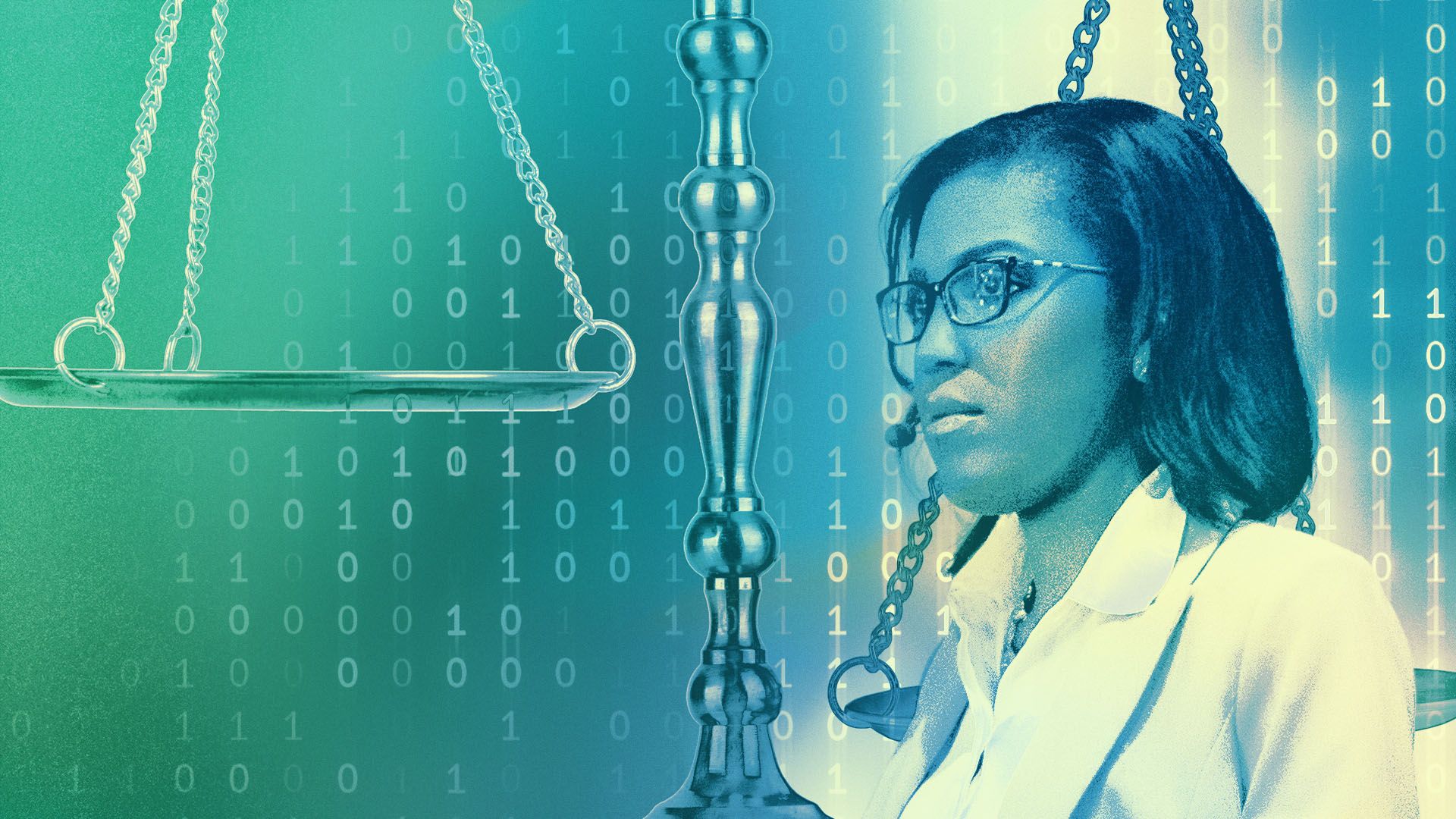
Deepfake of North Carolina Lawmaker Featured in Award-Winning Whirlpool Video Sparks Debate
A recent advertisement by Whirlpool featuring a deepfake of a North Carolina lawmaker has attracted widespread attention, winning awards for its innovative use of artificial intelligence while simultaneously sparking ethical and political debate. The video, which digitally reconstructs a North Carolina legislator’s likeness and voice to deliver a persuasive message, highlights both the creative potential and the risks associated with deepfake technology in media and advertising.
Background and Overview
The deepfake video was produced by a Brazilian ad agency for Whirlpool and premiered in late 2025. It digitally altered a North Carolina lawmaker’s TED Talk footage, generating a realistic but entirely synthetic version of the politician delivering a message aligned with Whirlpool’s campaign themes. According to sources, the video blends the lawmaker’s likeness with AI-generated speech and expressions, resulting in a seamless but entirely fabricated performance.
This campaign won industry recognition for its technical execution and bold approach to storytelling, demonstrating the growing influence of AI-driven media manipulation in advertising. The ad was released ahead of Cyber Monday 2025, capitalizing on the heightened consumer attention during the holiday shopping season.
Technology Behind the Deepfake
Deepfakes use generative adversarial networks (GANs) and advanced machine learning models to create hyper-realistic videos or audio that mimic real people. In this case, the agency used extensive data from publicly available speeches and appearances of the lawmaker to train the AI model, which then synthesized his facial movements and speech patterns to produce the new content.
The technique involved:
- Capturing high-resolution video and audio samples of the lawmaker.
- Training neural networks to replicate his expressions and voice.
- Editing the synthetic footage into a coherent narrative aligned with Whirlpool’s messaging.
The result is a video indistinguishable from genuine footage without expert analysis, showcasing the sophistication of current deepfake technology.
Industry Impact and Ethical Concerns
The use of deepfakes in advertising marks a new frontier for marketers, offering unprecedented creative freedom to craft compelling narratives. However, it also raises serious ethical questions about consent, misinformation, and the potential for manipulation.
Positive Industry Effects:
- Innovative storytelling: Brands can create unique, attention-grabbing content that resonates emotionally.
- Cost efficiency: Deepfakes reduce the need for physical shoots with talent, saving production costs.
- Creative flexibility: Advertisers can repurpose public figures for messages they may never have actually endorsed.
Ethical and Political Challenges:
- Consent and rights: The lawmaker whose image was deepfaked reportedly did not authorize the use of his likeness, raising legal and moral questions.
- Misinformation risks: Such videos can blur the lines between reality and fiction, potentially misleading audiences.
- Political sensitivity: Using political figures in synthetic videos could influence public opinion or political discourse unfairly.
Reactions among North Carolina Republicans and other political groups have been mixed, with some expressing concern about the implications for democratic processes and trust in public information.
Context and Broader Implications
This incident comes amid a surge in AI-generated content across industries, from entertainment to politics. Deepfakes have previously been used for satire, education, and film CGI, but their entry into commercial advertising at this scale represents a significant escalation.
Experts warn that as deepfakes become easier to create and harder to detect, regulatory frameworks and industry standards will be essential to prevent misuse. Some advocate for mandatory disclosures when deepfakes are used, while others call for stronger legal protections around image rights.
Moreover, the Whirlpool campaign exemplifies how global advertising agencies are pioneering AI tools, particularly in Latin America, where this campaign originated. This trend is accelerating innovation but also complicating the media landscape with ethical dilemmas.
Visuals and Public Reception
Images directly related to this topic include:
- Screenshots of the deepfake video showing the North Carolina lawmaker’s digitally recreated face during the Whirlpool ad.
- Official Whirlpool campaign visuals and logos.
- Photos of the North Carolina lawmaker involved.
- Infographics explaining how deepfake technology works.
Public reception has been polarized. While some applaud the creativity and technical prowess, others view it as a dangerous precedent for manipulating political figures and public trust.
Conclusion
The Whirlpool deepfake advertisement using a North Carolina lawmaker’s image is a landmark example of AI’s transformative power in advertising, blending cutting-edge technology with complex ethical challenges. It underscores the need for ongoing dialogue among marketers, technologists, lawmakers, and the public to balance innovation with responsibility in the age of synthetic media.
Tags
Sources
Enjoyed this article?
Get the top AI stories delivered to your inbox every week. No spam, just the news that matters.
Join our weekly newsletter. Unsubscribe anytime.