
Why Human Typing Speed Could Limit the Path to Artificial General Intelligence
An OpenAI executive has raised a provocative claim: human typing speed may represent a fundamental bottleneck in achieving AGI. As AI systems grow more capable, the speed at which humans can interact with them through traditional input methods could become a critical constraint on progress.
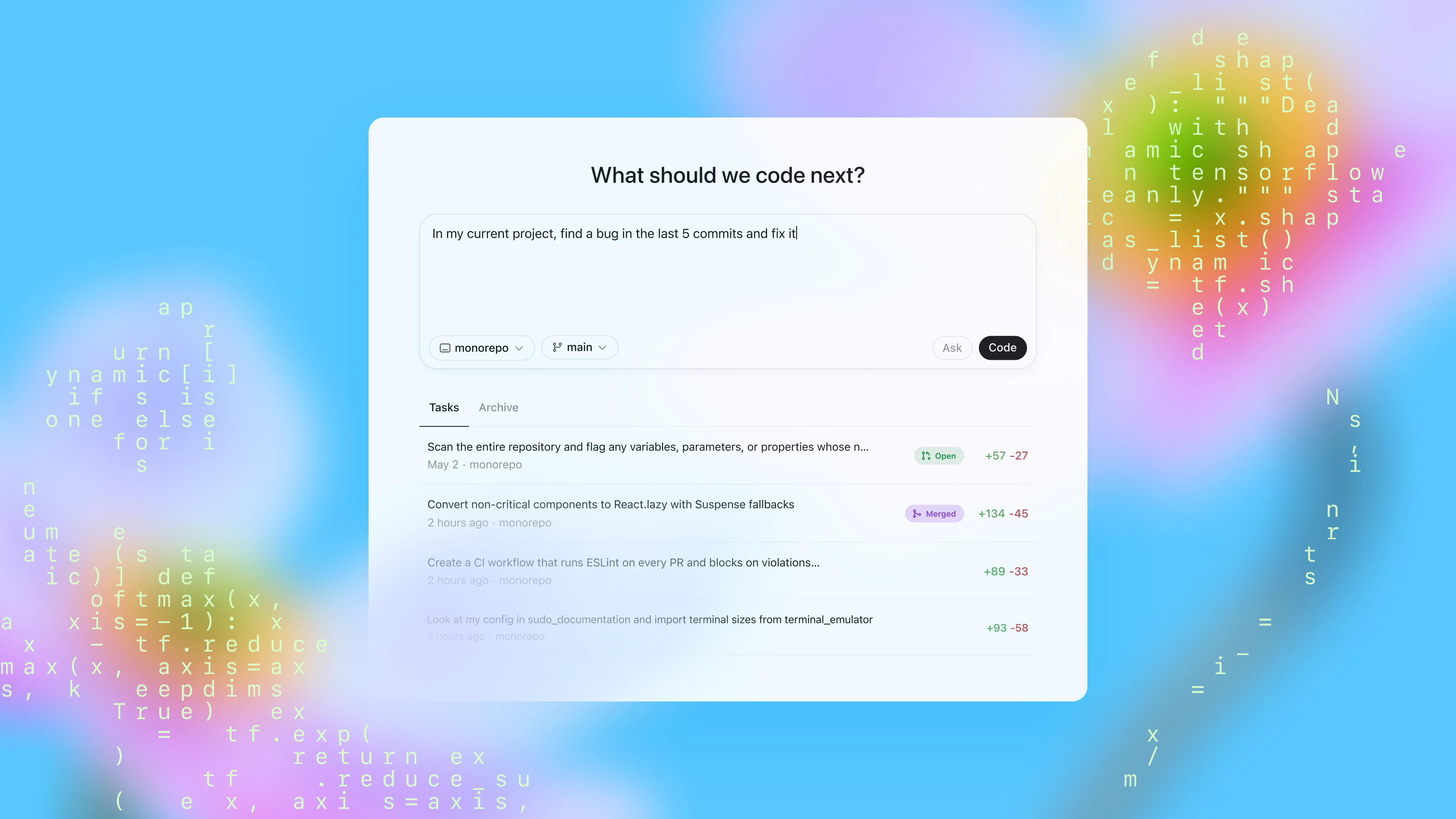
The Typing Speed Bottleneck
An OpenAI executive has surfaced a counterintuitive argument about the path toward Artificial General Intelligence: human typing speed may be a limiting factor. As AI systems become increasingly sophisticated and capable of processing information at machine speeds, the traditional interface between human operators and these systems—the keyboard—could become a critical constraint on how quickly we can iterate, test, and refine AI capabilities.
This observation challenges conventional thinking about AGI bottlenecks. Typically, discussions focus on computational power, algorithmic breakthroughs, or data availability. Yet the claim highlights an often-overlooked friction point: the human-machine interface itself.
Understanding the Constraint
The argument rests on a practical reality. Modern AI systems can process queries, generate responses, and execute tasks in milliseconds. A human typing at an average speed of 40-60 words per minute introduces a significant lag in the feedback loop. For researchers and developers working on AI systems, this delay compounds across thousands of interactions daily.
Consider the workflow of an AI researcher:
- Formulating a prompt takes seconds to minutes
- Typing the prompt introduces additional latency
- Waiting for processing (typically fast)
- Reading and analyzing output takes variable time
- Typing follow-up queries repeats the cycle
When multiplied across research teams and development cycles, these small delays accumulate into substantial time costs.
Implications for AGI Development
If this bottleneck thesis holds merit, it suggests several downstream effects:
Accelerated Iteration Cycles: Faster input methods could enable researchers to test hypotheses more rapidly, potentially accelerating the discovery of novel AI architectures or training approaches.
Real-Time Collaboration: Brain-computer interfaces or advanced voice input systems could enable more seamless human-AI collaboration, allowing researchers to guide AI systems through complex problem-solving in real time.
Scaling Research Efficiency: As AI systems become more capable, the human operators guiding them become the limiting factor. Removing input constraints could unlock research productivity gains.
Alternative Input Methods on the Horizon
The tech industry is already exploring solutions:
- Voice interfaces with natural language processing could replace typed input
- Brain-computer interfaces remain speculative but represent a theoretical frontier
- Multimodal inputs combining gesture, voice, and text could provide faster communication
- API-based automation allows systems to interact with AI without human typing, though this shifts the bottleneck elsewhere
The Broader Context
This observation emerges as OpenAI and other AI labs push toward increasingly capable systems. The company's work on models like GPT-4 and specialized tools like Codex demonstrates the growing sophistication of AI-human interaction. Yet even as the AI side of the equation accelerates, the human side remains constrained by biological limitations.
The typing speed argument also reflects a deeper philosophical point: achieving AGI may require not just better algorithms, but better interfaces between human intelligence and artificial intelligence. The bottleneck may not be purely technical or computational—it may be fundamentally about how humans and machines communicate.
Key Takeaways
The claim that typing speed limits AGI progress is speculative but worth taking seriously. It redirects focus from purely computational concerns toward the practical realities of AI development workflows. Whether this bottleneck proves decisive remains uncertain, but it underscores an important truth: the path to AGI involves not just building smarter machines, but creating better channels for human-machine collaboration.
As AI capabilities continue to advance, the interface question will likely become increasingly central to research productivity and development speed.
Tags
Enjoyed this article?
Get the top AI stories delivered to your inbox every week. No spam, just the news that matters.
Join our weekly newsletter. Unsubscribe anytime.