


Jan 16, 12:00 PM
Elon Musk Seeks $134 Billion from OpenAI, Microsoft in Lawsuit
Elon Musk demands up to $134 billion from OpenAI and Microsoft, alleging they defrauded him by shifting OpenAI's mission from nonprofit to for-profit.
Elon Musk demands up to $134 billion from OpenAI and Microsoft, alleging they defrauded him by shifting OpenAI's mission from nonprofit to for-profit.

SaaS startup funding surged 76% in 2025, with artificial intelligence technologies emerging as the primary catalyst. This explosive growth reflects a fundamental shift in venture capital priorities toward AI-driven solutions.

Robinhood's CEO argues AI will transform the workforce through entrepreneurial opportunity rather than displacement, challenging the prevailing narrative of job destruction in the age of artificial intelligence.

Three of tech's most valuable private companies are eyeing public markets in 2026, potentially reshaping the investment landscape with combined valuations approaching $1.6 trillion.

Replit now enables developers to build iPhone applications using natural language commands, dramatically lowering barriers to iOS app creation. The platform's new "vibe coding" feature lets users create production-ready apps in minutes without traditional coding knowledge.

Anthropic's launch of Claude for Healthcare has sparked a market reaction, with software stocks declining as the AI race intensifies. The move mirrors OpenAI's recent health AI announcements, signaling a new battleground for enterprise AI dominance.

DeepMind's leadership maintains constant coordination with Google's top executive to monitor OpenAI's competitive moves, signaling intensified focus on the AI race.
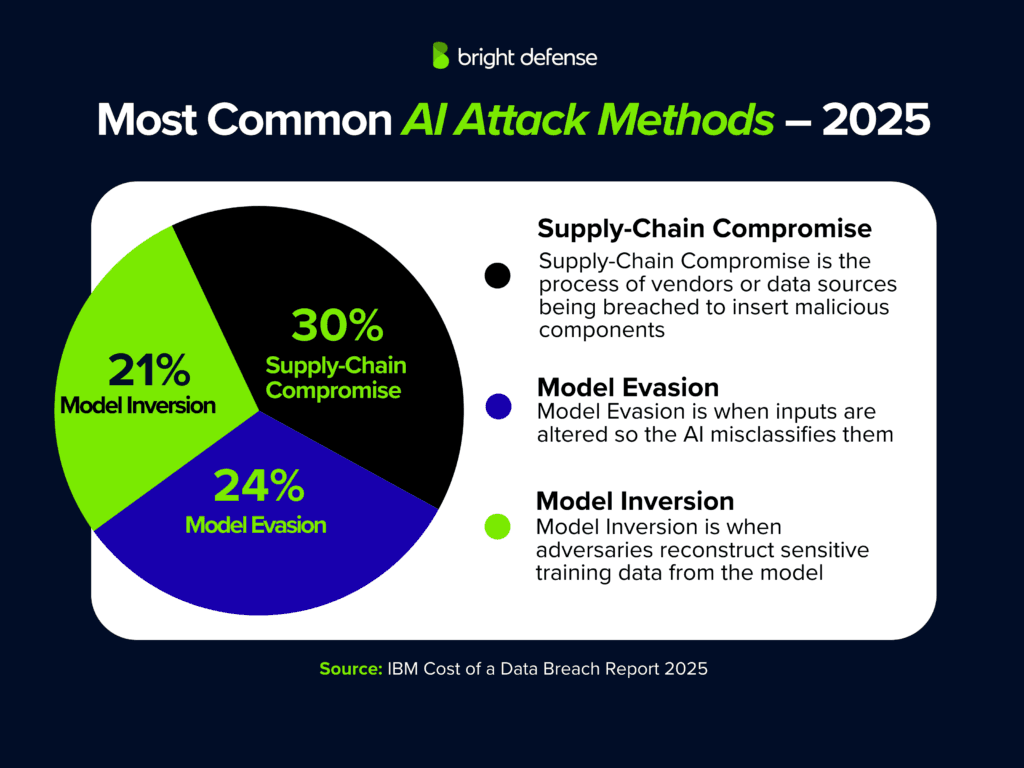
A new study reveals that ChatGPT is responsible for 71% of corporate data breaches, exposing critical vulnerabilities in how enterprises deploy generative AI tools without proper security safeguards.

Kilo Code has entered the competitive AI coding space with a new Slack integration that lets developers deploy code directly from chat. The move challenges established players like Cursor and Claude Code in the race to embed AI into developer workflows.
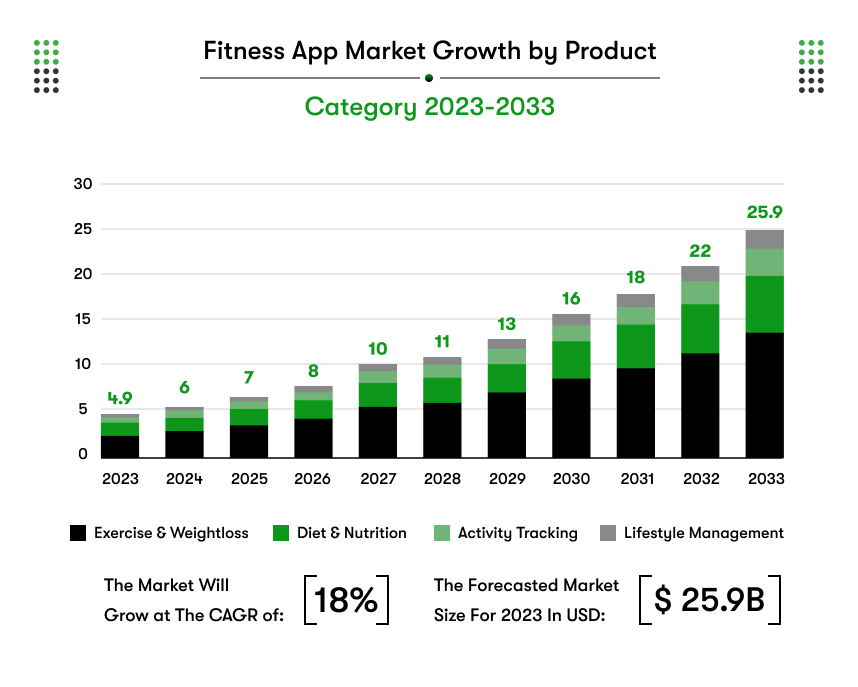
The AI personal trainer market is experiencing explosive growth, with projections showing a threefold expansion by 2032. This surge reflects broader shifts in sports technology and digital fitness adoption across consumer and enterprise segments.
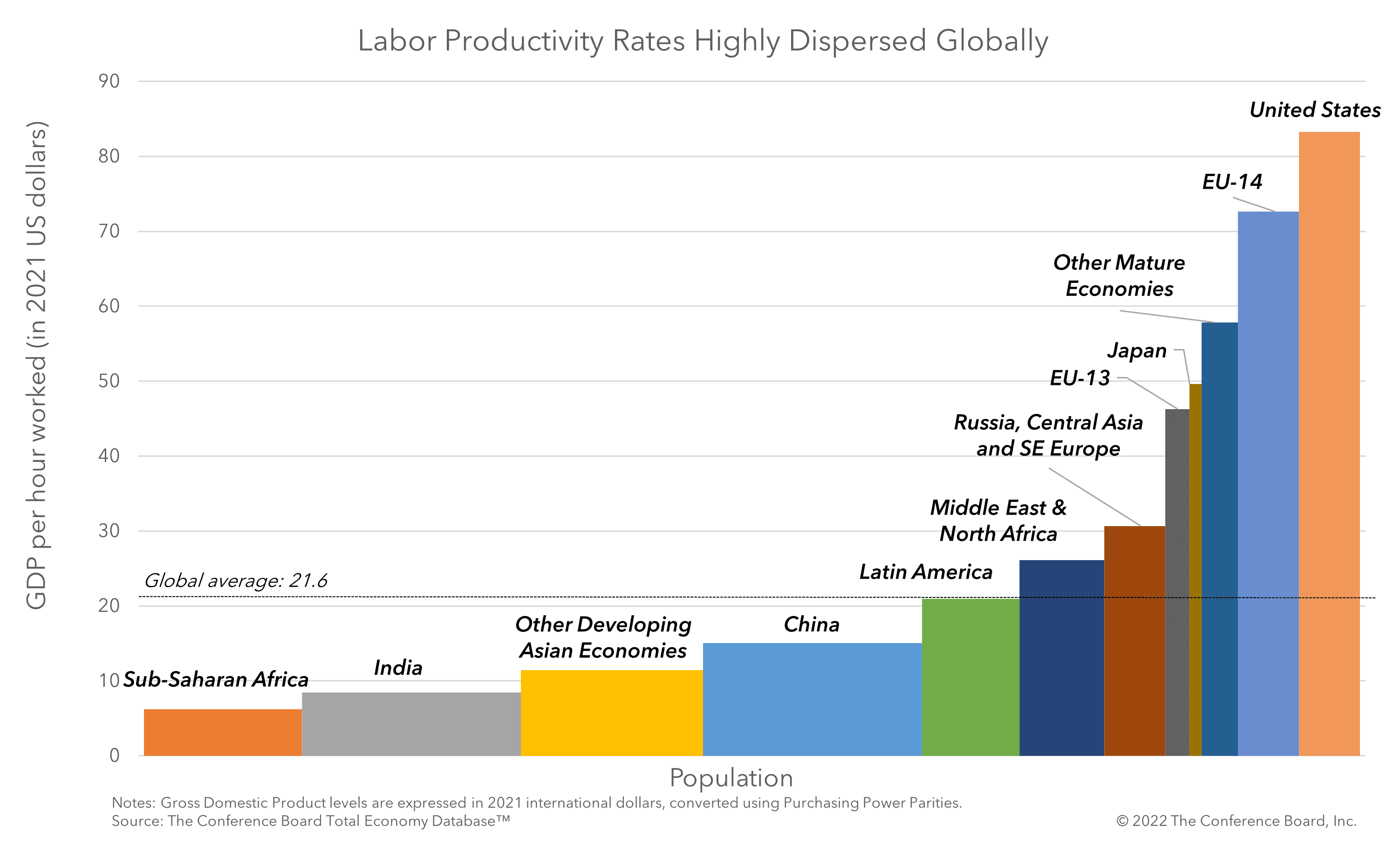
A WEF survey reveals the US economy is positioned to capture significant AI-driven productivity gains within 12 months, even as global economic conditions weaken. But near-term gains mask longer-term employment risks and implementation challenges.
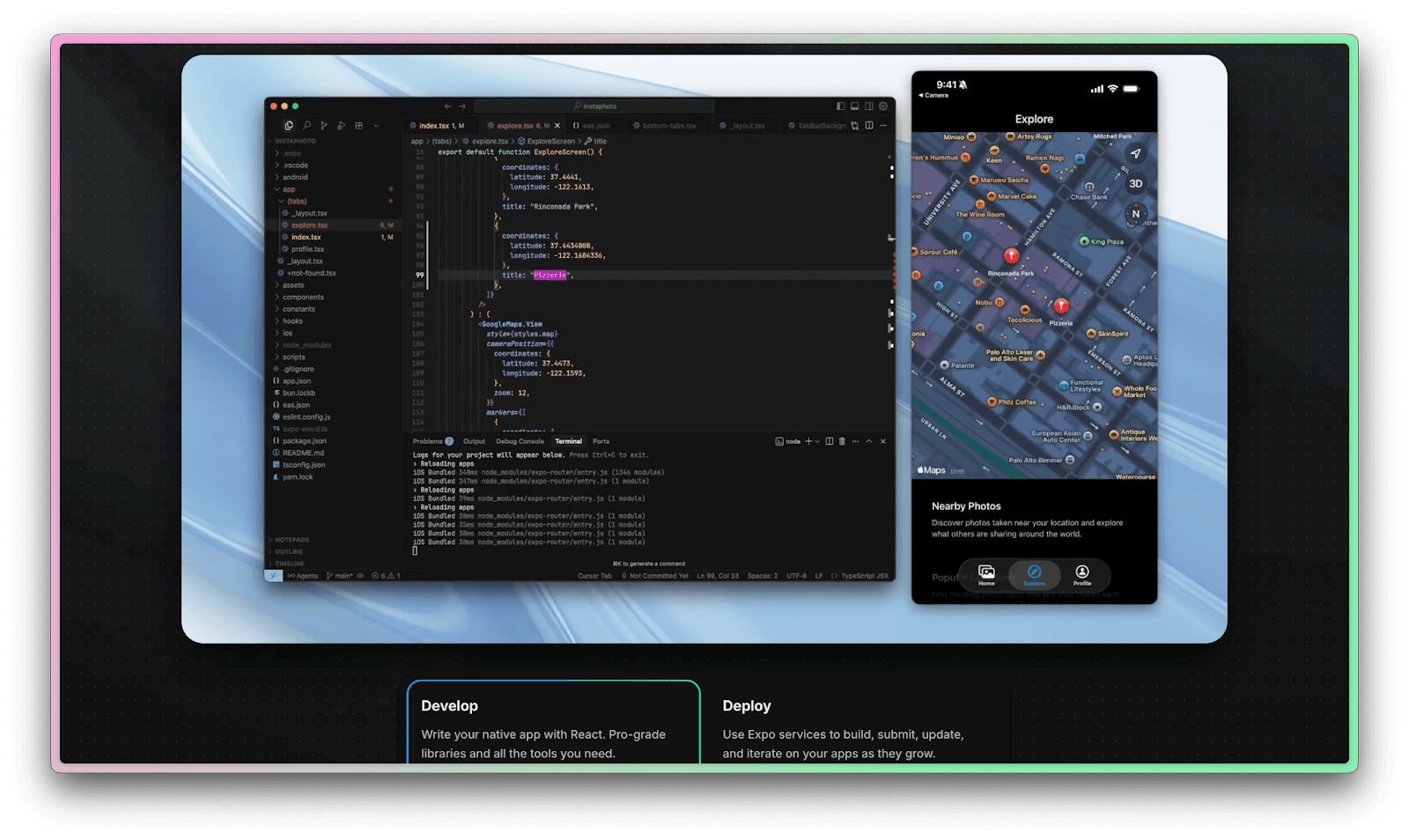
Jim VandeHei reveals how Anthropic's Claude is driving a fundamental shift in how developers build software, moving beyond traditional coding toward intuitive, AI-guided development.