Brands Plan Anti-AI Marketing Strategies for 2026
Brands plan to counter AI in 2026 by emphasizing human creativity and trust, driven by consumer fatigue and regulatory pressures.
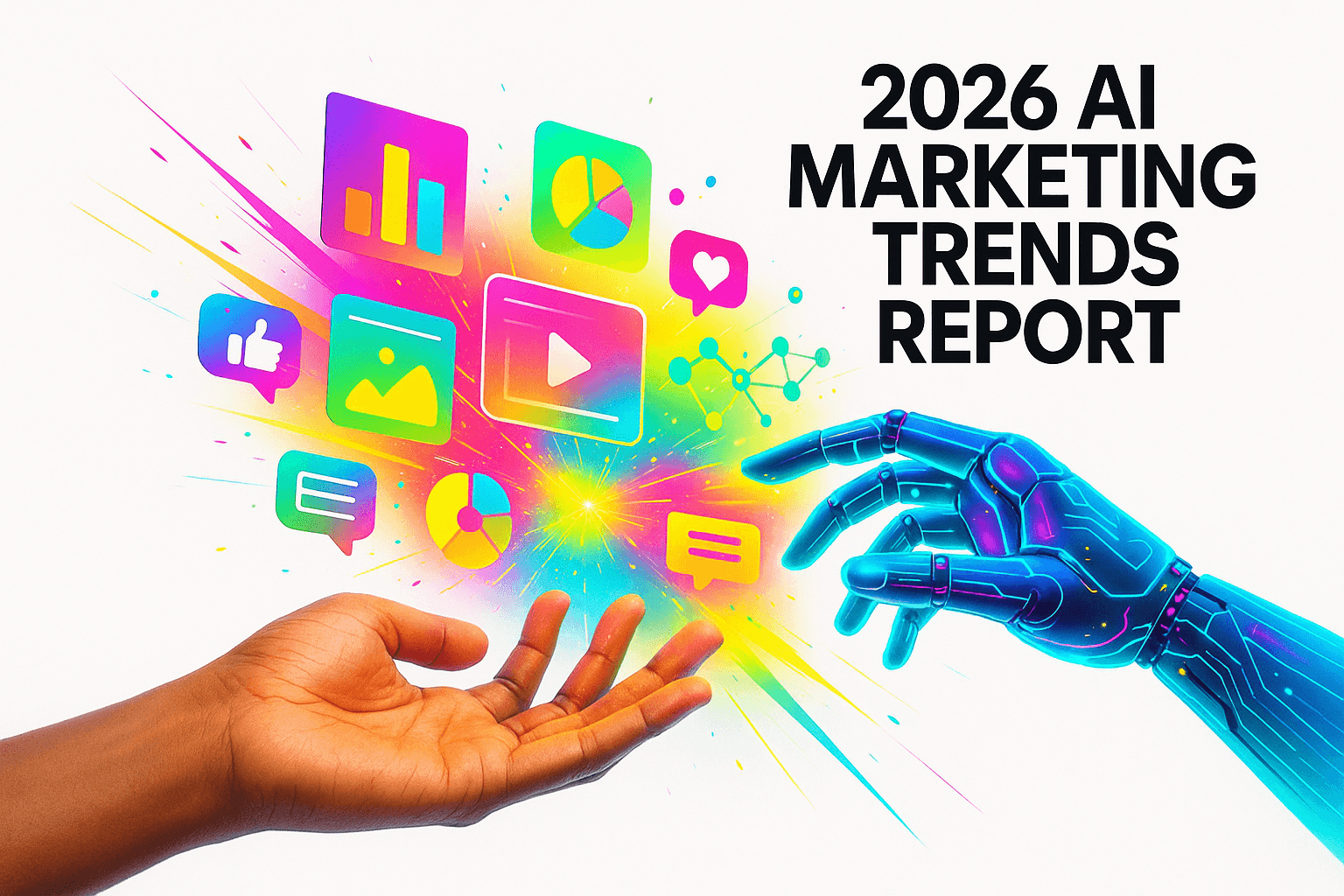
Background: What "Anti-AI Marketing" Means and Why It’s Rising
Anti-AI marketing refers to strategies that reject generic AI-generated content, promoting human authorship, craftsmanship, provenance, safety, or privacy as core brand values. This approach is gaining traction due to:
- Consumer fatigue with homogeneous AI content and a renewed appetite for authentic human voices.
- The rise of AI agents and "buyer bots" that could route purchases through third-party AI, forcing marketers to rethink brand experience control.
- Regulatory attention: As regulators tighten rules around disclosure, deepfakes, and data use, brands may adopt anti-AI stances to signal higher compliance and safety standards.
Key Features of Anti-AI Marketing Strategies
- Emphasizing human authorship and provenance: Highlighting creators’ names, behind-the-scenes storytelling, and artisanal processes.
- Investing in brand-owned research and proprietary data: Publishing original studies or proprietary product testing.
- Building community and direct channels: Prioritizing forums, podcasts, and community platforms.
- Designing "valuable friction": Including human touches or curated experiences that increase perceived value and trust.
- Creating brand agents and integration playbooks: Controlling how third-party AIs present and transact with their products.
Industry Signals and Expert Perspectives
Content marketers and CMOs suggest that 2026 will be pivotal as AI becomes an orchestration layer, saturating the market with low-quality outputs. Brands focusing on quality and human connection may stand out. Experts predict that autonomous purchasing via AI interfaces will accelerate, motivating brands to either partner with platforms or emphasize privacy and human-first experiences.
Implications for Brands and Consumers
- For brands: Anti-AI positioning requires investment in human talent, original content, and brand-controlled distribution.
- For consumers: The movement may create clearer signals about provenance and trust but could lead to fragmented experiences.
- For platforms and partners: Expect demand for provenance verification and author attribution tools.
Context and Outlook
The anti-AI marketing trend suggests hybrid approaches where AI is used internally for efficiency while marketing messages foreground human expertise. The coming year will test which approaches win audience attention as AI becomes more embedded in search, commerce, and content distribution.
Visuals
- Official brand campaign photos emphasizing "human-crafted" production.
- Portraits of marketing leaders and CMOs.
- Infographics on AI buyer bots and content saturation.
- Screenshots of community platforms and long-form brand reports.
Final Note
Brands should treat 2026 as a year to test both defensive and constructive strategies: protecting brand discovery and trust against AI intermediaries and building distinct human narratives that AI cannot replicate.
Sources: Industry trend reporting and expert commentary on content marketing and AI trends for 2026.
Tags
Enjoyed this article?
Get the top AI stories delivered to your inbox every week. No spam, just the news that matters.
Join our weekly newsletter. Unsubscribe anytime.