
OpenAI Introduces FrontierScience to Evaluate AI in Research
OpenAI launches FrontierScience to evaluate AI in scientific research across physics, chemistry, and biology, aiming to enhance collaboration in labs.
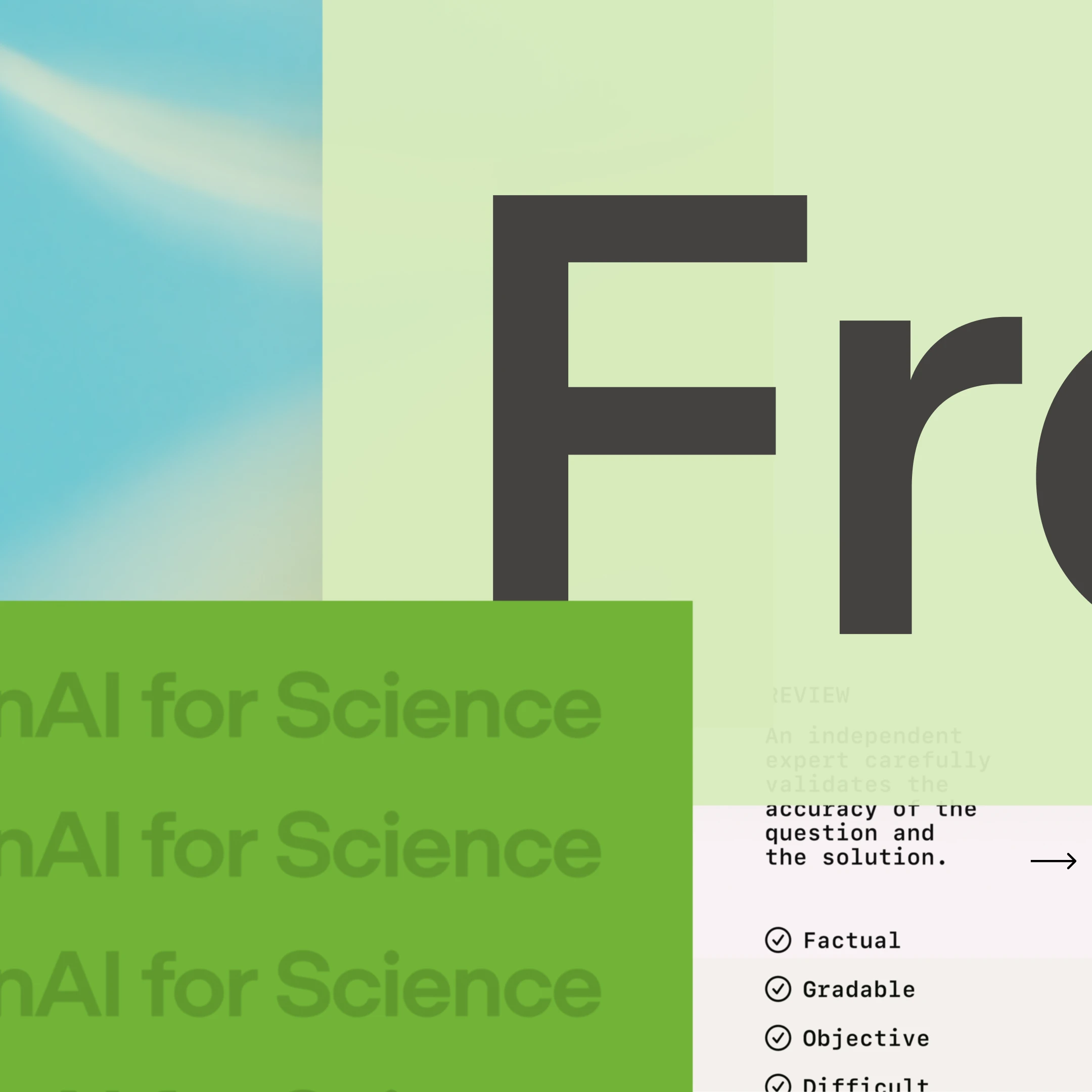
OpenAI Introduces FrontierScience to Evaluate AI in Research
OpenAI has launched a new initiative called FrontierScience to assess the capabilities of advanced AI systems in performing expert-level scientific research tasks across the domains of physics, chemistry, and biology. This initiative positions AI models as collaborators in laboratory and theoretical work, rather than mere question-answering tools.
Background
OpenAI's focus on using large models as research instruments is part of its "OpenAI for Science" program. This program aims to accelerate discovery by combining foundation models with tools and domain partnerships. Early collaborations include GPT-5 assisting in mathematical proof development and customized GPT-4 variants supporting protein-variant design.
What FrontierScience Evaluates
- Scope: FrontierScience covers three major scientific domains — physics, chemistry, and biology — with tasks requiring multi-step reasoning, experimental planning, and evidence evaluation.
- Task Design: The benchmark includes problems that mimic expert research workflows, such as hypothesis formulation, experimental design, and interpretation of noisy data.
- Goal: The goal is to assess AI's ability to contribute to real research, suggesting experimental routes or novel hypotheses, while identifying limitations in reliability and reasoning.
Key Findings and Claims
OpenAI reports that modern models are beginning to show capabilities in scientific reasoning tasks, though full scientific autonomy remains out of reach. Models have accelerated sub-tasks like literature triage and idea generation, but require careful human supervision.
Technical and Practical Implications
- Research Acceleration: Models could shorten research cycles by automating steps like literature review and simulation parameter sweeps.
- Risk and Reliability: Known failure modes include overconfidence and incorrect explanations, necessitating validation by domain experts.
- Tooling Integration: FrontierScience supports integrating models with scientific tools, suggesting models will augment rather than replace researchers.
Industry and Community Reactions
The scientific community is likely to emphasize verification and reproducibility. Independent benchmarks and peer review will be crucial to corroborate claims about model capabilities.
Context in AI-for-Science Trends
FrontierScience aligns with a trend where AI providers build domain-specific evaluations for tasks important to experts. The interplay of larger models with domain tools has been central to recent progress, though concerns about reproducibility and dataset biases remain.
Implications and Next Steps
FrontierScience aims to move AI evaluation closer to real scientific workflows. Key outcomes include:
- External Validation: Independent researchers running the benchmark and publishing results.
- Tooling Maturity: Better integration between models and scientific instruments with human-in-the-loop safeguards.
- Governance: Mechanisms to certify model outputs for safety and reliability.
OpenAI frames FrontierScience as a milestone in understanding where models can safely augment science and where human expertise is essential.
Tags
Enjoyed this article?
Get the top AI stories delivered to your inbox every week. No spam, just the news that matters.
Join our weekly newsletter. Unsubscribe anytime.