CES 2026: Nvidia, AMD, and Intel Battle for AI Chip Dominance
The chip wars intensify at CES 2026 as Nvidia, AMD, and Intel deliver competing visions for AI acceleration. From Nvidia's GPU leadership to Intel's Panther Lake push, here's what the keynotes revealed about the future of AI computing.
The AI Chip Wars Heat Up at CES 2026
The competitive landscape for AI acceleration just shifted dramatically. Nvidia, AMD, and Intel are converging on Las Vegas this week with competing keynotes that underscore a fundamental truth: whoever owns the AI chip market owns the next decade of computing. The stakes are higher than ever, with enterprise customers, cloud providers, and data center operators watching closely to see which architecture will dominate the next generation of workloads.
Nvidia's Continued GPU Dominance
According to live coverage from Tom's Hardware, Nvidia's keynote presentation emphasized the company's entrenched position in AI acceleration. The GPU giant continues to refine its CUDA ecosystem and data center offerings, leveraging years of software optimization that competitors struggle to replicate.
Key takeaways from Nvidia's presentation:
- Focus on expanding AI inference capabilities
- Enhanced software stack for enterprise deployments
- Continued investment in edge AI and automotive applications
Intel's Panther Lake Counter-Offensive
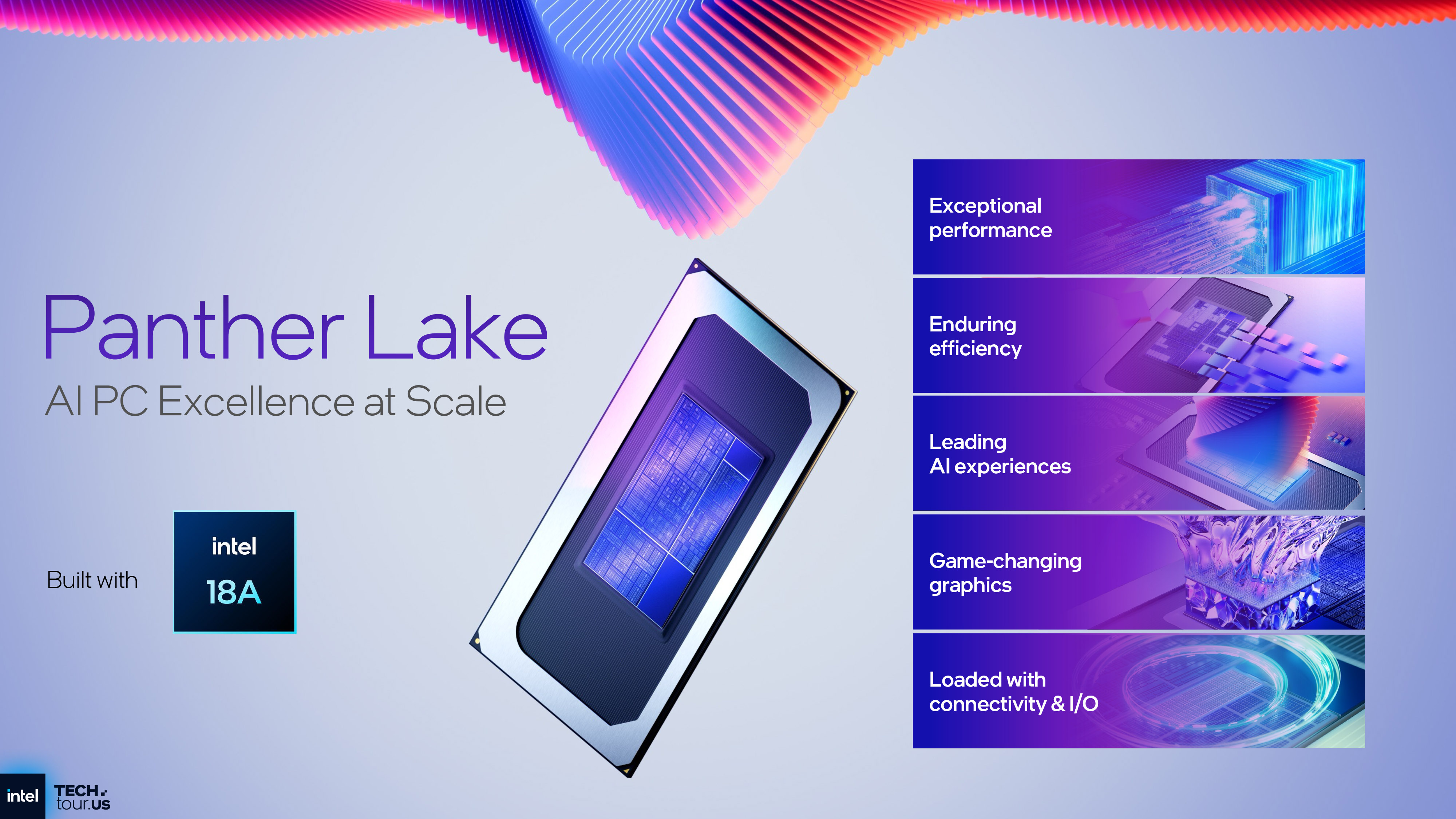
Intel is mounting a serious challenge with its Panther Lake architecture. According to Serve the Home's live coverage, the company unveiled the Core Ultra Series 3 processors with significant performance improvements targeting both data center and consumer segments.
The Panther Lake strategy represents Intel's attempt to recapture market share through:
- Performance gains: Claims of substantial improvements in AI workload execution
- Efficiency focus: Lower power consumption compared to previous generations
- Gaming optimization: Positioning processors for both professional and consumer markets
Intel's messaging centers on practical performance—the company is emphasizing real-world benchmarks and energy efficiency rather than raw theoretical performance.
AMD's Competitive Positioning
While AMD's keynote details remain central to the CES narrative, the company continues to position itself as the pragmatic alternative. AMD's EPYC processors have gained traction in data centers where customers seek alternatives to Nvidia's GPU dominance, and the company is expected to announce further advances in AI-specific instruction sets and architecture optimizations.
Market Implications
The convergence of these three keynotes at CES 2026 signals a maturing AI chip market. Rather than a winner-take-all scenario, the industry is fragmenting into specialized niches:
- Nvidia: Remains dominant in GPU-accelerated training and inference
- Intel: Targeting CPU-based AI workloads and integrated solutions
- AMD: Positioning as the cost-effective alternative with competitive performance
Enterprise customers now have genuine choices, which should drive innovation and potentially moderate pricing pressure that has characterized the AI boom.
What's at Stake
The keynotes reveal more than product announcements—they expose the strategic priorities of each company. Nvidia is defending its moat through software ecosystem lock-in. Intel is betting on architectural efficiency and x86 integration. AMD is pursuing market share through competitive pricing and performance-per-watt metrics.
For data center operators and cloud providers, these competing visions mean more options and potentially better economics. For the broader AI industry, the competition should accelerate innovation in chip design, software optimization, and specialized accelerators for specific workloads.
The CES 2026 keynotes confirm what industry observers have suspected: the AI chip market is transitioning from a gold rush to a competitive marketplace where technical merit, software support, and total cost of ownership will determine winners and losers.
Tags
Enjoyed this article?
Get the top AI stories delivered to your inbox every week. No spam, just the news that matters.
Join our weekly newsletter. Unsubscribe anytime.