
Nvidia's Robotics AI Push Signals Shift in Hardware Strategy at CES 2026
Nvidia unveiled a comprehensive robotics AI platform at CES 2026, introducing new models and the Vera Rubin superchip architecture. The move positions the chipmaker to compete directly in the emerging robotics market while expanding beyond traditional data center dominance.
The Robotics Race Heats Up
The competition for AI-powered robotics supremacy just shifted into high gear. Nvidia's CES 2026 presentation revealed a strategic pivot toward robotics-specific hardware and software, signaling that the chipmaker sees autonomous machines as the next frontier beyond generative AI. This isn't merely an incremental update—it's a deliberate architectural redesign aimed at capturing the robotics market before competitors solidify their positions.
New Hardware Architecture: The Vera Rubin Platform
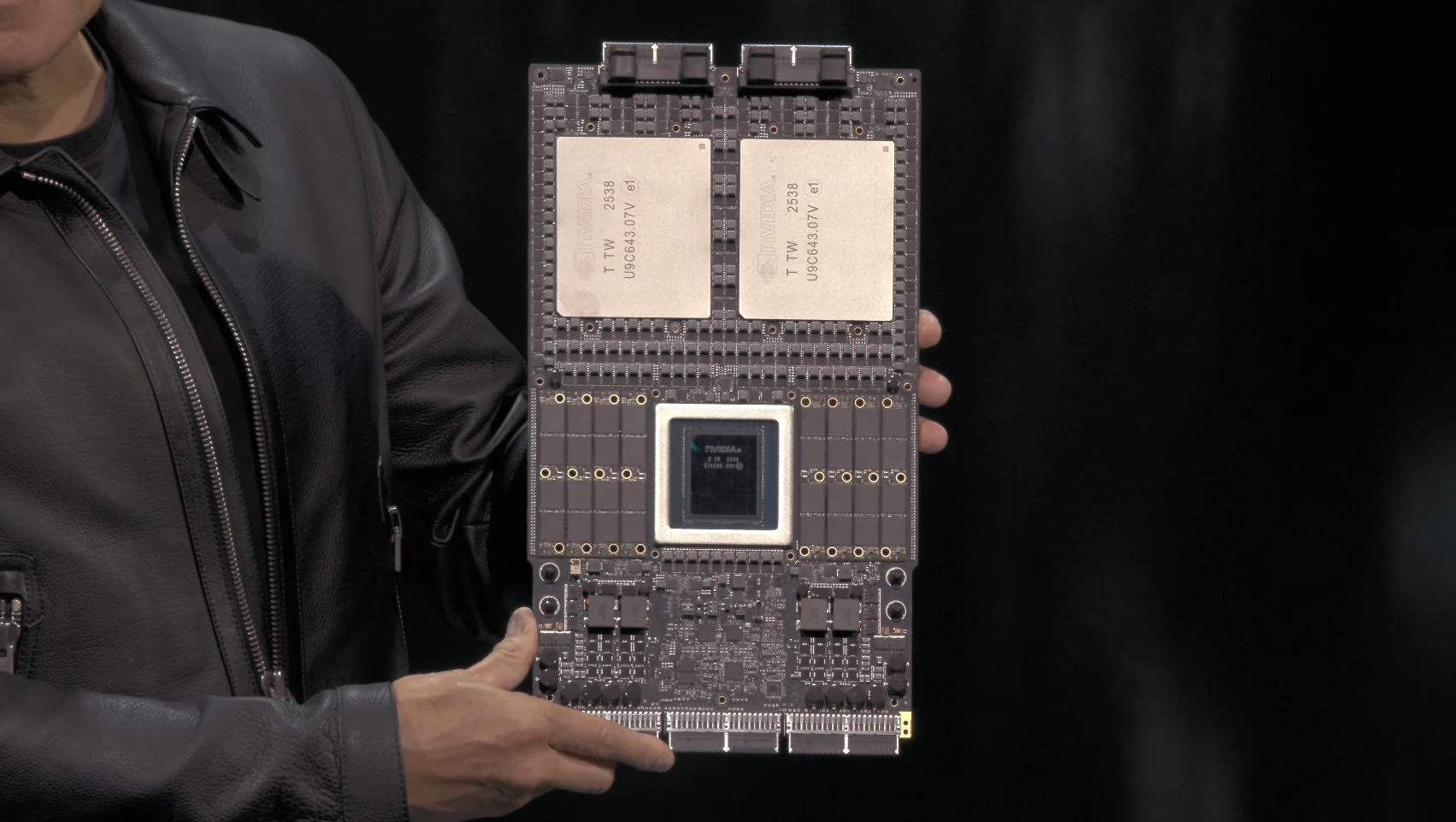
At the heart of Nvidia's announcement lies the Vera Rubin superchip, a six-trillion transistor processor engineered specifically for robotics workloads. According to Nvidia's technical breakdown, the platform comprises six distinct chips optimized for different robotics tasks—from perception and planning to real-time control.
The architecture addresses a critical gap in current AI infrastructure: existing data center chips weren't designed for the latency-sensitive, power-constrained environments where robots operate. The Vera Rubin platform changes this equation by:
- Reducing inference latency for real-time decision-making in dynamic environments
- Optimizing power efficiency for edge deployment on robotic platforms
- Enabling multi-modal processing of vision, audio, and sensor data simultaneously
- Supporting deterministic computing for safety-critical applications
AI Models Tailored for Robotics
Beyond hardware, Nvidia released open-source models and tools designed specifically for robotics development. These models address the unique challenges of training robots to perform complex manipulation tasks, navigation, and human-robot interaction.
The open-source approach is strategically significant. By releasing foundational models and development tools, Nvidia lowers barriers to entry for robotics startups and research institutions—while simultaneously locking them into the Nvidia ecosystem for inference and deployment.
Market Implications
The timing of this announcement matters. The robotics market remains fragmented, with no dominant player yet controlling the AI infrastructure layer. Nvidia's CES keynote positioned the company as the infrastructure provider for this emerging category, much as it did for generative AI.
However, questions remain about adoption velocity. Robotics deployments move slower than cloud AI adoption—factories require extensive validation before deploying new hardware. Nvidia's success will depend on whether the Vera Rubin platform delivers measurable improvements in robot performance and cost-effectiveness.
Technical Differentiation
The six-chip Vera Rubin architecture represents a departure from Nvidia's traditional monolithic GPU design. Specialized chips for different robotics functions suggest the company has learned that one-size-fits-all processors struggle with robotics' diverse computational demands.
This modular approach also signals flexibility—manufacturers can select which Vera Rubin chips to integrate based on their specific robotic applications, from warehouse automation to surgical robotics.
What's Next
Nvidia's robotics push will face scrutiny on two fronts: whether the hardware delivers promised performance gains, and whether the open-source models actually accelerate development timelines for robotics companies. Early adopters will be critical—successful deployments in high-value applications like manufacturing and logistics could validate the platform's approach.
The robotics market remains nascent, but Nvidia's CES announcement makes clear the company isn't waiting for the category to mature. By releasing hardware, software, and models simultaneously, Nvidia is attempting to shape the robotics AI infrastructure layer before competitors establish alternatives.
Tags
Enjoyed this article?
Get the top AI stories delivered to your inbox every week. No spam, just the news that matters.
Join our weekly newsletter. Unsubscribe anytime.